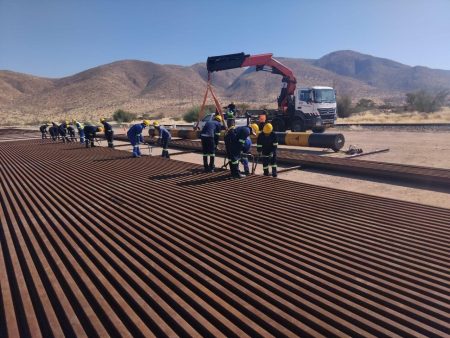
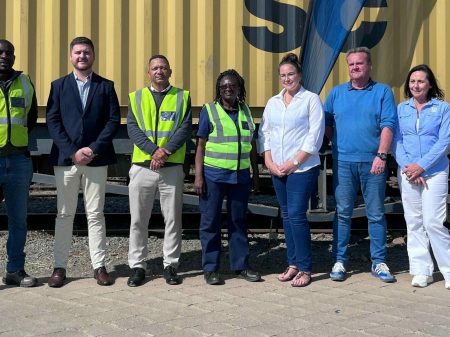
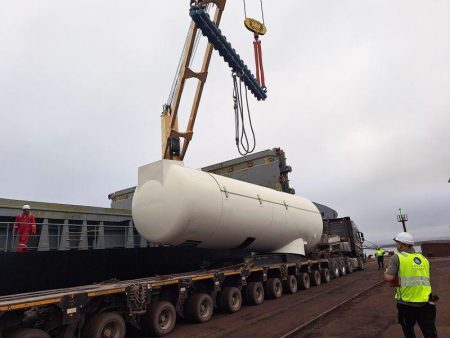
For the Southern African rail and bulk freight sector, Namport’s expectations highlight the potential relationship between proposed railway investment in South Africa’s Northern Cape and cargo movements through Namibia’s Port of Lüderitz. The planned 550 km railway linking Boegoebaai to the Northern Cape mining belt and Namakwa Special Economic Zone is among the developments Namport believes will complement Namibia’s existing port operations. With Lüderitz already handling dry bulk exports from the Northern Cape, mainly manganese, the authority expects improved rail connections to lower freight costs and attract additional cargo once the projects are completed.
Namport’s port expansion programme is also being phased around anticipated infrastructure requirements from offshore oil and gas operators. Planned berth developments at Walvis Bay South Port, together with proposed private-sector supply bases at Walvis Bay and Lüderitz, are at different stages of procurement and development. The tender for the Lüderitz supply base closed on 26 October, while construction at Walvis Bay South Port is scheduled to begin in early 2027. Namport maintains that these developments and the proposed Boegoebaai port would complement regional trade activity rather than undermine its oil and gas business.
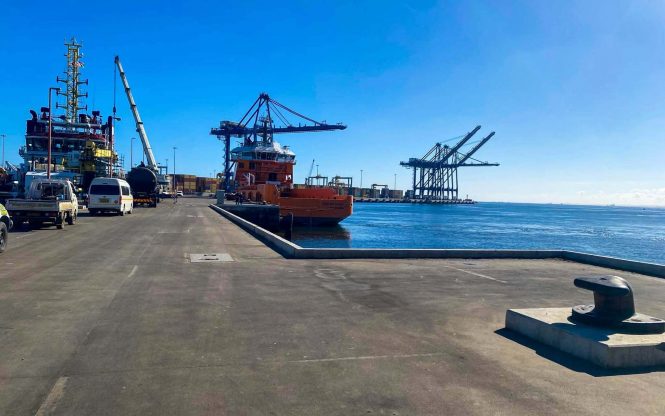
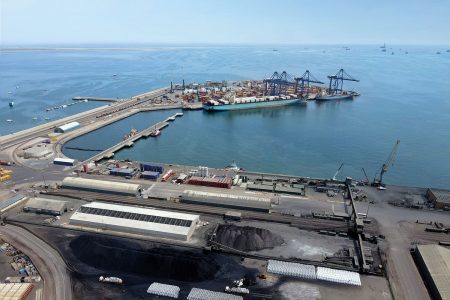
The Namibian Ports Authority (Namport) expects rail investment linking South Africa’s Northern Cape mining region to lower freight costs through the Port of Lüderitz and attract additional cargo volumes once the projects are completed.
Lüderitz already handles significant dry bulk exports from the Northern Cape, mainly manganese, and Namport believes improved rail connections will strengthen the port’s role in regional trade.
Namport said the proposed rail and port developments in South Africa, including the planned deep-water port at Boegoebaai and a 550 km railway linking the port to the Northern Cape mining belt and the Namakwa Special Economic Zone, would complement rather than compete with Namibia’s ports.
Better rail connections into the Northern Cape strengthen the region’s logistics network, and Lüderitz stands to benefit, the company said.
Namport is expanding both Walvis Bay and Lüderitz to accommodate anticipated demand from the oil and gas industry, with projects being phased according to timelines provided by oil and gas operators.
The expansion programme includes short, medium and long-term projects aimed at providing capacity for offshore supply vessels, equipment storage and logistics bases.
At Walvis Bay South Port, Namport is developing new berths and modifying existing facilities to support the development of the Venus oil field. The Venus oil field is a giant deepwater offshore discovery located in the Orange Basin, approximately 320 kilometres off the southern coast of Namibia.
The tender process for the work has closed, with bid evaluation and contract awards expected to follow soon. Construction is scheduled to start in early 2027.
In the medium term, Namport plans to establish two dedicated oil and gas supply bases, one at Walvis Bay and the other at Lüderitz.
Both are greenfield developments to be undertaken by the private sector. The projects are currently at the tender or concession-negotiation stage.
The tender for the Lüderitz supply base closed on 26 October, and the bids received are now due to be evaluated.
Namport said the phased expansion programme was designed to ensure the required capacity would be available when oil and gas operators needed it.
The authority said it remained in regular discussions with TotalEnergies and other operators to understand their infrastructure and logistics requirements at both ports.
According to Namport, the expansion plans have been developed with input from the operators over the past few years.
The company said it did not expect the proposed Boegoebaai port to undermine its oil and gas business, maintaining that investment in regional port infrastructure would support southern African trade.
Written by Chamwe Kaira for Railways Africa Magazine