Grindrod Focuses on Rebuilding Walvis Bay Bulk Cargo Base

Walvis Bay remains a relatively small part of Grindrod’s dry bulk business, but the first-half increase shows that volumes are beginning to recover after the loss of key customers. At 43,515 tonnes, however, throughput remains well below the terminal’s 550,000-tonne capacity, which explains the company’s current emphasis on rebuilding and diversifying the cargo base rather than expanding the facility.

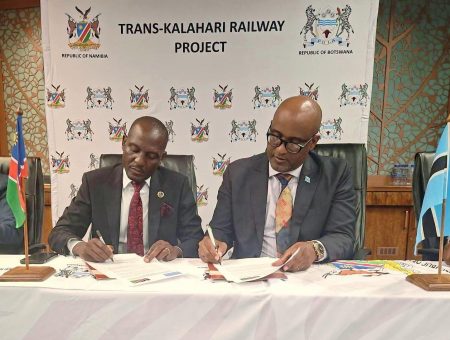
The terminal also gives Grindrod a west coast gateway outside its Maputo and South African east coast systems. The company is monitoring potential future opportunities linked to projects such as the proposed Trans Kalahari Railway and Namibia’s oil and gas sector, but has not committed additional capital to Walvis Bay and says any investment would need to meet its strategic and capital-allocation requirements.

Grindrod Focuses on Rebuilding Walvis Bay Bulk Cargo Base
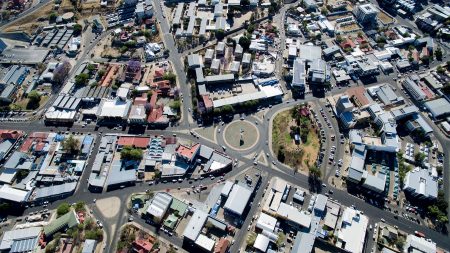
The Port of Walvis Bay in Namibia, where Grindrod operates a bulk terminal. Photo © Grindrod

  • Grindrod Limited’s Walvis Bay terminal handled 43,515 tonnes of dry bulk cargo in the first half of 2026, up 162%.
  • The increase came from a low base following the loss of key customers in the previous period.
  • A new commercial team is pursuing opportunities across different bulk commodities and spot cargoes.
  • The terminal’s template capacity is 550,000 tonnes.
  • Grindrod has historically handled commodities including coal and copper concentrate through Walvis Bay.
  • The company says its immediate priority is to rebuild a sustainable and diversified bulk cargo base rather than increase physical capacity.

Grindrod Limited’s Walvis Bay terminal recorded a 162% increase in dry bulk cargo volumes in the first half of 2026, but the company says it has no immediate plans to expand its physical operations at the port.

The terminal handled 43,515 tonnes of dry bulk cargo during the six months, up from a low base following the loss of key customers in the previous period.

Grindrod said the increase reflects the early results of a renewed commercial focus at the facility, with a new team pursuing opportunities across different bulk commodities and spot cargoes.

The company’s immediate priority is to rebuild a sustainable and diversified bulk cargo base rather than increase the terminal’s physical capacity.

Historically, Grindrod has handled commodities including coal and copper concentrate through Walvis Bay. It is now seeking to broaden the commodity mix and reduce its reliance on individual customers.

The volumes of 43,515 tonnes handled in the first half of 2026 represent meaningful growth off last year’s low base, the company said, adding that its focus for the remainder of the year is to continue building a sustainable bulk cargo underpin.

Despite the 162% increase, current volumes remain significantly below the terminal’s capacity of 550,000 tonnes.

Grindrod said the loss of key customers had affected the previous period and that the renewed commercial approach is aimed at identifying new cargo types and customers to strengthen volumes over time.

The company is also monitoring potential opportunities arising from major infrastructure and energy developments in Namibia and the region.

These include the proposed Trans Kalahari Railway and increasing oil and gas exploration and development activity in Namibia.

Grindrod said Namibia’s emerging oil and gas sector was attracting growing international investment, while regional corridor infrastructure such as the Trans Kalahari Railway remained strategically important.

However, the company said any such opportunities would be assessed according to their strategic fit and its capital allocation framework.

The framework prioritises stay-in-business capital expenditure, followed by growth capital aligned with Grindrod’s integrated corridor strategy. The company also considers sustainable dividends and share buy-backs where these create clear value.

Grindrod said Walvis Bay strengthened its west coast optionality by providing a gateway outside the Maputo and South African east coast systems.

The port forms part of the company’s broader integrated corridor strategy across Southern Africa, while the immediate focus remains on rebuilding and diversifying cargo volumes at the existing terminal.

Footnote

Written by Chamwe Kaira for Railways Africa.

Related News Articles