Why it Matters
Botswana Railways is facing a freight capacity problem rather than a demand problem. With volumes sitting at around 950,000 to 1 million tonnes a year against an estimated minimum operating requirement of 1.4 million tonnes, the railway’s ability to return locomotives and wagons to service will be central to whether it can recover traffic from road.
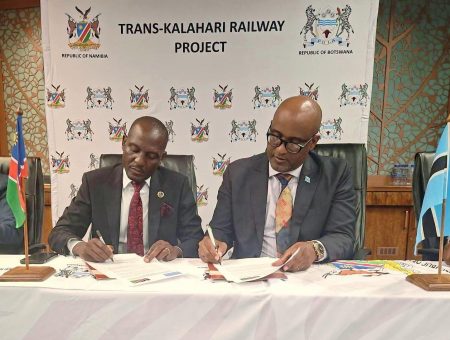
The turnaround effort also has wider regional significance. Botswana Railways sits on important north-south and east-west corridor ambitions, including the Trans-Kalahari Railway, Mmamabula-Lephalale and Mosetse-Kazungula-Livingstone links. Its asset recovery, strategic partner model and financial reporting backlog will directly influence its ability to participate in future corridor development.
TransNamib has received the findings of an independent investigation into the fatal Rovos Rail passenger train derailment that occurred near Naute, south of Keetmanshoop, Namibia, on 1 March 2026, marking a significant step in efforts to strengthen rail safety across Namibia.
The accident involved a Rovos Rail luxury passenger train travelling south from Windhoek towards South Africa. The train derailed after a washaway destroyed the final span of a bridge approximately 285 kilometres from Ariamsvlei, near the South African border.
According to TransNamib, the train’s automatic braking system activated immediately after the derailment, preventing additional damage and potentially averting a more serious disaster. However, the accident claimed the lives of a Rovos Rail locomotive driver and a TransNamib locomotive pilot.
In the aftermath of the incident, TransNamib appointed South Africa’s Railway Safety Regulator (RSR) to conduct an independent investigation. Namibia currently does not have a dedicated railway safety regulator, making the RSR’s involvement a critical component of the inquiry. The regulator was tasked with examining the operational, technical, organisational and human factors that may have contributed to the derailment.
The findings were formally presented during a feedback session attended by members of the TransNamib board, executive management and representatives of the Namibia Transport and Allied Workers Union (NATAU). The engagement formed part of a broader process aimed at enhancing rail safety oversight and improving operational resilience within the sector.
TransNamib said the investigation was conducted under the leadership of RSR Chief Executive Officer Brian Monakali and formed part of a structured approach to ensuring independent oversight of railway operations.
The national rail operator has indicated that it will now undertake a detailed review of the report and assess the recommendations contained in it. Those deemed applicable will be incorporated into ongoing safety enhancement programmes, operational procedures and continuous improvement initiatives.
TransNamib Chief Executive Officer Desmond van Jaarsveld said the decision to appoint the Railway Safety Regulator demonstrated the company’s commitment to transparency, accountability and independent oversight.
He noted that collaboration with the South African regulator highlights the value of regional partnerships in advancing railway safety standards and fostering a culture of continuous learning within the industry.
TransNamib reiterated its commitment to improving safety performance, strengthening operational systems and ensuring the safe and reliable operation of rail services throughout Namibia.
As the country’s national rail operator, TransNamib manages freight and passenger rail services and plays a central role in supporting Namibia’s transport infrastructure, economic development and regional trade links.
Rovos Rail, one of Southern Africa’s best-known luxury rail operators, has been operating on Namibian rail lines for more than 28 years. The company is internationally recognised for its premium long-distance rail journeys, which attract tourists from around the world and showcase the region’s landscapes, history and cultural heritage.
Written by Chamwe Kaira for Railways Africa