Namibia Introduces Cargo Levy to Fund Walvis Bay Corridor Secretariat

Namibia will introduce a user-pay principal levy of 90 Namibian cents per tonne on all cross-border cargo transported along the Walvis Bay-Ndola-Lubumbashi Corridor to support the corridor secretariat, which will open on 1 April.

The establishment of the Walvis Bay-Ndola-Lubumbashi Corridor secretariat is expected to strengthen regional trade and improve cross-border transport with Zambia and the Democratic Republic of Congo (DRC).

The Ministry of Works and Transport revealed that Namibia had finalised the groundwork required to set up the operation of the corridor’s permanent secretariat, including a roadmap, hosting agreement and funding instruments developed by a task team comprising officials from the works ministry, Roads Authority, Namibia Revenue Agency and the Walvis Bay Corridor Group.

The ministry said the corridor remains a critical instrument for reducing non-tariff barriers, improving logistics efficiency and boosting intra-African trade in line with continental initiatives such as the African Continental Free Trade Area.

The ministry said there was need for infrastructure investment, digitalisation of customs systems and the development of inland logistics hubs and truck ports along the route.

Among the issues that need to be addressed are logistical bottlenecks, infrastructure gaps and regulatory harmonisation challenges affecting the corridor.

Other pressing issues include the establishment of one-stop border posts and the harmonisation of transit fees, as implemented effectively.

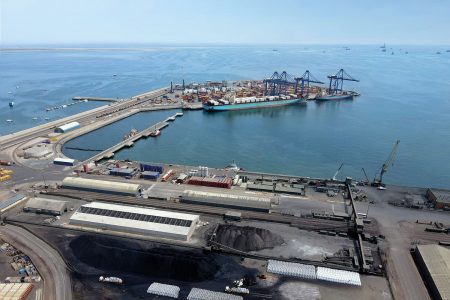
The corridor provides access for land-locked countries such as Zambia and the DRC, particularly the Katanga region, to the Port of Walvis Bay, but challenges still affecting the corridor’s competitiveness, include infrastructure gaps, administrative barriers, security concerns and the lack of harmonised transport policies.

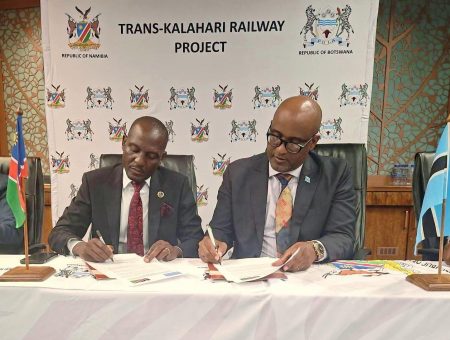
The Walvis Bay-Ndola-Lubumbashi Development Corridor agreement was signed in Livingstone, Zambia, in 2010 to facilitate the movement of goods and people between the three countries and promote socio-economic development along the corridor.

The Namibia Country Strategy Paper 2025–2030, released by the African Development Bank in March, pledged continued support to Namibia in upgrading its existing railway line along the corridor to Southern African Development Community standards.

Under the programme, the average train speed for freight between Walvis Bay and Tsumeb is expected to increase from about 40–50 kilometres per hour in 2024 to between 60 and 70 kilometres per hour by 2030. Cargo volumes transported by rail on the same route are also projected to rise from 100,000 tons per month in 2024 to 200,000 tons per month by 2030.

The bank also plans to support the establishment of a railway fund to strengthen the sustainability of the rail sector.

Footnote

Written by Chamwe Kaira for Railways Africa

Related News Articles