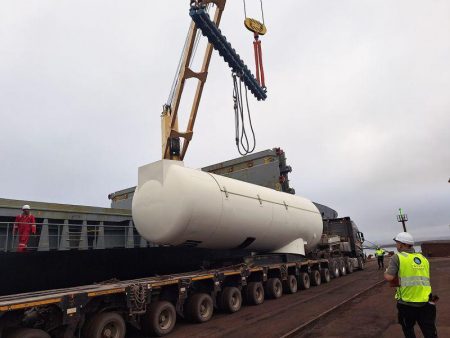
Namibia trade corridors handed over 2.5 million metric tonnes in 2025, figures released by the Walvis Bay Corridor Group (WBCG) have shown.
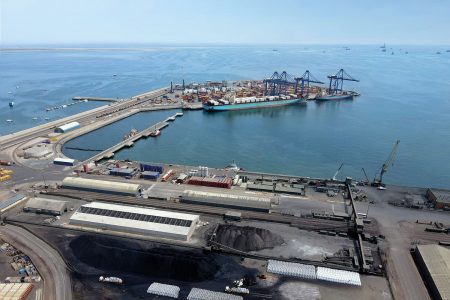
The Walvis Bay Corridors are an integrated system of well-maintained tarred roads and rail networks, accommodating all modes of transport, from the Port of Walvis Bay via the Trans Kalahari, Walvis Bay-Ndola-Lubumbashi Development Corridor, Trans-Cunene and Trans-Oranje Corridors, providing landlocked SADC countries access to transatlantic markets.
The Walvis Bay Corridor Group has branch offices that facilitate cross-border business development in Lusaka Zambia, Johannesburg South Africa, Lubumbashi DRC and Sao Paulo Brazil.
WBCG Acting Chief Executive Officer Edward Shivute said the milestone has prompted the organisation to intensify consultations with transport and logistics industry stakeholders to ensure corridor efficiency keeps pace with rising regional trade demand.
The talks are focused on gathering first-hand insights into emerging sector developments and identifying operational bottlenecks that affect the smooth movement of goods along the corridors. The consultations are critical to aligning WBCG’s strategic priorities with industry needs and regulatory requirements.
The Walvis Bay Corridor Group met with key partners, including Namport, freight forwarders and logistics companies. The feedback will inform the finalisation of the WBCG Strategic Framework for 2026–2031, which aims to position Namibia’s infrastructure to accommodate growing cargo volumes.
WBCG enters a new five-year strategic period, the organisation remains committed to its public-private partnership model, facilitating practical, solution-driven discussions that support economic growth and regional integration.
The group said the primary objective of the engagement was to consult directly with transport and logistics industry partners to gain a first-hand understanding of emerging sector developments. By identifying specific operational bottlenecks that hinder efficiency along Namibia’s strategic corridors, WBCG aims to implement targeted solutions that enhance the seamless flow of regional trade.
The group’s mission remains clear to maintain and enhance the competitiveness of its corridors. These consultations are vital for aligning its strategic operations with the needs of both the private sector and relevant regulatory agencies. By addressing industry ‘pain points’ and fostering deep-rooted collaborations, we ensure that the Walvis Bay Corridors continue to offer the most efficient and reliable transit solutions in the region.
As the WBCG transitions into this new five-year strategic period, the organisation remains dedicated to its unique Public-Private Partnership (PPP) model, facilitating solution-oriented conversations that drive economic growth and regional integration.
Feedback from high-level stakeholder engagements at Walvis Bay will help finalise the Walvis Bay Corridor Group’s (WBCG) five-year strategic plan for 2026–2031.
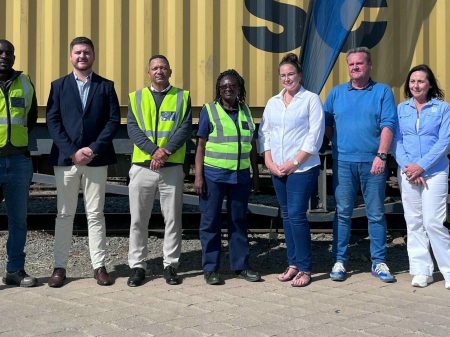
The WBCG team met with partners, including Namport, freight forwarders and logistics companies.
Written by Chamwe Kaira for Railways Africa.