This content is for Premium Subscribers only. To view this content, login below or subscribe as a Premium Subscriber.
Related News Articles
Zambia Targets Walvis Bay Corridor and Namibia Fuel Pipelines
19 October 2026
SADC, Zambia
3 min
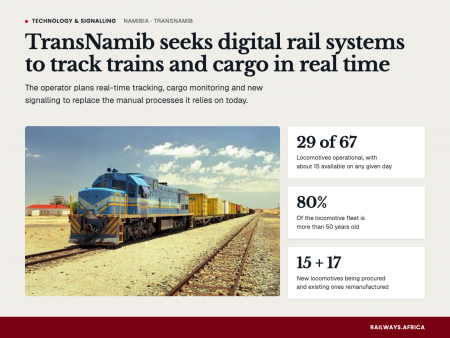
TransNamib Seeks Digital Rail Systems to Improve Train Tracking
19 October 2026
SADC, Namibia
2 min
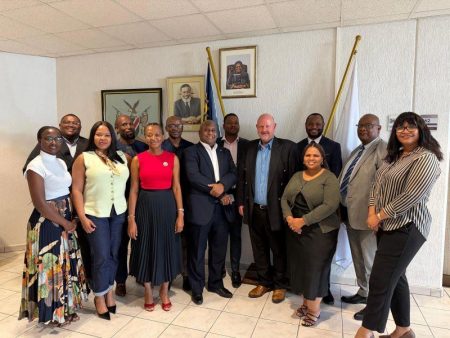
TransNamib Engages Lenders, Procurement Board and Minister on Locomotive Procurement
19 October 2026
SADC, Namibia
1 min
TransNamib Revises Locomotive Plan over Cost and Lead Times
14 October 2026
SADC, Namibia
3 min
Namibia’s Railway Projects Hit by Underspending, Delays and Contractor Cash-Flow Problems
29 September 2026
SADC, Namibia
3 min
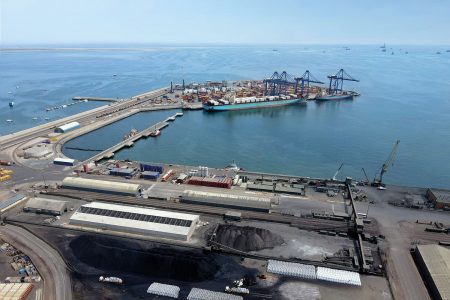
Grindrod Focuses on Rebuilding Walvis Bay Bulk Cargo Base
29 September 2026
SADC, Namibia
3 min
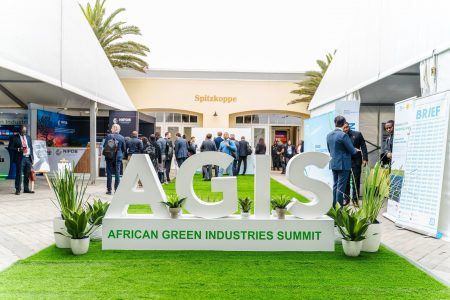
Rail, Transport and Ports Take Centre Stage in Africa’s Green Industrialisation Drive
21 September 2026
SADC, Namibia
4 min
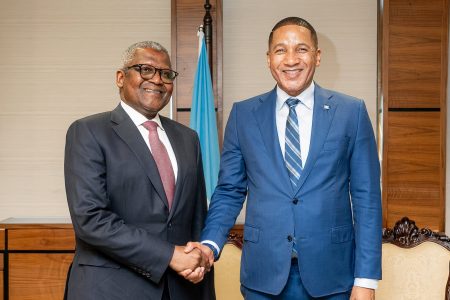
Trans Kalahari Railway Construction Must Start as Soon as Possible
21 September 2026
SADC, Namibia
2 min
Namibia Opens Prequalification for Kranzberg–Otjiwarongo Railway Upgrade
08 September 2026
SADC, Namibia
1 min
TransNamib Eyes Oshikango Trade Revival for Rail Services Resumption
02 September 2026
SADC, Namibia
2 min
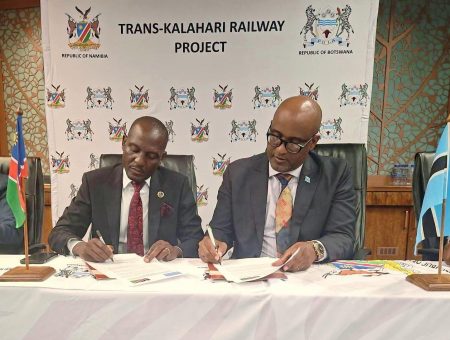
Trans-Kalahari Railway Moves Towards Procurement with US$8 Billion Price Tag
23 August 2026
SADC, Namibia
3 min
1 min
The Namibe Corridor is Entering a New Phase
16 August 2026
SADC, Zambia
1 min
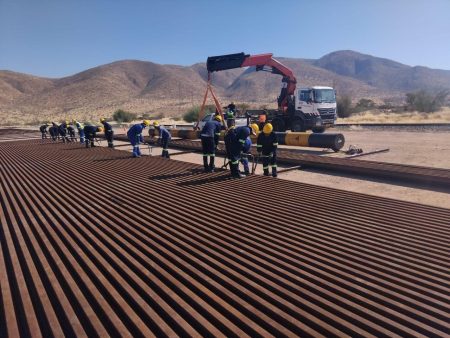
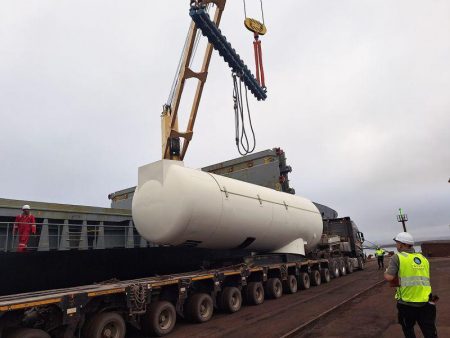
Namibia to Host Walvis Bay–Ndola–Lubumbashi Development Corridor Headquarters
27 July 2026
SADC, Zambia
2 min