AfDB Backs Upgrade Of Walvis Bay–Ndola–Lubumbashi Rail Corridor To Boost Namibia’s Logistics Hub Ambitions

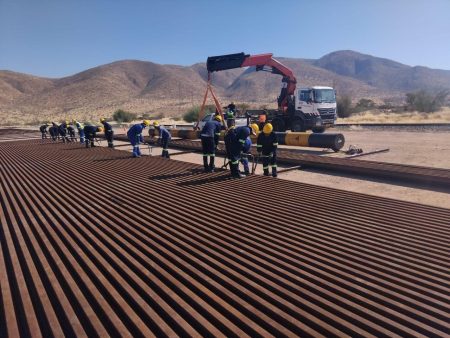
The African Development Bank is continuing to support Namibia in upgrading its existing railway line along the Walvis Bay–Ndola–Lubumbashi Corridor to Southern African Development Community standards. This was revealed in the Namibia Country Strategy Paper 2025–2030 released by the bank in Windhoek.

The initiative forms part of efforts to strengthen regional transport infrastructure by integrating the railway line with new and existing roads through an economic corridor approach aimed at improving efficiency and connectivity.

Under the programme, the average train speed for freight between Walvis Bay and Tsumeb is expected to increase from about 40–50 kilometres per hour in 2024 to between 60 and 70 kilometres per hour by 2030. Cargo volumes transported by rail on the same route are also projected to rise from 100 000 tons per month in 2024 to 200 000 tons per month by 2030.

The bank also plans to support the establishment of a railway fund to strengthen the sustainability of the rail sector. A study reviewing the institutional setup of the railway sub-sector was completed in 2022, and the government is expected to develop a roadmap outlining the regulatory and legal instruments needed to implement the recommendations and establish the fund.

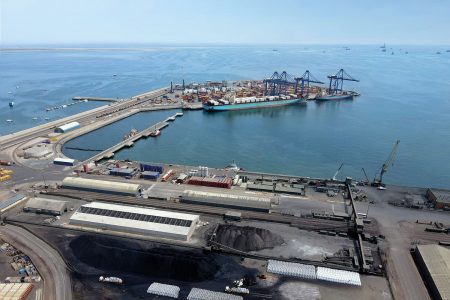
The development bank has been approached to broaden its support for the upgrading of the railway line from Walvis Bay Port to Kranzberg and further to Tsumeb along the Walvis Bay–Ndola–Lubumbashi Corridor.

The project aligns with Namibia’s ambition to position itself as a regional logistics hub. Currently, the country lacks railway infrastructure links with neighbouring Zambia, Angola and Botswana, with the existing rail network primarily connected to South Africa in the south.

The African Development Bank noted that further investment in the rail sector will be necessary for Namibia to achieve its logistics hub ambitions, particularly in facilitating trade for landlocked countries such as Zambia and the Democratic Republic of the Congo.

An interministerial committee is currently working on a rail network development programme that prioritises improved rail and road connectivity with Angola and Zambia. Unlocking logistics opportunities along the Walvis Bay–Ndola–Lubumbashi Corridor will require stronger cooperation with neighbouring countries, improved logistics services and the closing of infrastructure gaps, particularly in rail. These improvements are expected to support the movement of bulk cargo, including copper and other minerals from the DRC and Zambia.

According to the bank, Namibia’s rail sector faces several challenges, including an ageing rail network, shortages of technical skills and gaps in legal and regulatory frameworks. The government has begun shifting focus from road to rail transport, as reflected in recent financing allocations.

Strengthening rail transport is expected to help preserve road infrastructure while reducing transport costs, which currently affect Namibia’s competitiveness compared with other coastal countries in the Southern African Development Community, such as Mozambique, Tanzania and South Africa. At present, rail accounts for about 20 percent of total freight traffic in Namibia, with the majority of cargo transported by road.

Namibia’s transport logistics system consists of four subsectors: road, railway, aviation and maritime. The country’s road network extends about 48,900 kilometres, while the railway network covers approximately 2,687 kilometres. The aviation sector includes eight airports. In the maritime sector, the main commercial ports are located at Walvis Bay and Lüderitz on the Atlantic Ocean. Walvis Bay handles about 21.2 million tons of cargo annually, while Lüderitz mainly serves trade with South Africa and southern Namibia.

Footnote

Written by Chamwe Kaira for Railways Africa

Related News Articles