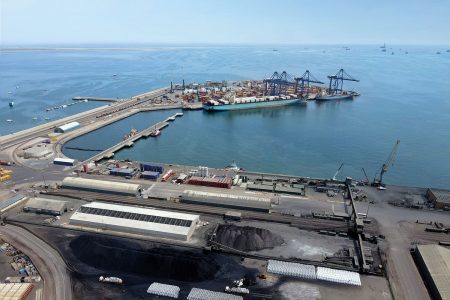
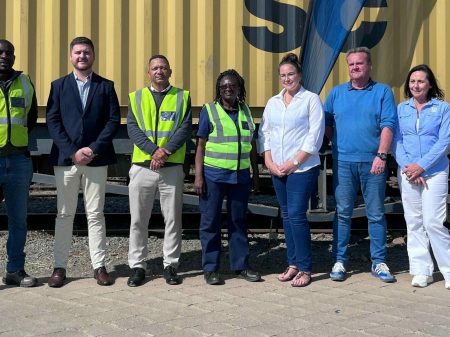
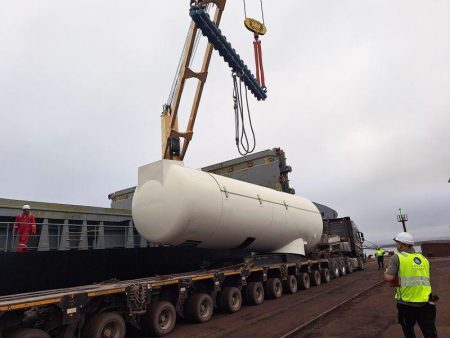
SeaRail’s first-quarter throughput rose from 8,206 tonnes to 23,829 tonnes year on year, and the company has set a full-year target of 145,000 tonnes for 2026/27. SeaRail operates the Botswana Dry Port adjacent to Namport in Walvis Bay and is a wholly owned subsidiary of Botswana Railways.
Botswana accounted for 199,970 tonnes of the 1.96 million tonnes of cross-border cargo handled by Namibian ports in 2025/26. SeaRail plans a dry port facility in Gobabis to move some cargo from road to rail towards Walvis Bay, a customs-clearing office at the Trans-Kalahari Border Post, and further warehousing and refrigerated cargo capacity.
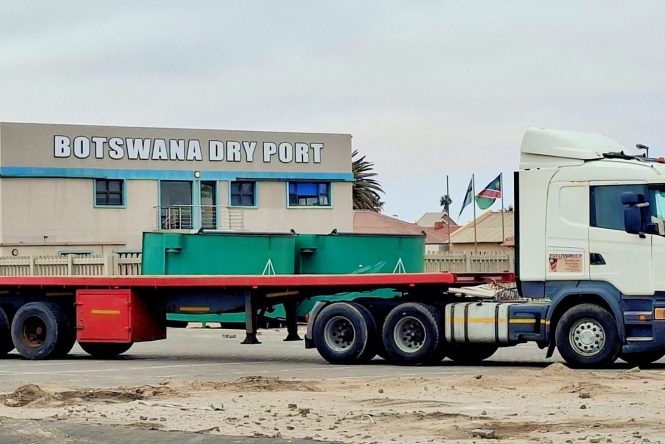
- SeaRail has set a full-year operational target of 145,000 tonnes for the 2026/27 financial year.
- SeaRail operates the Botswana Dry Port facility adjacent to Namport in Walvis Bay, Namibia, and is a wholly owned subsidiary of Botswana Railways.
- SeaRail handled 23,829 tonnes between April and June 2026, compared with 8,206 tonnes in the same period last year.
- Botswana accounted for 199,970 tonnes of the 1.96 million tonnes of cross-border cargo handled by Namibian ports in 2025/26.
- SeaRail plans to establish a dry port facility in Gobabis in eastern Namibia to transfer some cargo from road to rail between Gobabis and Walvis Bay.
- SeaRail plans to increase its refrigerated container plug-in capacity from 72 to 96 points and to build an approximately 5,000-square-metre under-roof storage warehouse.
SeaRail has set a full-year operational target of 145,000 tonnes for the 2026/27 financial year after its Walvis Bay Dry Port recorded a sharp increase in cargo throughput during the first quarter.
SeaRail operates the Botswana Dry Port facility adjacent to Namport in Walvis Bay, Namibia. The company is a wholly owned subsidiary of Botswana Railways.
SeaRail managing director, Derick Mokgatle said the company handled 23,829 tonnes between April and June 2026, compared with 8,206 tonnes during the same period last year.
The first-quarter performance provided a positive indication of the direction of the company’s operations.
The target forms part of SeaRail’s broader objective of increasing cargo throughput, strengthening its regional logistics offering and supporting the growing role of the Walvis Bay regional trade corridor.
Cargo moving through Walvis Bay and SeaRail’s logistics network includes general cargo, fuel from Namibia, industrial and commercial goods, as well as mineral exports.
Of the 1.96 million tonnes of cross-border cargo handled in 2025/26 by Namibian ports, Botswana accounted for 199,970 tonnes.
Botswana-related imports include mainly containerised general cargo, fuel and other industrial and commercial goods. Exports include general cargo and minerals, including copper concentrate.
SeaRail is also planning to establish a dry port facility in Gobabis in eastern Namibia to facilitate the transfer of some cargo from road to rail between Gobabis and Walvis Bay, ahead of the rail link connection into Botswana.
The planned facility would position the company closer to the Trans-Kalahari corridor, where the current railhead from Walvis Bay terminates, and support the development of integrated road and rail logistics services.
SeaRail is also pursuing the acquisition of additional land adjacent to the Port of Walvis Bay to accommodate increased bulk mineral exports.
The company also plans to commission a customs-clearing office at the Trans-Kalahari Border Post as the company expands its operations to support growing cargo movements between Namibia, Botswana and the wider Southern African region.
The expansion plans come as the company anticipates growing demand for cargo-handling and logistics services, with investments planned in warehousing and refrigerated cargo infrastructure.
Construction is also planned for an approximately 5,000-square-metre under-roof storage warehouse to increase capacity for general and project cargo.
The company also plans to increase its refrigerated container plug-in capacity from 72 to 96 points, enabling it to handle larger volumes of temperature-sensitive cargo.
The company’s services include bonded and general warehousing, container stuffing and destuffing, cargo handling, customs clearing, freight forwarding, transportation, equipment hire and refrigerated container plug-in facilities.
SeaRail has also expanded its presence in Botswana through its holding company, Sea Rail (Pty) Ltd, establishing two offices in the country.
The company is targeting accreditation under ISO 9001, ISO 14001 and ISO 45001 next year.
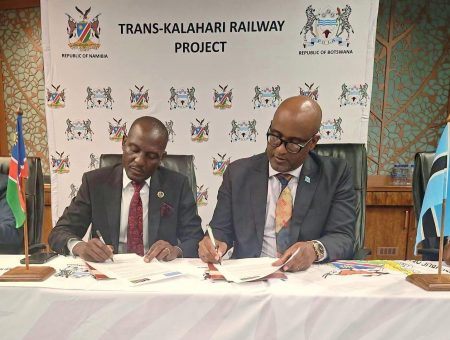
On the proposed Trans-Kalahari Railway, Mokgatle said SeaRail recognised the strategic importance of improved rail connectivity between Namibia and Botswana and was positioning itself to benefit from the opportunities created by enhanced regional transport links.
The proposed railway is expected to strengthen regional connectivity, potentially creating opportunities for logistics operators serving trade between Namibia, Botswana and wider regional markets.
Written by Chamwe Kaira for Railways Africa.