Mozambique Positions Port and Rail Corridors for Italian Investment

Why it Matters

Mozambique’s positioning of its port, rail and logistics corridors to Italian investors reinforces the country’s role as a gateway between the Indian Ocean and Southern Africa’s hinterland economies. The Maputo, Beira and Nacala corridors remain central to regional trade flows, particularly where rail, port and road systems can be better integrated to reduce logistics costs and improve market competitiveness.

The investment areas identified by the Minister of Transport and Logistics, including railway rehabilitation and expansion, port modernisation, cargo terminals, multimodal logistics platforms and digital logistics systems, align with the broader regional requirement for more efficient corridor infrastructure. For investors and operators, Mozambique is presenting transport and logistics as a structured investment opportunity rather than a standalone infrastructure need.

Mozambique Positions Port and Rail Corridors for Italian Investment
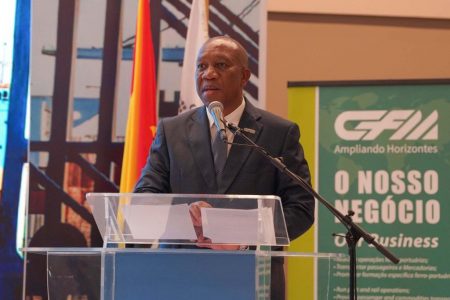
Mozambique’s Minister of Transport and Logistics, João Matlombe, has invited Italian companies to invest in the country’s transport and logistics infrastructure, with port, rail, road and logistics platforms identified as priority areas for private sector participation. The invitation was made on 8 June 2026 during the Mozambique-Italy Business Conference, where the minister positioned Mozambique as a logistics gateway for Southern Africa and highlighted the country’s investment potential. Matlombe said Mozambique has established itself as one of Africa’s economies with the greatest growth potential, supported by abundant natural resources, a strategic geographic position and a young, dynamic population. The minister also referred to reforms being introduced across various sectors to strengthen transparency, simplify administrative procedures and attract domestic and foreign private investment. “Our geographical position gives us a central role in Southern Africa. With more than 2,700 kilometres of coastline on the Indian Ocean and functioning as a natural gateway to and from the hinterland countries, Mozambique is a fundamental logistics hub for the Southern African Development Community (SADC),” said João Matlombe. He identified the Maputo, Beira and Nacala Development Corridors as the pillars of regional connectivity. According to Matlombe, continued investment is required in the modernisation and expansion of port, rail and road infrastructure to increase logistics efficiency, reduce transport costs and improve the competitiveness of regional markets. “The Transport and Logistics sector offers concrete and attractive investment opportunities, particularly in port expansion and modernisation, railway rehabilitation and expansion, the development of multimodal logistics platforms, the construction of cargo terminals, the digitalisation of customs and logistics systems, and the implementation of intelligent supply chain management solutions,” he said. The minister extended a direct invitation to Italian companies to participate in the transformation of Mozambique’s logistics sector, pointing to the potential role of Italian expertise in supporting infrastructure development. “We are convinced that Italian experience and know-how will contribute decisively to the construction of modern, efficient, resilient infrastructure aligned with the highest international sustainability standards,” said Matlombe. The appeal to Italian investors comes as Mozambique continues to position its transport corridors as strategic trade routes for the wider SADC region. With the Maputo, Beira and Nacala corridors providing access between the Indian Ocean and landlocked hinterland economies, investment in port-rail integration, railway rehabilitation, cargo terminals and multimodal logistics facilities remains central to the country’s regional logistics strategy.

Mozambique’s Minister of Transport and Logistics, João Matlombe, has invited Italian companies to invest in the country’s transport and logistics infrastructure, with port, rail, road and logistics platforms identified as priority areas for private sector participation.

The invitation was made on 8 June 2026 during the Mozambique-Italy Business Conference, where the minister positioned Mozambique as a logistics gateway for Southern Africa and highlighted the country’s investment potential.

Matlombe said Mozambique has established itself as one of Africa’s economies with the greatest growth potential, supported by abundant natural resources, a strategic geographic position and a young, dynamic population.

The minister also referred to reforms being introduced across various sectors to strengthen transparency, simplify administrative procedures and attract domestic and foreign private investment.

“Our geographical position gives us a central role in Southern Africa. With more than 2,700 kilometres of coastline on the Indian Ocean and functioning as a natural gateway to and from the hinterland countries, Mozambique is a fundamental logistics hub for the Southern African Development Community (SADC),” said João Matlombe.

He identified the Maputo, Beira and Nacala Development Corridors as the pillars of regional connectivity. According to Matlombe, continued investment is required in the modernisation and expansion of port, rail and road infrastructure to increase logistics efficiency, reduce transport costs and improve the competitiveness of regional markets.

“The Transport and Logistics sector offers concrete and attractive investment opportunities, particularly in port expansion and modernisation, railway rehabilitation and expansion, the development of multimodal logistics platforms, the construction of cargo terminals, the digitalisation of customs and logistics systems, and the implementation of intelligent supply chain management solutions,” he said.

The minister extended a direct invitation to Italian companies to participate in the transformation of Mozambique’s logistics sector, pointing to the potential role of Italian expertise in supporting infrastructure development.

“We are convinced that Italian experience and know-how will contribute decisively to the construction of modern, efficient, resilient infrastructure aligned with the highest international sustainability standards,” said Matlombe.

The appeal to Italian investors comes as Mozambique continues to position its transport corridors as strategic trade routes for the wider SADC region. With the Maputo, Beira and Nacala corridors providing access between the Indian Ocean and landlocked hinterland economies, investment in port-rail integration, railway rehabilitation, cargo terminals and multimodal logistics facilities remains central to the country’s regional logistics strategy.

Related News Articles