Mozambique Opens Consultation on Rail Access Regulations to Strengthen Corridor Competitiveness

Why it Matters

Mozambique’s proposed rail access regulations place governance at the centre of rail reform. Infrastructure alone will not shift more freight to rail unless operators, investors and corridor users have clear rules on access, capacity allocation, dispute resolution and operational participation.

For Southern Africa, the consultation is also a corridor competitiveness issue. Mozambique’s rail-port system serves domestic freight and regional transit markets, making rail access regulation central to trade efficiency, logistics costs and the long-term performance of regional transport corridors.

Mozambique Opens Consultation on Rail Access Regulations to Strengthen Corridor Competitiveness
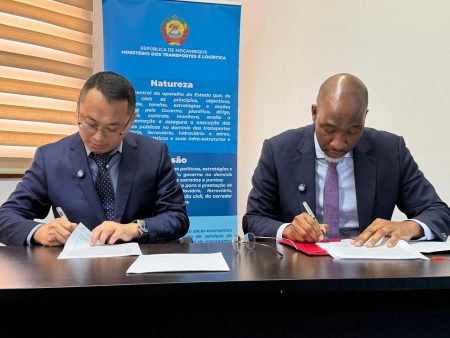
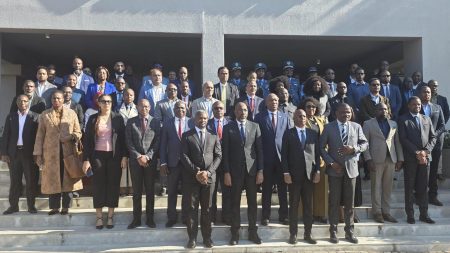
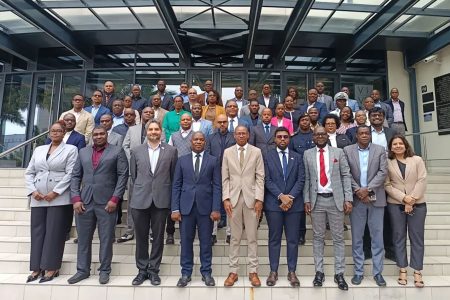
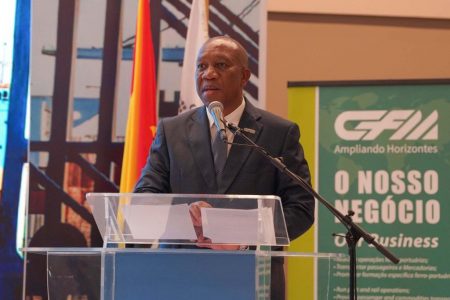
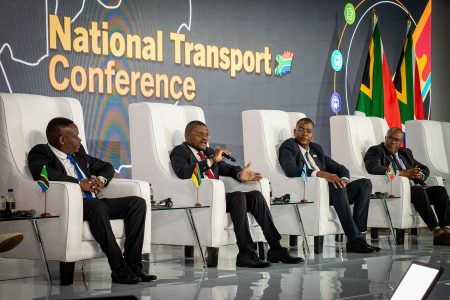
Mozambique’s Minister of Transport and Logistics, João Matlombe, opened the Maputo consultation on rail access regulations aimed at strengthening railway governance, corridor competitiveness and rail-port integration. Pic - Ministry of Transport.

Mozambique has opened public consultation on proposed regulations for access to railway activity, as the government moves to modernise the country’s rail governance framework and strengthen the role of rail in logistics competitiveness, regional integration and corridor development.

The consultation meeting was opened in Maputo on 28 May 2026 by João Matlombe, Minister of Transport and Logistics. The process is intended to support a clearer and more predictable access framework for the railway sector, with the aim of encouraging investment, improving operational efficiency and increasing the use of rail infrastructure.

The proposed regulation comes as Southern Africa continues to intensify development around strategic transport corridors, expand intra-regional trade and increase investment in logistics infrastructure. For Mozambique, the regulatory discussion is directly linked to the performance of its rail-port system and the country’s role as a gateway for regional freight.

According to Matlombe, the consultation forms part of a broader effort to reposition the railway sector as a driver of economic competitiveness, regional integration and logistics transformation. The government views updated rail access rules as essential to creating a more dynamic, transparent and competitive railway system, while keeping the public interest and sustainable economic growth at the centre of the reform process.

Clearer Rules for Railway Access

The proposed regulation is intended to establish a balanced and technically robust framework for access to railway activity. Its objectives include stimulating competition, increasing utilisation of railway infrastructure, encouraging the entry of new operators and investors, and improving interoperability and operational efficiency.

The regulation is also expected to support stronger integration between rail and port systems, while consolidating Mozambique’s national and regional logistics corridors as competitive platforms for trade and development.

For Mozambique’s corridor economy, the issue is not only the existence of infrastructure. Regulatory quality, service efficiency and investor confidence are becoming increasingly important in determining whether rail can compete effectively in regional freight markets.

Matlombe said the future competitiveness of the sector would depend on the quality of regulation, the efficiency of services and the creation of a trusted operating environment for investors, operators and users.

Rail Reform Linked to Investment and Trade

The government has emphasised that a modern railway sector requires transparent rules for infrastructure access, clear criteria for capacity utilisation, effective mechanisms for resolving disputes and equitable conditions for market participants.

The consultation process is therefore expected to include input from rail operators, port managers, investors, technical specialists and users of logistics corridors.

This broader engagement is important for Mozambique’s rail sector, where railway performance is closely tied to port throughput, border efficiency, mining logistics, agricultural exports, transit freight and regional corridor competitiveness.

The proposed regulation is being framed not only as a response to current market requirements but also as a tool to prepare the rail sector for the next decade. Key issues include the digitalisation of logistics, the energy transition, the growth of regional trade and the need for more resilient and sustainable supply chains.

Rail’s Role in Reducing Logistics Costs

Mozambique’s Ministry of Transport and Logistics has positioned rail as a central instrument for reducing logistics costs, improving export competitiveness, easing pressure on road infrastructure and supporting more sustainable economic development.

That policy direction is significant for a country whose ports and rail corridors serve both domestic freight and neighbouring land-linked markets. Improved access rules could support better use of existing railway assets, create a clear environment for private participation and strengthen the competitiveness of Mozambique’s logistics corridors.

The outcome of the consultation will be watched by operators, investors and corridor users seeking greater predictability in how rail infrastructure is accessed, managed and integrated with port and logistics systems.

For Railways Africa, the development places Mozambique within the wider regional rail reform conversation, where infrastructure investment is increasingly being matched by policy, regulatory and operational changes intended to unlock freight growth.

Related News Articles