The minister placed the Lobito Corridor, and the coordination between the Benguela Railway and the Port of Lobito, at the centre of Angola's transport and logistics strategy, and said the sector's competitiveness is measured by operating efficiency, logistics costs and transport times rather than by the length of railway lines alone.
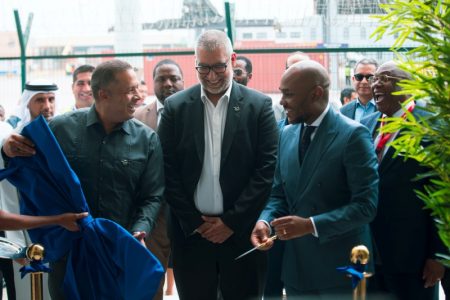
The next step at Caála is the inauguration of the first phase of the cold chain.
- The first phase of the Caála Logistics Platform cold chain is to be inaugurated in the week following 29 September 2026, according to the Government of Angola.
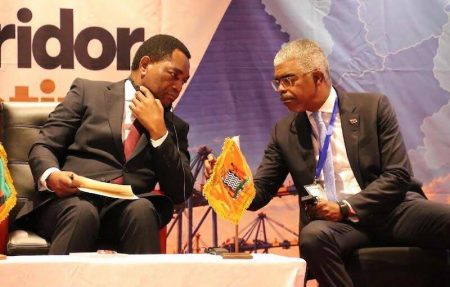
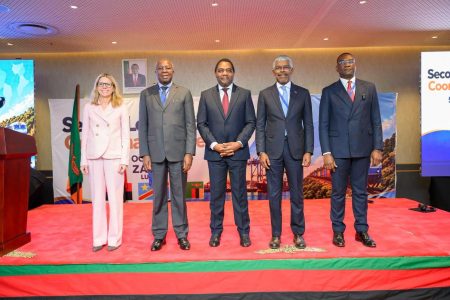
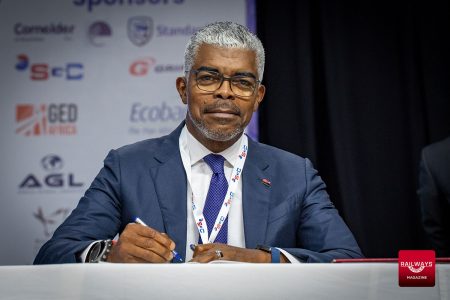
- Transport Minister Ricardo de Abreu highlighted the inauguration at the opening of the second Angola Hub Transport and Logistics Summit.
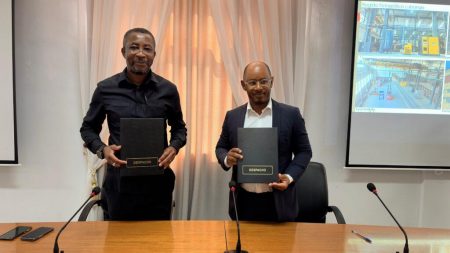
- The minister presented the facility as the result of public and private investment, international cooperation and the participation of local entrepreneurs.
- He cited the Luvo border post, promoted by the General Tax Administration, as a possible model for other parts of the country.
- De Abreu said the Lobito Corridor occupies a central position in Angola's transport and logistics strategy.
- He said the corridor's development cannot be limited to moving raw materials between the interior of the continent and international markets.
The first phase of the cold chain at the Caála Logistics Platform is due to be inaugurated next week, Angola's Minister of Transport, Ricardo de Abreu, said at the opening of the second Angola Hub Transporte e Logística Summit.
He presented the facility as part of Angola's strategy to modernise transport and the movement of goods, and as the result of public and private investment combined with international cooperation and the participation of local entrepreneurs.
De Abreu said projects of this kind must be accompanied by a change in how the countries and operators involved in regional trade cooperate. He cited the Luvo border post, promoted by the General Tax Administration (AGT), as an experience that could serve as a model for other parts of the country. The challenge, he said, is to turn cooperation mechanisms into verifiable improvements by reducing transit times, simplifying procedures, improving coordination between operators and creating the conditions for more goods to move.
Regional integration, the minister argued, cannot depend only on building infrastructure or signing international agreements. In his view, modernising procedures, making services more efficient and enabling companies to operate in more open and integrated markets are the deciding factors in bringing the region's economies closer together.
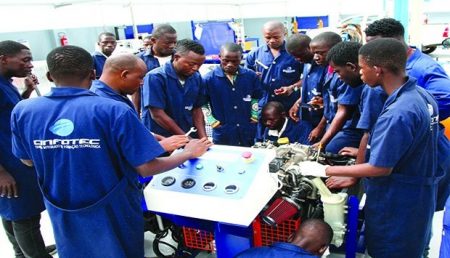
Physical infrastructure, he said, must be matched by simpler administrative procedures, regulatory harmonisation, technological modernisation and the development of production chains.
According to De Abreu, Angola's transport and logistics strategy rests on building an integrated system that serves the national economy, strengthens links with neighbouring countries and provides competitive access to international markets. He said the sector's competitiveness is measured not only by the length of railway lines, installed port capacity or airport modernisation. It also depends on operational efficiency, logistics costs, transport times and the ability to respond to the needs of businesses and the population.
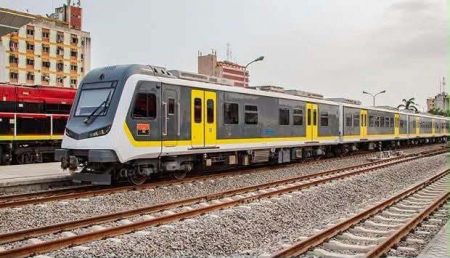
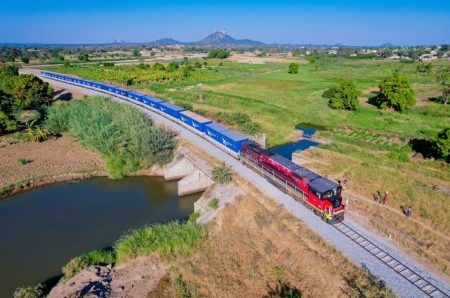
The combination of the Benguela Railway (CFB), the Port of Lobito and links to neighbouring countries, he said, offers an opportunity to develop a regional logistics platform serving a range of economic activities. In his view, connectivity should create opportunities for agriculture, industry, commerce and services, and for the communities within the corridor's area of influence. Its development, he said, cannot be limited to moving raw materials between the interior of the continent and international markets.
The minister did not give an inauguration date, investment figure, capacity or operator for the cold chain, and he did not describe what later phases at the Caála platform will include.