Angola’s commitments place cross-border procedures, trade-system interoperability and project preparation among the priorities for the Lobito Corridor. The proposed one-stop arrangement at Luau–Dilolo is particularly relevant to the corridor’s connection between Angola and the DRC.
The inclusion of the Caála Logistics Platform also reinforces Angola’s stated intention to accommodate cargo beyond minerals. Its agricultural storage and handling facilities provide a specific example of the wider logistics infrastructure being developed along the corridor.
- Angola has reaffirmed that the Lobito Corridor is intended to accommodate all cargo types, not only minerals.
- Angola and the DRC are to work towards a one-stop border arrangement at Luau–Dilolo.
- Angola intends to make its Single Window for Foreign Trade interoperable with neighbouring countries’ systems.
- The country has committed to completing the Corridor Master Plan and preparing a portfolio of bankable projects.
- Angola supports three proposed priorities for the next 24 months and the Joint Trade Facilitation Roadmap.
- The first phase of the Caála Logistics Platform has been inaugurated, providing 15 refrigerated units with simultaneous storage capacity for 100 tonnes of agricultural produce.
In Lusaka, the Minister of Transport calls for “implementation discipline” and the transformation of a transport corridor into an economic development corridor.
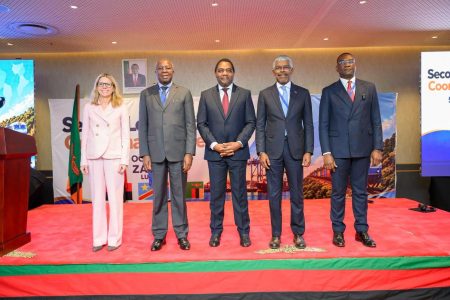
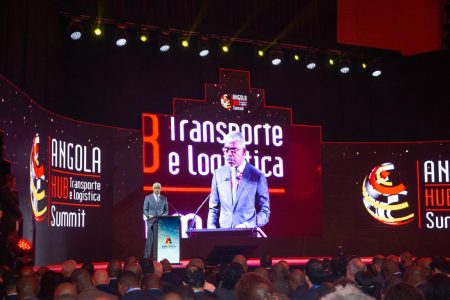
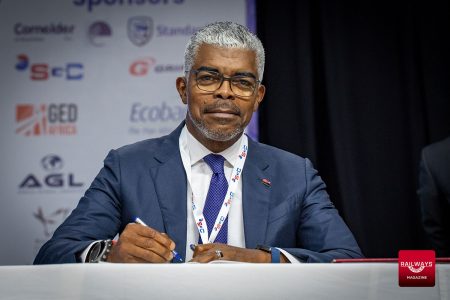
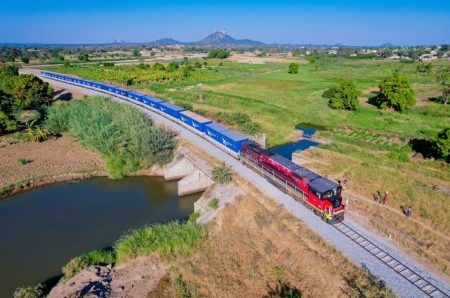
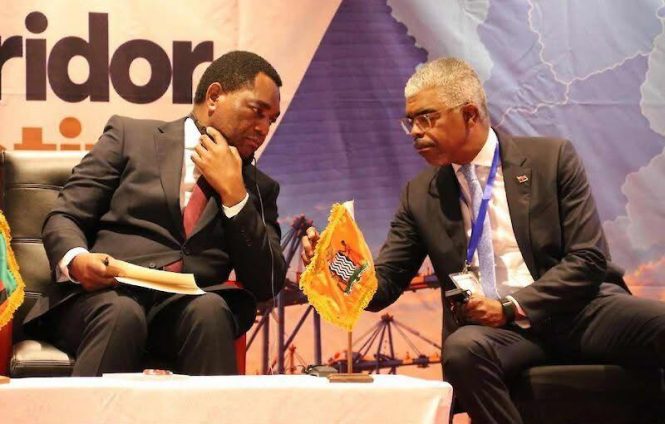
Angola has reaffirmed its commitment to keeping the Lobito Corridor open to all types of cargo, rather than limiting its development to mineral exports. Speaking at the Second Lobito Corridor Coordination Meeting in Lusaka, Zambia, Minister of Transport Ricardo Viegas D’Abreu outlined Angola’s priorities for improving cross-border transport and trade facilitation.
Representing President João Lourenço, the Minister confirmed Angola’s commitment to working with the Democratic Republic of the Congo (DRC) to establish a one-stop border arrangement at Luau–Dilolo. The country also intends to make its Single Window for Foreign Trade interoperable with neighbouring countries’ systems, complete the Corridor Master Plan and prepare a portfolio of bankable projects for potential investors.
Angola endorsed the three priorities proposed for the next 24 months and the Joint Trade Facilitation Roadmap. D’Abreu called for greater emphasis on implementation, proposing that each priority have an identified person responsible, a deadline and a mechanism for monitoring progress.
The Minister said the government's objective is to move beyond developing the Lobito Corridor solely as a transport route and establish it as a broader economic development corridor.
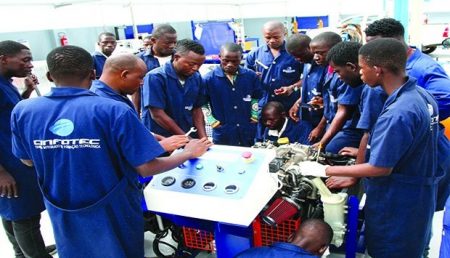
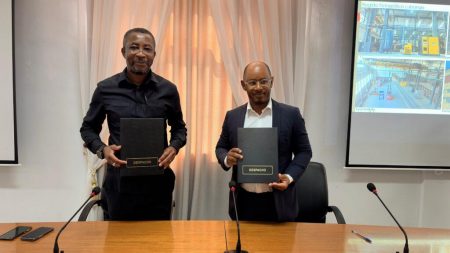
As an example of progress, he highlighted the inauguration of the first phase of the Caála Logistics Platform. The facility includes 15 refrigerated units with the capacity to store 100 tonnes of agricultural produce simultaneously, alongside areas for receiving and sorting fruit and vegetables. It is also equipped with a solar power system and battery storage to provide energy autonomy.
The meeting was organised by the World Bank in partnership with the Government of Zambia and opened by Zambian President Hakainde Hichilema. Representatives from the DRC and the private sector also participated.
Angola’s delegation included Ivan dos Santos, Secretary of State for Public Investment at the Ministry of Planning; Amadeu Nunes, Executive Secretary of the Lobito Corridor Transit Transport Facilitation Agency (LCTTFA); and representatives of Angola’s Cargo and Logistics Certification Regulatory Agency (ARCCLA) and General Tax Administration (AGT).