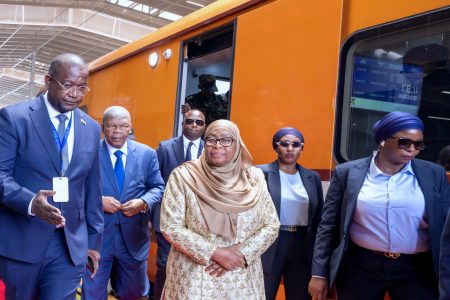
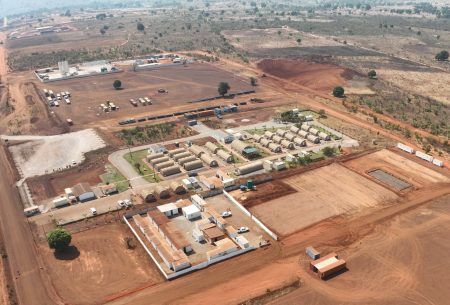
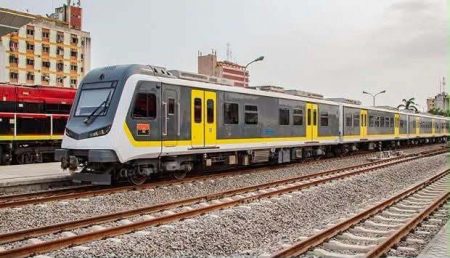
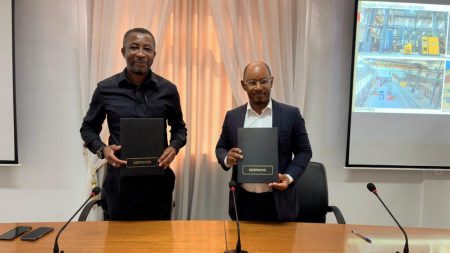
The construction contract for the Malanje–Cuito–Menongue railway represents a further step in Angola's plans to interconnect its three principal railway systems. The proposed 700 km North–South Corridor is intended to link the Luanda, Benguela and Moçâmedes networks, providing connections between productive regions and supporting passenger services and the movement of agricultural and mineral products. Alongside the 260 km Luena–Saurimo branch, the projects form part of the government's wider programme to extend railway connectivity across the country.
For railway operators, infrastructure contractors and logistics stakeholders, the announcements cover different stages of development across Angola's network. The Namibe Corridor has reached international concession tender, while rehabilitation of the 215 km Zenza–Cacuso section remains a planned investment. The reported investment exceeding US$750 million in the Lobito Corridor reinforces the government's stated focus on developing rail-based logistics connections with Zambia and the Democratic Republic of the Congo, alongside its plans for a national network of logistics platforms.
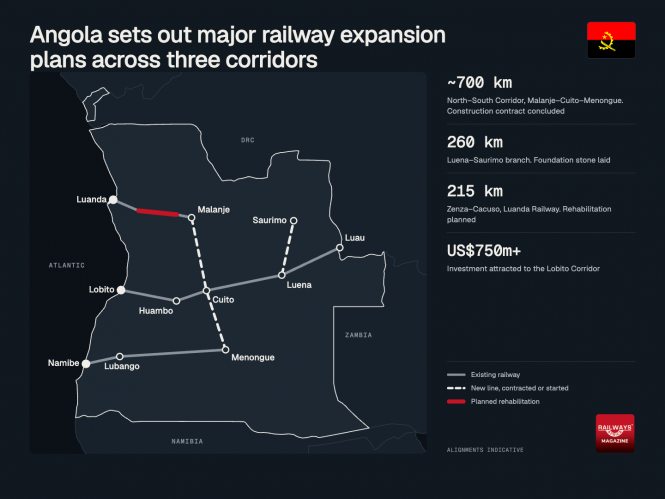
- President João Lourenço reported progress on several railway projects in his State of the Nation Address on 15 October 2026.
- The construction contract for the approximately 700 km North–South railway linking Malanje, Cuito and Menongue has been concluded.
- An international tender has been launched for a concession to operate, manage and maintain the Namibe Corridor, using the model adopted for the Benguela Railway.
- The foundation stone has been laid for the 260 km Luena to Saurimo branch line, described as the first railway project of this scale built from scratch since independence.
- The government plans to invest in rehabilitating the 215 km Zenza–Cacuso section of the Luanda Railway.
- Investment exceeding US$750 million has been attracted to the Lobito Corridor, according to the President.
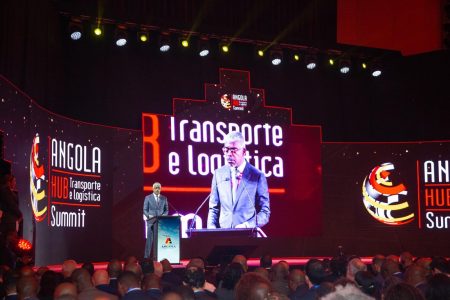
Angola has concluded a construction contract for the proposed railway linking Malanje, Cuito and Menongue, while launching an international tender for a concession to operate, manage and maintain the Namibe Corridor. President João Lourenço reported both developments during his State of the Nation Address on 15 October 2026, which also covered the new railway branch between Luena and Saurimo, plans to rehabilitate part of the Luanda Railway and investment in the Lobito Corridor.
The proposed North–South Corridor comprises approximately 700 km of new railway. It is intended to connect Angola's Luanda, Benguela and Moçâmedes railway systems, enabling passenger transport and the movement of agricultural and mineral products. Lourenço said the construction contract had already been concluded. His speech presented the interconnection as part of the government's plans to expand rail links between the north and south of the country and connect principal cities and productive regions.
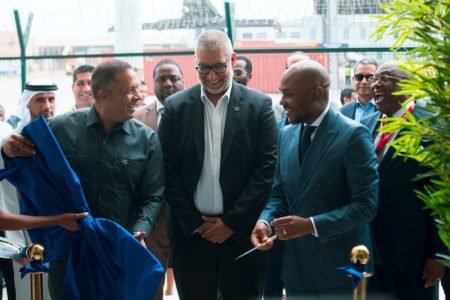
The foundation stone has also been laid for the 260 km branch line between Luena and Saurimo. Lourenço described it as the first railway project of this scale to be built from scratch since Angola's independence. He said the line was intended to facilitate passenger and freight movement, improve territorial integration and support economic activity in the region.
On the existing network, the government plans to invest in the rehabilitation of the 215 km Zenza–Cacuso section of the Luanda Railway. The President said the section had not benefited from rehabilitation since the end of the armed conflict. The proposed works are intended to address deterioration of the infrastructure and improve railway safety, mobility and operating efficiency.
For the Namibe Corridor, Angola has launched an international tender for a concession covering its operation, management and maintenance, using the model adopted for the Benguela Railway. The government says the concession is intended to improve service quality, modernise the railway infrastructure and increase operational efficiency.
Lourenço also reported investment exceeding US$750 million attracted to the Lobito Corridor, which he described as a competitive Atlantic route connecting Angola with Zambia and the Democratic Republic of the Congo. In setting out the government's railway priorities, he cited lower logistics costs, reduced pressure on roads, safer freight transport, a smaller environmental impact and greater regional integration as reasons for investing in rail.
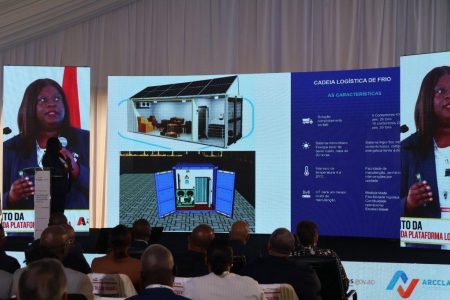
The broader policy is to develop transport and logistics corridors alongside productive sectors, including agribusiness, processing of primary products, technology, innovation, tourism and services. Lourenço identified the consolidation of the Lobito Corridor as a regional and international logistics route and the creation of a National Network of Logistics Platforms among the government's priorities. He singled out the planned Caála Logistics Platform, which is intended to reduce agricultural losses and support exports.