Angola Plans New Railway Axis Linking Malanje, Cuito and Menongue

Angola’s proposed Malanje–Cuito–Menongue railway axis would create an internal connection between the country’s three main railway systems, improving the movement of goods between production areas, ports and major consumer markets. If implemented, it would strengthen the role of rail in Angola’s broader corridor and logistics strategy rather than leaving the network dependent on largely east–west lines serving individual ports.

The project also reflects a wider push to align transport investment with agricultural production, logistics platforms and domestic distribution. Better rail, road, storage and cold-chain infrastructure could reduce losses, improve market access for smaller producers and support Angola’s efforts to increase domestic production while reducing reliance on imports.

Angola Plans New Railway Axis Linking Malanje, Cuito and Menongue
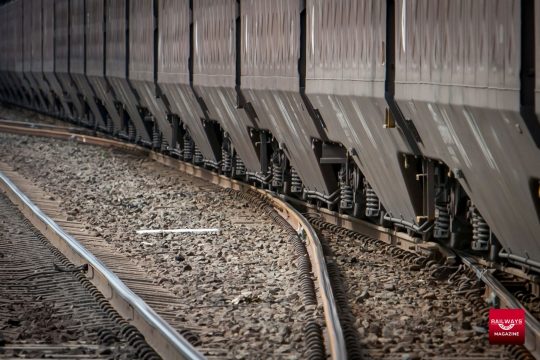
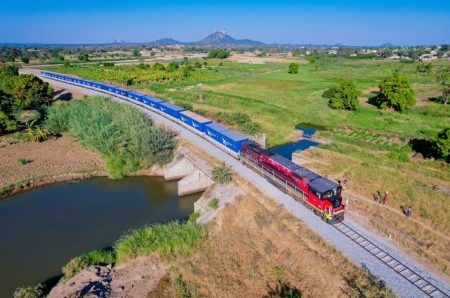
Rolling stock pictured on Angola's rail network. The specific line and location were not identified in the supplied source and should be confirmed before publication. Supplied Ministry of Transport- Angola


  • Angola is developing a new railway axis connecting Malanje, Cuito and Menongue.
  • The proposed link is intended to connect the country’s three railway lines.
  • The railway axis is aimed at improving the movement of goods between production centres and major consumer markets.
  • The project forms part of Angola’s wider development corridor and economic transformation strategy.
  • Angola is also developing logistics infrastructure to support agricultural distribution, storage and preservation.
  • The Caála logistics platform is implementing solar-powered refrigerated containers for cold storage, with similar facilities envisaged for Namibe and northern Angola.


Angola is developing a new railway axis connecting Malanje to Cuito and Menongue, linking the country's three railway lines and strengthening capacity to move goods to the country's main consumer markets, Transport Minister Ricardo Viegas D’Abreu said at the 23rd edition of CaféCIPRA, held on 19 August at the Dr. António Agostinho Neto Memorial in Luanda.

Viegas D’Abreu said the new link would place the central axis of the railway network “once again at the centre of the country,” bringing infrastructure closer to production centres and creating better conditions for the circulation of goods. “Today, we have, and taking advantage of the infrastructure we have, other ones that we are currently investing in, which are our railway lines connected to the ports,” he said.

The Malanje-Cuito-Menongue link forms part of the government's wider strategy of promoting development corridors and structural transformation of the Angolan economy, aimed at strengthening domestic production, reducing import dependence and increasing export capacity. Viegas D’Abreu said this requires coordinated action across the infrastructure, production and transport sectors, along with greater private sector participation.

Despite the rail investment, Viegas D’Abreu said roads remain by far the infrastructure that moves the most cargo in Angola, and he called for an increasingly efficient, safe and fast road network, particularly on routes connecting production zones to consumer markets.

He linked the country's infrastructure planning to demographic growth, saying Angola's population is expected to double within the next 20 to 25 years, requiring increased capacity for production, distribution and food preservation.

Family farming was identified as one of the segments most in need of an integrated logistics chain. Viegas D’Abreu said larger commercial producers are often able to fund a significant share of their own logistics to consumer markets, while family farmers face greater difficulty with transport, storage and preservation, contributing to agricultural losses where logistics infrastructure is inadequate.

He pointed to the logistics platform at Caála, developed with private sector partnerships, where a cold storage system using solar-powered refrigerated containers is being implemented to preserve agricultural produce before it reaches market. Viegas D’Abreu said the model should be replicated in other regions, including Namibe and areas of northern Angola.

Related News Articles