Angola and IFC Sign Agreement to Structure Northern Corridor Railway PPP

The agreement sets a public-private partnership as the route for developing the Northern Corridor between the Port of Luanda and Malanje, with IFC advising on how the transaction is structured.

The next step is the structuring work itself, which will determine the form the PPP takes.

Angola and IFC Sign Agreement to Structure Northern Corridor Railway PPP
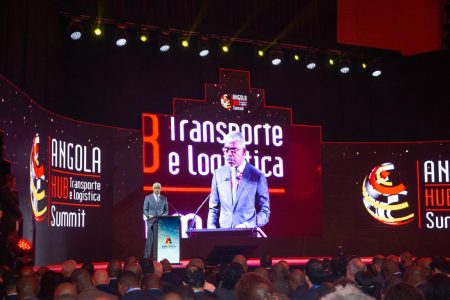
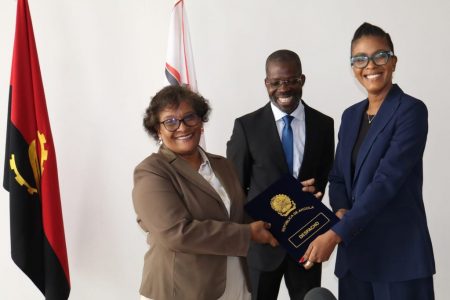
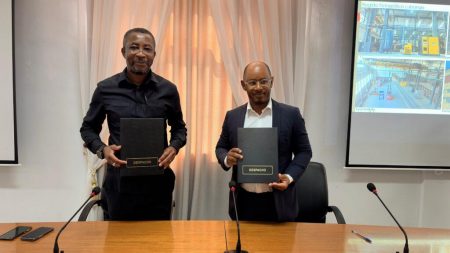
Legal instruments, including an agreement between Angola's Ministry of Transport and IFC, were signed at the second Angola Hub Transport and Logistics Summit in Luanda.

  • Angola's Ministry of Transport has signed an agreement with IFC on structuring a PPP for the Northern Corridor.
  • IFC, a member of the World Bank Group, is to provide specialised assistance in structuring the public-private partnership.
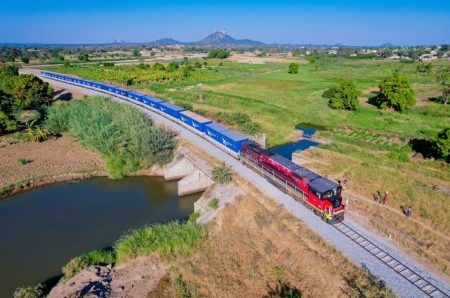
  • The Northern Corridor links the Port of Luanda with Malanje province.
  • A separate memorandum of understanding covers ONDJILA GREEN, a programme for 2,000 electric vehicle chargers and at least 1,000 electric buses.

Angola's Ministry of Transport has signed an agreement with the International Finance Corporation (IFC), a member of the World Bank Group, under which IFC is to provide specialised assistance in structuring a public-private partnership (PPP) for the development of the Northern Corridor between the Port of Luanda and Malanje province.

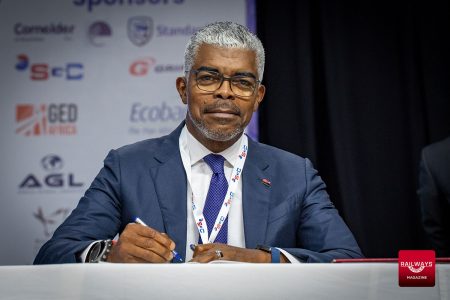
Transport Minister Ricardo de Abreu announced the agreement on 28 September at the official opening of the second Angola Hub Transport and Logistics Summit in Luanda, where the Government says the instrument was signed.

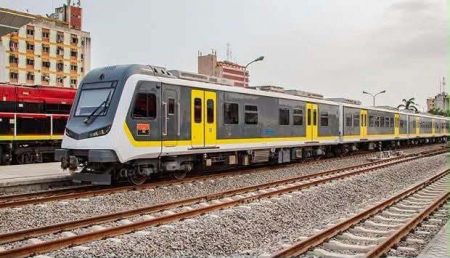
De Abreu described the Northern Corridor as a strategic component of Angola's national railway modernisation process, serving areas with mineral, agricultural, industrial and commercial potential. In his view, linking railway modernisation with the development of national production is fundamental to ensuring that investment in transport contributes effectively to economic diversification.

At the same event, the minister announced ONDJILA GREEN, a programme for a national electric vehicle charging network that provides for the installation of 2,000 chargers and the phased introduction of at least 1,000 electric buses. It is to be implemented through a memorandum of understanding between the Ministry of Transport, the Fundo Soberano de Angola and Opaia Motors.

De Abreu said the growth of Luanda and the country's other main cities required integrated solutions capable of increasing public transport capacity, improving daily travel and making more efficient use of existing infrastructure.

“Structuring urban transport projects, including railway systems and bus rapid transit systems, form part of this modernisation perspective, requiring appropriate coordination between infrastructure, operations, financing and sustainability,” he said.

Related News Articles