The Accra Convention establishes a uniform legal framework for negotiable cargo documents covering goods in transit, regardless of the mode of transport. For the rail freight and logistics sectors, its relevance lies in providing for documents that can be issued and used in either paper or electronic form, with defined legal effects and clear provisions governing the rights and liabilities of document holders. The Convention is intended to facilitate trade finance and enable goods to be sold while in transit.
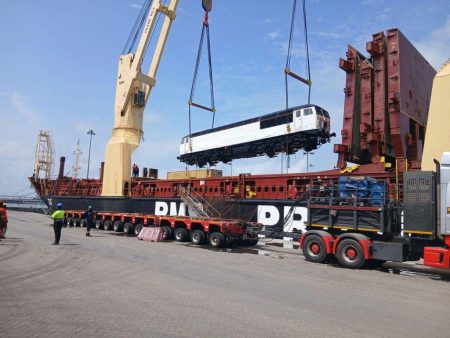
The Convention also supports multimodal transport by providing a legal framework for negotiable cargo documents that is not restricted to a single transport mode. This is particularly relevant to freight movements involving rail, road and maritime transport, where goods pass through different stages of a logistics chain. With 26 States signing the Convention at the opening ceremony in Accra, attention now turns to its adoption and implementation within national legal frameworks, which will determine its practical application to international freight movements.
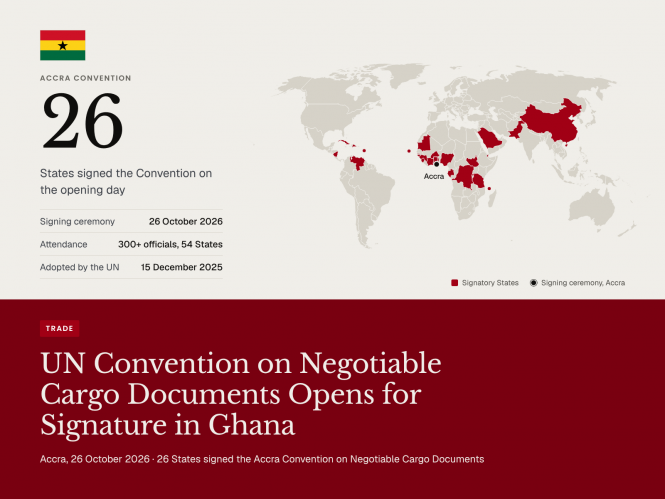
- The United Nations Convention on Negotiable Cargo Documents, known as the Accra Convention on Negotiable Cargo Documents, opened for signature at a ceremony in Accra, Ghana, on 26 October 2026.
- Twenty-six States signed the Convention at the ceremony, including Ghana, Nigeria, the Democratic Republic of the Congo, Rwanda and the United Republic of Tanzania.
- The Convention was prepared by the United Nations Commission on International Trade Law (UNCITRAL) and adopted by the United Nations General Assembly on 15 December 2025.
- It establishes a uniform legal framework for negotiable cargo documents, in paper or electronic form, representing goods in transit regardless of the mode of transport.
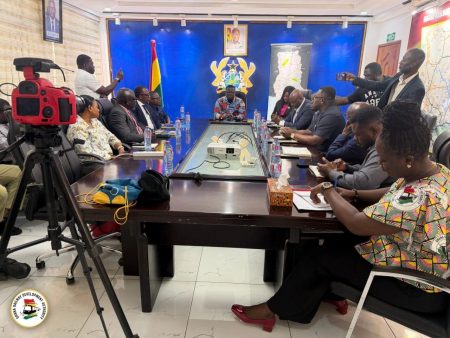
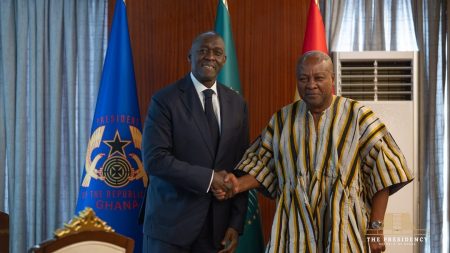
The United Nations Convention on Negotiable Cargo Documents (the “Accra Convention on Negotiable Cargo Documents”) opened for signature at a ceremony in Accra, Ghana.
A total of 26 States signed the Convention at the ceremony on Monday, 26 October 2026: Ghana, Sierra Leone, Burkina Faso, Cabo Verde, China, Comoros, Côte d'Ivoire, Cuba, Democratic Republic of the Congo, Djibouti, Dominica, Dominican Republic, Gabon, Gambia, Guinea, Guinea-Bissau, Mauritania, Nicaragua, Nigeria, Pakistan, Rwanda, Saudi Arabia, South Sudan, Togo, United Republic of Tanzania and Venezuela. The ceremony was attended by more than 300 senior officials and representatives from 54 States.
The signing ceremony was followed by an international symposium, which provided an opportunity to celebrate UNCITRAL's achievements over the past six decades and explore the practical benefits of the Accra Convention on Negotiable Cargo Documents from various industry perspectives.
The symposium focused on the role of negotiable cargo documents in advancing digital trade, strengthening regional connectivity, facilitating trade and promoting economic integration. It also highlighted the contribution of UNCITRAL's transport law texts to the development of modern, predictable and harmonised legal frameworks for international trade.
The Accra Convention on Negotiable Cargo Documents was prepared by UNCITRAL and adopted by the United Nations General Assembly on 15 December 2025.
It establishes a uniform legal framework governing the issuance and use of negotiable cargo documents (NCDs), in either paper or electronic form, representing goods in transit, regardless of the mode of transport.
By providing clear rules governing the issuance and use of NCDs, including their legal effects and the rights and liabilities of NCD holders, the Convention aims to facilitate trade finance, enable the sale of goods in transit, promote multimodal transport and support the digitalisation of international trade.
The General Assembly has called upon governments and regional economic integration organisations seeking to modernise their legal frameworks for negotiable transport documents to consider becoming Parties to the Convention.
More information about the Convention is available on UNCITRAL's website: https://uncitral.un.org/en/ncdconvention.
The United Nations Commission on International Trade Law (UNCITRAL) is the core legal body of the United Nations system in the field of international trade law. Its mandate is to remove legal obstacles to international trade through the progressive modernisation and harmonisation of trade law.
UNCITRAL prepares legal texts covering several key areas, including international commercial dispute settlement, electronic commerce, insolvency, international payments, the sale of goods, transport law, procurement and infrastructure development.
UNCITRAL also provides technical assistance with law reform activities, helping Member States review and assess their law reform needs and draft the legislation required to implement UNCITRAL texts.
The UNCITRAL secretariat is based in Vienna, Austria. For more information, visit https://uncitral.un.org.