EU Approves €20 Million Grant for Tema–Mpakadan Railway Signalling Upgrade

EU Approves €20 Million Grant for Tema–Mpakadan Railway Signalling Upgrade
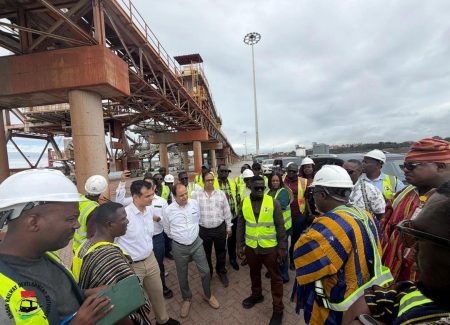
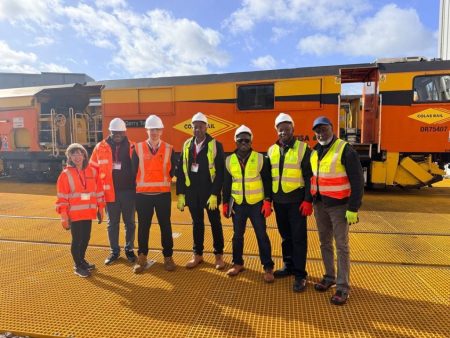
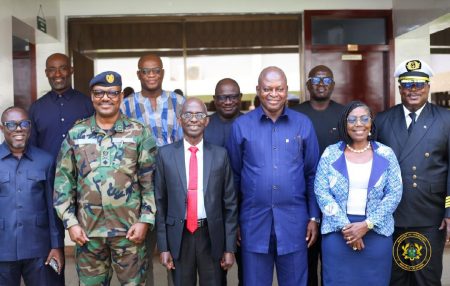
© GRDA PRO officials.
The approval of this grant signals a decisive step towards unlocking the full operational and economic potential of the Tema–Mpakadan corridor. With modern signalling in place, the line is poised to transition from constrained operations to a fully functional, high-capacity railway system. The future of Ghana’s transport infrastructure is firmly on track—powered by rail.

The Ghana Railway Development Authority (GRDA) has secured a major milestone in its railway modernisation agenda, following the approval of a €20 million grant by the European Commission Strategic Steering Committee for the upgrade of signalling systems on the Tema–Mpakadan Railway Line.

The funding will support the implementation of the European Train Control System Level 1 (ETCS Level 1), a critical intervention aimed at resolving longstanding operational constraints on the corridor.

This approval marks the successful completion of the project’s identification phase, representing a key step in the European Union’s project appraisal and financing framework.

Project Timeline and Next Steps

The project will proceed through the following stages before full financial commitment and disbursement:

  • May 2026: Quality Review Committee (QRC) assessment
  • September 2026: Validation by the NDICI Committee (EU Member States)
  • October 2026: Final EU Financing Decision
  • December 2026 (Target): Disbursement of funds, subject to the Government of Ghana processes

The grant approval was formally announced in Brussels on 27 March 2026, following high-level technical engagements with EU interoperability teams. It was subsequently reaffirmed during Ghana’s participation at the EU–Africa Business Forum in Abidjan.

Addressing Operational Constraints

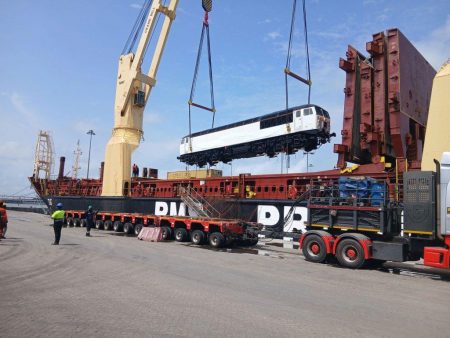
The Tema–Mpakadan railway line, commissioned in 2024, at an estimated cost of US$449 million, is currently operating below its intended capacity due to non-functional signalling infrastructure. Presently, operations are limited to a single train movement at any given time, significantly restricting throughput and efficiency despite increasing passenger demand.

The deployment of ETCS Level 1 signalling is expected to fundamentally transform operations on the corridor by enabling:

  • Safe and controlled multiple train movements through continuous supervision and movement authority
  • Increased line capacity and operational reliability
  • Enhanced safety assurance and traffic management capabilities
  • Optimised utilisation of a strategically significant national transport asset

Strategic Significance

The grant reflects a deliberate policy shift towards leveraging grant-based and concessional financing mechanisms in response to prevailing fiscal constraints. It also underscores the strength of bilateral cooperation between Ghana and the European Union in advancing sustainable transport infrastructure.

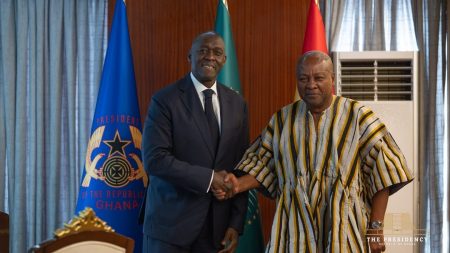
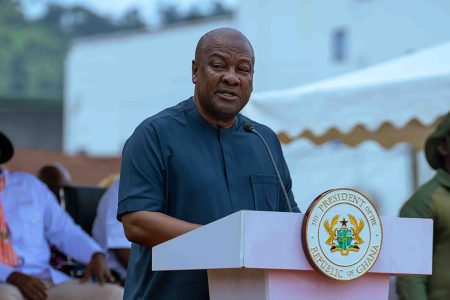
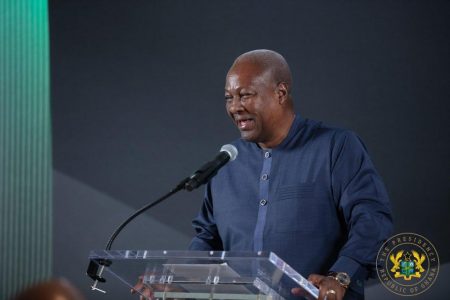
The initiative aligns with the broader national vision championed by John Dramani Mahama to revitalise the Volta Corridor and reposition Ghana’s railway sector as a backbone of economic transformation.

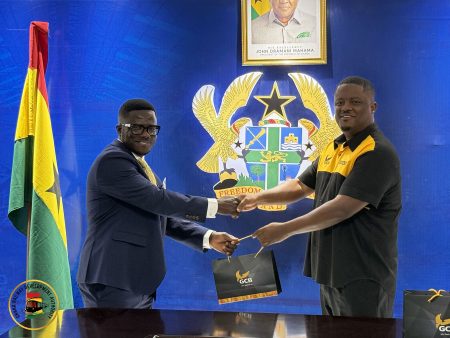
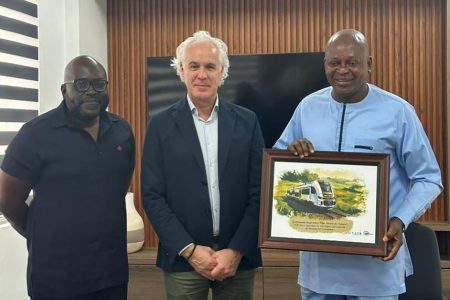
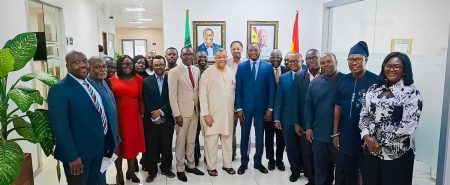
The GRDA has expressed appreciation to its Board and Management, as well as key European partners who played instrumental roles in advancing the project. Notable contributors include Pierre Ribette, Agnes Duband, Georgios Grapsas, and Graham Smith.

Related News Articles