On 12 March 2026, the Women in Rail Africa Taskforce held a webinar as part of the International Union of Railways (UIC) Africa Programme. The event also reflected the worldwide celebration of International Women’s Day on 8 March and brought together rail stakeholders to discuss progress and challenges in advancing gender equality across the sector.
In his opening remarks, François Davenne, UIC Director General, acknowledged the recent progress made, while highlighting that women remain underrepresented in technical, operational, and leadership roles across the rail sector. He also emphasised that there are considerable opportunities available to advance gender equality by strengthening regional cooperation, promoting inclusive organisational cultures, and ensuring that rail systems reflect the needs of all users.
Within UIC, gender equality has emerged as a priority for the African region, recognising that fairness in representation is also essential for innovation, resilience, and sustainable sector development.
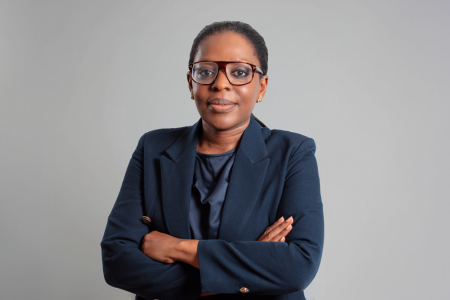
Nompumelelo Ekeke, Chair of the UIC Women in Rail Africa Taskforce and Chair of the Railway Safety Regulator (RSR) in South Africa, underlined the importance of creating more inclusive and safer rail environments worldwide. She also highlighted the launch of Women in Rail South Africa (WIRSA), a major milestone in transforming the gender landscape of the sector, where women currently represent only 21% of the workforce.
The webinar also featured a keynote presentation by Laura Petersen on the UIC Security Platform and initiatives related to women’s security in rail systems, including examples of measures implemented by railway companies. Participants were also introduced to UIC’s ongoing activities on gender equality through its project Train2BEqual.
The session concluded with an interactive training session led by Stand Up Against Street Harassment, which focused on responding to public harassment. The training provided participants with practical tools and guidance to help foster safer, more secure, and ever more inclusive spaces for passengers and railway staff alike.