LATRA Sets Rail Safety and Inspection Priorities for Tanzania’s MGR, SGR and TAZARA Networks

LATRA Sets Rail Safety and Inspection Priorities for Tanzania’s MGR, SGR and TAZARA Networks
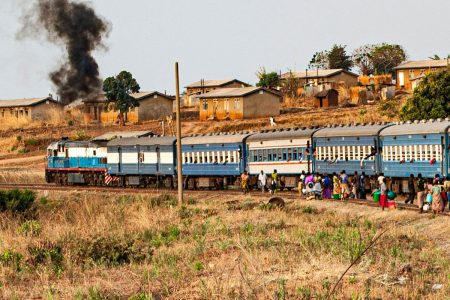
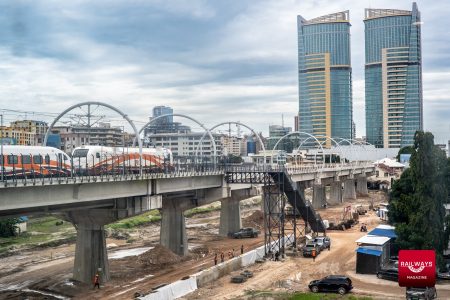
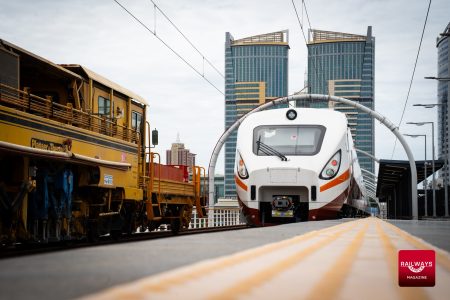
Photo Credit: ©Railways Africa // Craig Dean

Why it Matters

LATRA’s rail-focused priorities point to a more structured safety and regulatory framework for Tanzania’s railway sector. As the country manages both legacy MGR assets and newer SGR systems, inspection, certification and technical oversight will be critical to ensuring that railway infrastructure, equipment and systems are safe before use.

The inclusion of TAZARA and TRC trains in monitoring systems, together with the integration of TRC trains into the Core e-Ticketing System, also shows how rail is being brought into Tanzania’s wider digital transport ecosystem. For passengers, operators and Government, this supports better visibility, improved service access, stronger revenue control and greater confidence in regulated railway operations.

LATRA Sets Rail Safety and Inspection Priorities for Tanzania’s MGR, SGR and TAZARA Networks
Photo Credit: ©Railways Africa // Craig Dean

Tanzania’s Land Transport Regulatory Authority (LATRA) has a broad mandate covering road, rail and cable transport. Its rail-related responsibilities are becoming more prominent as Tanzania continues to modernise railway infrastructure, strengthen safety oversight and integrate rail services into national digital transport systems.

Under its land transport regulatory mandate, LATRA is responsible for the supervision of service charges, competition, performance monitoring and the quality of regulated services. For the railway sector, this places rail within a formal regulatory framework covering safety, service standards, fare-related oversight, operational performance and user protection.

One of LATRA’s key rail-related functions is safety monitoring. The authority has continued to use the Vehicle Tracking System (VTS) to strengthen safety by monitoring the movement of buses travelling to regions and neighbouring countries, as well as TAZARA and Tanzania Railways Corporation (TRC) trains. The inclusion of TAZARA and TRC trains in this monitoring framework shows the extension of digital oversight tools into railway operations, supporting improved visibility and a more data-informed approach to transport safety.

LATRA’s role also extends to the inspection and certification of railway infrastructure, equipment, facilities and systems. In the 2026/27 financial year, the authority plans to conduct safety and quality inspections of TRC railway infrastructure, equipment, facilities and systems, including the certification of Meter Gauge Railway (MGR) and Standard Gauge Railway (SGR) equipment before use. This certification process is important in ensuring that railway equipment is assessed before entering service, supporting operational safety and reducing risk within the railway system.

The planned certification of both MGR and SGR equipment is particularly significant as Tanzania continues to manage existing railway assets while expanding its modern railway network. As SGR-related equipment and systems become more central to national rail operations, inspection and certification before use will be essential to ensuring that infrastructure, rolling stock and associated systems meet required safety and quality standards.

To strengthen its technical capability, LATRA also plans to procure modern railway infrastructure inspection equipment. This is intended to improve railway transport safety and increase the efficiency of railway inspections. For the railway sector, modern inspection equipment can support more accurate, consistent and timely assessment of infrastructure condition, helping to strengthen risk management and regulatory confidence.

TAZARA is also specifically included in LATRA’s rail programme for 2026/27. The authority plans to inspect TAZARA infrastructure, wagons and locomotives on behalf of the Government of the United Republic of Tanzania. This reinforces LATRA’s role in railway safety oversight beyond the domestic TRC network and into assets that support regional rail connectivity.

Another important priority is the training of staff serving TRC and TAZARA railways. LATRA plans to conduct training for Safety Critical Workers in order to improve railway safety and services in the country. This recognises that railway safety depends not only on infrastructure and equipment, but also on the competence of personnel involved in operating, maintaining and managing railway systems.

Digitalisation is also becoming part of LATRA’s rail-related work. In collaboration with the Tanzania Revenue Authority (TRA), the e-Government Authority (eGA) and Tanzania Railways Corporation, LATRA completed and began using the Core e-Ticketing System (CeTS). The system enables passengers to purchase tickets for buses and TRC trains through the Safari Tiketi App, available on Android and iOS, or through tiketi.latra.go.tz.

For rail passengers, the inclusion of TRC trains in the Core e-Ticketing System supports easier access to ticketing and aligns railway services with Tanzania’s wider digital service-delivery agenda. The system allows passengers to buy tickets remotely through digital networks, reducing inconvenience and supporting more formalised passenger transactions.

The online ticketing system has also helped transport operators improve revenue control. While the detailed passenger and transaction figures provided relate to bus travel, the inclusion of TRC trains within the same platform is significant for rail because it places railway passenger services inside a broader regulated digital ecosystem. This supports transparency, service access and the gradual modernisation of passenger-facing rail systems.

LATRA’s broader work on fare setting, service charges and service-quality monitoring also has relevance for rail. The Government, through LATRA, continues to supervise charges and indicative fares for regulated services, particularly where market competition is not sufficient to protect the interests of both users and service providers. In the railway context, this oversight helps balance affordability, service sustainability and investment requirements.

The objective of this regulatory approach is to protect users, improve the operating environment for service providers and encourage sustainable investment in the sector. For rail, this is particularly important as Tanzania continues to develop and modernise services across both legacy and newer railway systems.

LATRA has set a 2026/27 internal revenue target of TZS 76.87 billion to finance recurrent expenditure and the implementation of its core responsibilities. Within the rail transport programme, its priorities are focused on safety and quality inspections, certification of MGR and SGR equipment, procurement of modern inspection equipment, inspection of TAZARA infrastructure and rolling stock, and the training of Safety Critical Workers.

These activities position LATRA as an important part of Tanzania’s railway safety and regulatory architecture. Its role is not limited to administrative oversight; it includes direct technical functions that determine how railway infrastructure, equipment and systems are inspected, certified and supported by trained personnel.

The authority’s work also supports public confidence in railway services. Regulation, inspection, monitoring and digital ticketing contribute to a more accountable passenger and freight transport environment.

Footnote

Written by Phillippa Dean

Related News Articles