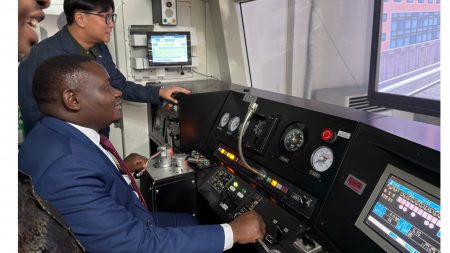
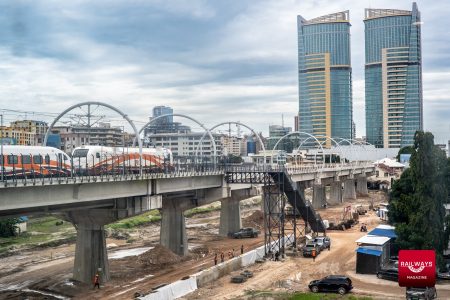
The United Republic of Tanzania will begin transporting cargo containers directly from the Port of Dar es Salaam through its electric Standard Gauge Railway (SGR) network from June 1, marking a major step in the country’s efforts to modernise regional trade and logistics infrastructure.
The launch follows completion of the Port Link project, which directly connects the country’s main seaport to the SGR freight system and is expected to ease congestion, speed up cargo evacuation and strengthen Tanzania’s position as a regional transport hub serving East and Central Africa.
Under the new arrangement, containers arriving at the Tanzania Ports Authority-managed port will be transferred directly onto electric freight trains for transportation to inland destinations and neighbouring countries, including Zambia and the Democratic Republic of the Congo.
Officials say the integration of the port with the SGR network is expected to reduce delays in loading and unloading cargo, improve turnaround times and lower logistics costs for regional importers and exporters.
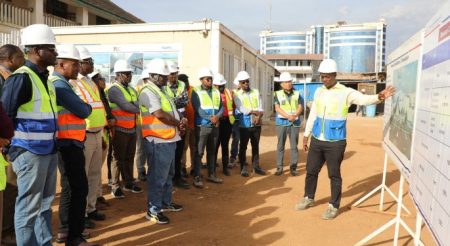
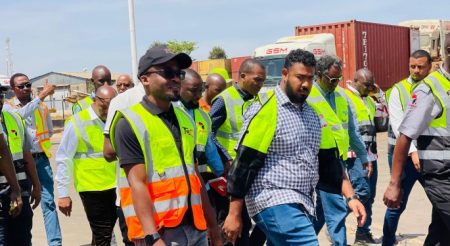
Speaking during a visit by the Parliamentary Standing Committee on Public Investment to the port in Dar es Salaam on Sunday, Tanzania’s Minister for Transport, Makame Mbarawa, said construction of the railway connection had been completed while work on a dedicated loading station was continuing.
“Our goal is to reduce container congestion at the port and improve cargo transportation to upcountry regions and neighbouring countries,” Prof Mbarawa said.
The direct cargo service will initially operate with 50 wagons, each capable of carrying two containers, allowing the railway to transport at least 100 containers daily before gradually increasing capacity to around 1,000 containers per day.
The project forms part of Tanzania’s wider infrastructure modernisation programme aimed at improving trade connectivity across the region and capturing a larger share of transit cargo destined for landlocked neighbouring countries.
The government is also implementing cargo transhipment measures designed to improve coordination between maritime and inland transport systems in order to accelerate cargo delivery and reduce costs for businesses.
Prof Mbarawa said the country’s existing Metre Gauge Railway (MGR) network would continue operating during the transition period to ensure uninterrupted cargo movement across domestic and regional routes.
The expansion comes amid growing competition among African ports and transport corridors seeking to attract trade linked to the African Continental Free Trade Area (AfCFTA) and rising intra-African commerce.
Chairman of the Parliamentary Standing Committee on Public Investment, Masanja Kadogosa, said the port improvements demonstrate Tanzania’s commitment to modernising strategic infrastructure and strengthening its role in regional trade and transportation.
A performance report presented during the visit by Tanzania Ports Authority Director General Plasduce Mbossa showed that revenue generated from port services rose sharply to 2.03 trillion Tanzanian shillings during the 2024/25 financial year, compared with 896.95 billion shillings recorded in 2020/21.
According to the report, cargo handled at the port increased from 16.27 million tonnes in 2020/21 to 27.76 million tonnes in 2024/25, while the number of ships handled rose from 1,512 vessels to 1,990 over the same period.
Mr Mbossa attributed the growth to increased cargo volumes and operational reforms, including the involvement of private operators such as DP World and TEAGTL in port operations.
Chairman of the Tanzania Ports Authority Board, Ernest Mangu, said the reforms and infrastructure investments are positioning Tanzania as a competitive logistics gateway capable of attracting more transit cargo from neighbouring countries.
He added that direct integration between the port and the SGR network is expected to further improve the competitiveness of the Port of Dar es Salaam within East and Central Africa by enhancing cargo clearance and transportation efficiency.
Why it Matters
The direct integration of the Port of Dar es Salaam with Tanzania’s electric SGR network creates a more efficient cargo pathway from maritime operations into inland and regional freight corridors. For importers, exporters and transit markets, the shift is aimed at reducing delays, improving turnaround times and lowering logistics costs.
The development also strengthens Tanzania’s competitive position as African ports and corridors compete for regional cargo linked to AfCFTA and growing intra-African trade. With port revenue, cargo volumes and vessel calls all rising, the rail-port link adds a strategic freight rail dimension to Tanzania’s wider infrastructure modernisation programme.