This content is for Premium Subscribers only. To view this content, login below or subscribe as a Premium Subscriber.
Related News Articles


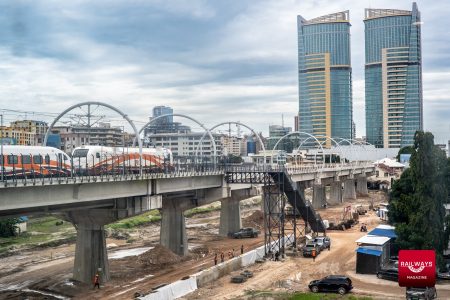
TRC Puts Tanzania's Agenda 2063 Rail Connectivity Progress at More Than 60%
21 September 2026
East Africa, Tanzania
2 min
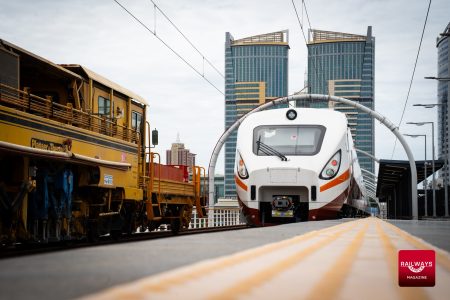
TRC Begins Preparations for Dar es Salaam Monorail Feasibility Study
21 September 2026
East Africa, Tanzania
2 min

Tanzania and South Korea Review SGR Rolling Stock Plan as EDCF Projects Advance
14 September 2026
East Africa, Tanzania
2 min


Zambian President Wants TAZARA Revitalisation Accelerated
08 September 2026
East Africa, Tanzania
2 min
GIZ Invites Bids for Rail Cold-Chain Investment Pipeline on Tanzania's Central Corridor
08 September 2026
East Africa, Tanzania
1 min
TRC Seeks Consultant for 120 km Kilosa-Gulwe-Igandu Rehabilitation Design
08 September 2026
East Africa, Tanzania
1 min
Project Watch | TRC Prepares 120 km Kilosa-Gulwe-Igandu Section for Rehabilitation
03 September 2026
East Africa, Tanzania
1 min
Burundi Expands Transport Planning as SGR Development Advances
03 September 2026
East Africa, Tanzania
1 min
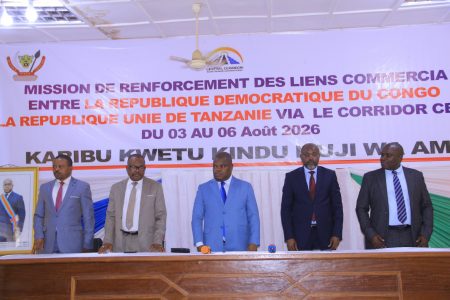
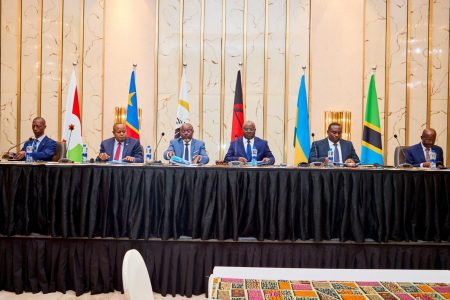
DRC and Tanzania Committed to Phased Rail Interconnection on Central Corridor
03 September 2026
East Africa, Tanzania
1 min


TAZARA Postpones Resumption of Mukuba Cross-Border Passenger Train Service
01 July 2026
SADC, Zambia
1 min