This content is for Premium Subscribers only. To view this content, login below or subscribe as a Premium Subscriber.
Related News Articles
Zambia Targets Walvis Bay Corridor and Namibia Fuel Pipelines
19 October 2026
SADC, Zambia
3 min

2 min
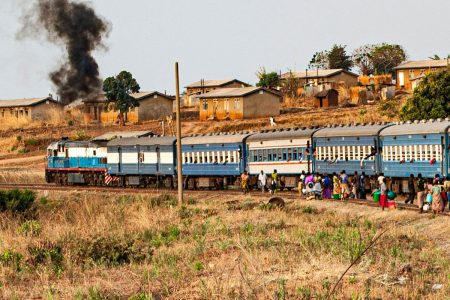
TAZARA Board Reviews Revitalisation and Approves Plan for Operational Recovery
14 October 2026
SADC, Zambia
5 min
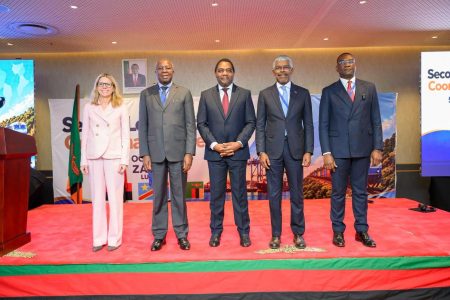
Zambia Vows to Close US$700 Million Lobito Railway Funding Gap
14 October 2026
SADC, Zambia
5 min
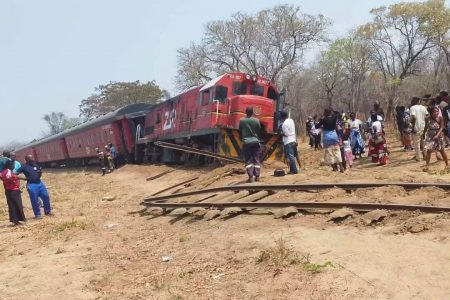
Zambia Railways Investigates Derailment of Passenger Train 358 on Mulobezi Line
07 October 2026
SADC, Zambia
1 min
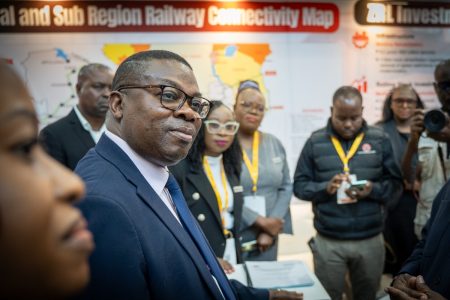
Zambia Railways and Managing Director Cuthbert Malindi Agree to Separate
02 October 2026
SADC, Zambia
1 min
Chirundu Border Upgrade Reaches Financial Close
25 September 2026
SADC, Zimbabwe
2 min
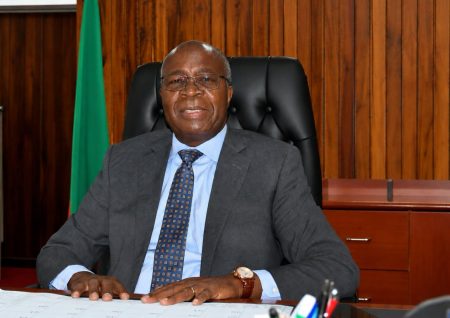
Zambia Steps Up Rail Investment as Commodity Production Targets Rise
25 September 2026
SADC, Zambia
3 min
Chirundu Border Upgrade Reaches Financial Close
25 September 2026
SADC, Zimbabwe
2 min
Zambia Seeks Consultant to Develop Rail Open Access Framework and Access-Fee Model
23 August 2026
SADC, Zambia
1 min
The Namibe Corridor is Entering a New Phase
16 August 2026
SADC, Zambia
1 min
Namibia to Host Walvis Bay–Ndola–Lubumbashi Development Corridor Headquarters
27 July 2026
SADC, Zambia
2 min
1 min
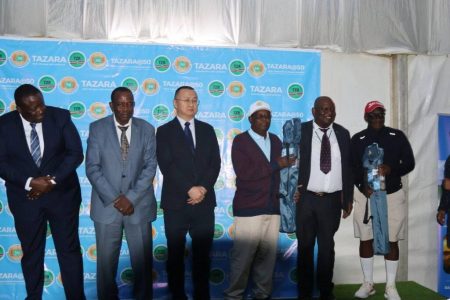
TAZARA Postpones Resumption of Mukuba Cross-Border Passenger Train Service
01 July 2026
SADC, Zambia
1 min