Zambia Railways and SNCC Target Up to 60% Increase in Cross-Border Rail Volumes

Zambia Railways Limited and Société Nationale des Chemins de Fer du Congo expect renewed cross-border rail operations to increase direct cargo volumes by up to 60% in 2026, with intermodal cargo volumes projected to rise by more than 50%. The agreement supports Zambia–DRC mining logistics, Copperbelt freight flows and future integration with the Lobito Corridor.

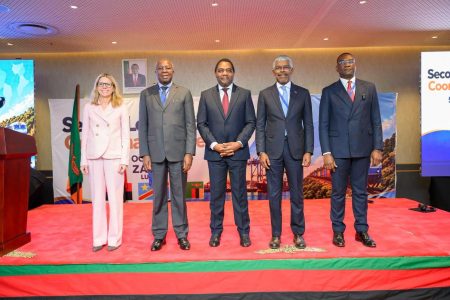
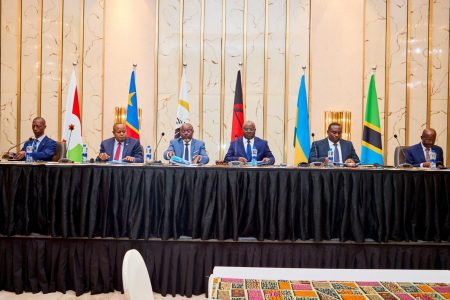
Zambia Railways Limited and Société Nationale des Chemins de Fer du Congo (SNCC) new cross-border rail operations business agreement will see an increase in cargo volumes moved between the two countries in 2026 compared to 2025.

The agreement will see significant growth in cross-border rail traffic with a 60% increase in direct rail cargo volumes and over 50% increase in intermodal cargo volumes, according to figures provided by Zambia Railways Limited.

Current volumes fluctuate depending on mining production, wagon availability, infrastructure condition and border efficiencies. However, the corridor has historically handled hundreds of thousands of tonnes annually in cross-border freight traffic.

Renewed Agreement to Lift Zambia–DRC Rail Freight

The renewed five-year agreement is expected to further improve operational coordination between ZRL and SNCC and enhance wagon turnaround times.

Demand is expected to rise steadily as mining output of copper and cobalt expands in both Zambia and the DRC, reinforcing the corridor’s role in regional freight movement.

Mining Growth Drives Demand for Rail Capacity

The renewed agreement directly supports regional mining growth ambitions. Zambia has publicly stated its ambition to raise copper production to approximately 3 million tonnes annually by 2031, while the DRC continues to expand copper and cobalt output.

Rail transport is critical to achieving these targets because it enables efficient bulk movement of mining inputs and outputs, reduces transport costs compared to road freight, minimises congestion and road damage and provides higher-capacity export logistics.

The renewed partnership, therefore, strengthens the logistics backbone needed to support increased mineral production and exports.

Copperbelt and DRC Mining Regions Remain Core Freight Markets

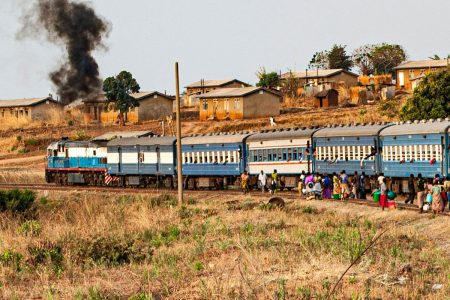
The Zambia–DRC rail corridor mainly handles bulk and heavy cargo linked to mining, manufacturing, energy, agriculture and regional trade. The major commodities transported include copper products, sulphur, zinc, coal and mealie meal.

The corridor plays a vital role in facilitating the movement of mining-related cargo and logistics between Zambia’s Copperbelt and the southern DRC mining region around Lubumbashi and Kolwezi.

Zambia Railways Limited, on average, moves over 100,000 tonnes per annum directly by rail between the two countries and over 150,000 tonnes indirectly through intermodal arrangements.

However, the volumes vary based on factors such as infrastructure condition, wagon availability and broader business dynamics.

Lobito Corridor Offers Strategic Export Opportunity

Zambia Railways Limited believes the Lobito Corridor represents a major strategic opportunity for both countries and rail operators.

Once the corridor is fully integrated, it will link Copperbelt mining traffic to the Atlantic port of Lobito in Angola through an expanded regional rail network, offering a shorter export route to international markets for copper and cobalt, faster transit times to global markets, lower logistics costs and diversification from traditional eastern and southern export routes.

SNCC already plays a key role within the DRC section of the Lobito Corridor, while Zambia is positioning its network to integrate into this western corridor system.

The renewed ZRL–SNCC agreement is therefore a critical preparatory step toward deeper regional integration under the Lobito Corridor framework, according to Zambia Railways.

Zambia Railways Advances Copperbelt Network Priorities

Zambia Railways is advancing several important strategic initiatives on the Zambian Copperbelt, including rehabilitation of sections of the rail network, including inter mine branch lines, revival of the Mufulira–Nkana railway line to support Mopani Copper Mines.

Other initiatives include enhanced cooperation with regional rail operators to improve cross-border operational efficiency.

The company is also working with cooperating partners and financiers to strengthen rail infrastructure supporting mining and regional trade growth.

Why Rail Matters for Regional Industrialisation

The renewed ZRL–SNCC agreement underscores the growing importance of rail in driving regional industrialisation, mining expansion and intra-African trade, according to the company.

With copper and cobalt becoming increasingly strategic minerals in the global energy transition, efficient rail logistics will be essential for Zambia and the DRC to maintain competitiveness in international markets.

The agreement also highlights a broader regional shift toward revitalising rail transport as a more sustainable and cost-effective alternative to heavy road haulage.

Why it Matters

The renewed Zambia Railways Limited and SNCC agreement strengthens one of Southern and Central Africa’s most important mining logistics links, connecting Zambia’s Copperbelt with the southern Democratic Republic of Congo mining region around Lubumbashi and Kolwezi. With copper and cobalt output expected to grow, rail capacity will be critical to moving bulk commodities, reducing road congestion and supporting more competitive export logistics.

The agreement also positions the Zambia–DRC rail corridor within the wider Lobito Corridor opportunity. As regional rail networks integrate further, Copperbelt mining traffic could gain access to a shorter Atlantic export route through Angola, improving transit times, reducing logistics costs and diversifying export options beyond traditional eastern and southern corridors.

Footnote

Written by Chamwe Kaira for Railways Africa

Related News Articles