Zambia Railways Managing Director Cuthbert Malindi has expressed optimism that the company can achieve its target of transporting 5 million metric tonnes of cargo per annum within the next five years, despite current volumes standing at approximately 800 000 metric tonnes annually.
Malindi described the state of the company as comparable to “a stool with three broken legs,” highlighting the scale of the challenges it faces.
He identified three primary constraints undermining operations, including ageing infrastructure, insufficient rolling stock, and operational inefficiencies. According to Malindi, the deteriorating rail infrastructure has resulted in significantly reduced train speeds, currently averaging between 15 and 20 kilometres per hour. He noted that the rail network in Zambia has not undergone adequate maintenance for an extended period, further compounding performance issues.
In addition to infrastructure challenges, the company lacks adequate rolling stock, including both locomotives and wagons. Zambia Railways currently operates around 13 locomotives, all of which are leased, a situation that places additional strain on operational efficiency. Malindi pointed out that these limitations have contributed to persistent inefficiencies across the company’s operations.
Despite these setbacks, Malindi indicated that the outlook for railway transport in southern Africa is improving, driven by several major regional infrastructure projects. These include the Lobito Railway, which links Angola, the Democratic Republic of Congo (DRC), and Zambia; the ongoing upgrade of the TAZARA Railway connecting Zambia and Tanzania; and the North-South Corridor, which connects the Copperbelt regions of Zambia and the DRC through Zimbabwe to ports in South Africa. He noted that these developments are expected to enhance regional connectivity and create new opportunities for rail transport.
Malindi further stated that Zambia Railways is strategically positioned in the market, as it operates as a monopoly while also owning the country’s railway infrastructure. However, he acknowledged that several private sector players are beginning to enter the rail transport space, introducing new competitive dynamics.
He also highlighted a regulatory gap between policy and implementation, noting that while Zambian law requires that 30% of cargo be transported by rail, actual volumes remain significantly below this threshold. In 2024, the highest volume in recent years, only 903,000 metric tonnes of cargo were transported via rail, underscoring the extent of the shortfall.
Addressing these challenges will require substantial investment, particularly in rehabilitating infrastructure and acquiring new rolling stock. In this regard, Zambia Railways recently secured a €50 million grant from the European Union to support the rehabilitation of key sections of the rail network. These include the line from Livingstone to Kapiri Mposhi, as well as the stretch from Kapiri Mposhi to Ndola on the Copperbelt, which serves as the company’s most profitable corridor due to mining activity.
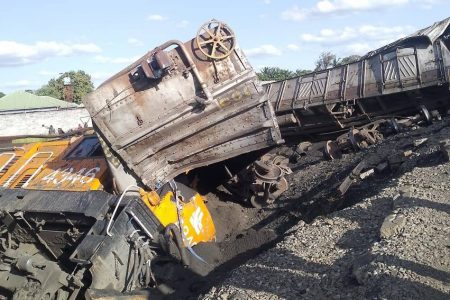
The 12-month rehabilitation project is expected to improve train speeds, reduce delays, and minimise the risk of derailments. This initiative represents phase one of a broader programme, with Malindi indicating that an additional US$113 million is expected to be mobilised from development finance institutions and private sector partners to complete the remaining works.
Looking ahead, the European Union has also signalled its willingness to support phase two of the project through the involvement of European investment institutions. This phase is expected to require between US$500 million and US$700 million in funding, reflecting the scale of investment needed to fully modernise the network.
Malindi emphasised that Zambia’s ambition to increase copper production to three million tonnes will place additional pressure on transport infrastructure, reinforcing the need for a functional and efficient rail system rather than continued reliance on road transport.
As part of efforts to improve capacity, Zambia Railways has also entered into an agreement with a South African company, Worldwide, to refurbish six locomotives by the end of the year, a move expected to partially address the shortage of operational equipment and enhance service delivery.
Written by Chamwe Kaira for Railways Africa Magazine