Zambia Modernises Nakonde Border as Rail Revival Gains Momentum

Zambia Modernises Nakonde Border as Rail Revival Gains Momentum
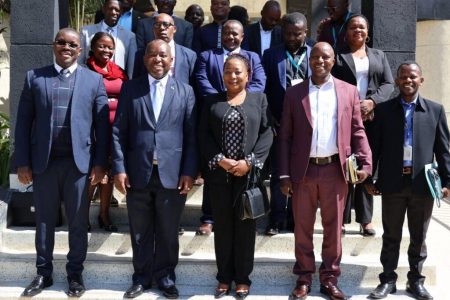
Photo: State House, Zambia

President Hakainde Hichilema has commissioned phase one of the upgraded Nakonde One Stop Border Post, a development that not only modernises trade infrastructure but also signals renewed momentum for railway connectivity in the region.

Positioned along the strategic Dar es Salaam and North–South corridors, the Nakonde crossing serves as a critical link between Zambia and Tanzania. Its upgrade comes at a time when the government is prioritising the revival of the Tanzania–Zambia Railway Authority, a key rail line connecting Zambia’s Copperbelt to the Port of Dar es Salaam. Together, the modern border facilities and a revitalised railway system are expected to transform how goods move across the region.

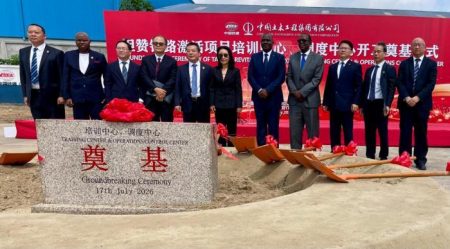
TAZARA was concessioned to China Civil Engineering Construction Corporation at the end of 2025 after Zambia, Tanzania and China signed a 30-year concession agreement aimed at revitalising the Tanzania–Zambia Railway Authority.

Speaking at the commissioning, Hichilema emphasised the importance of efficient trade corridors, noting that improved infrastructure at Nakonde would complement efforts to restore rail transport capacity. Faster border processing, combined with reliable rail services, is expected to reduce congestion on roads, lower transport costs and enhance the competitiveness of regional exports.

For years, underutilisation of both the Nakonde Border Post and rail infrastructure has constrained trade flows. Delays at the border, coupled with inefficiencies along the TAZARA railway, have pushed more cargo onto trucks, increasing logistics costs and slowing delivery times.

The upgraded One Stop Border Post, designed for faster, joint processing between Zambia and Tanzania, marks a shift towards integrated transport solutions, where rail and border systems work in tandem.

The new facility includes modern cargo scanning systems, expanded truck parking and warehousing. While these upgrades primarily support road freight, they also play a crucial supporting role for rail logistics by streamlining cargo transfers between rail and road at border points.

The government’s broader infrastructure push includes not only railway revitalisation but also energy and pipeline projects, all aimed at strengthening Zambia’s position as a regional transit hub.

Hichilema underscored this vision by stating that Zambia should be viewed not as landlocked, but as “land-linked”, with rail playing a central role in connecting inland production to seaports.

Nakonde’s transformation into a logistics hub is further supported by plans for a new international airport and continued investment in trade infrastructure.

Related News Articles