Lobito Corridor Countries Agree on Action Steps to Cut Costs, Boost Trade and Create Jobs

Why it Matters

  • Lobito Corridor Development Master Plan
    A shared implementation framework with clear milestones and coordinated follow-up across Angola, the Democratic Republic of the Congo and Zambia.
  • Common Definition of an Economic Corridor
    Agreement on a shared definition to ensure harmonised implementation across borders and sectors, with aligned standards and priorities.
  • Joint Investment Platform
    A mechanism to mobilise public and private capital at scale, linking transport and logistics infrastructure with industrial zones, production areas and processing hubs, while supporting investment in agribusiness, energy, urban development and SMEs.
  • Trade Facilitation and Border Reforms
    Measures to streamline procedures, reduce bottlenecks and improve the movement of goods and people along the corridor.

Angola, the Democratic Republic of the Congo (DRC) and Zambia have agreed on a set of coordinated actions aimed at accelerating the development of the Lobito Corridor and strengthening its role as a regional trade and logistics route.

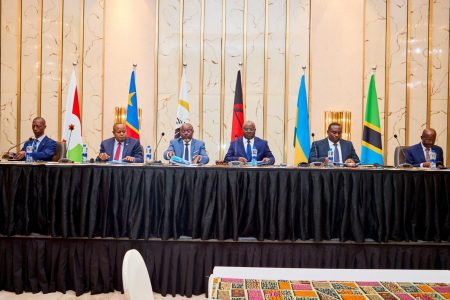
The agreement was reached during a coordination meeting hosted by Angola in Luanda in partnership with the World Bank, in February 2026. The meeting brought together ministers responsible for finance, transport, trade and infrastructure from the three corridor countries, along with development and financing partners including the African Development Bank, Africa Finance Corporation, the European Union, the European Investment Bank, the United Nations and the World Bank Group. Bilateral partners from France, Germany, Italy, Japan and the United States also participated.

Opening the meeting, Angolan President João Manuel Gonçalves Lourenço emphasised that the Lobito Corridor should be treated as a development corridor rather than simply a railway or logistics project. He called for a shift from coordination to implementation, stressing the need to resolve operational challenges, ensure the rail links across Angola, the DRC and Zambia function effectively, avoid duplication of initiatives and focus on outcomes that reduce trade and transport delays while opening the Atlantic gateway for regional growth.

For the three participating countries, which together are home to more than 30 million people, the corridor is intended to connect production areas with international markets and translate improved connectivity into economic activity, employment and enterprise development.

At the conclusion of the meeting, the governments agreed on several coordinated actions to accelerate implementation.

The first is the development of a Lobito Corridor Development Master Plan to establish a shared implementation framework, clear milestones and structured follow-up across the three countries.

The second is the adoption of a shared definition of an “economic corridor” to ensure harmonised implementation across borders and sectors, including aligned standards and priorities.

The third is the creation of a joint investment platform designed to mobilise capital at scale. The platform is intended to bring together public and private investment and link transport and logistics infrastructure with industrial zones, production areas and processing hubs, while also encouraging investment in sectors such as agribusiness, energy, urban development and small and medium-sized enterprises.

The fourth action focuses on trade facilitation and border reforms aimed at streamlining procedures, reducing bottlenecks and improving the movement of goods and people along the corridor.

The participating countries also agreed to expand technical assistance and capacity building, strengthen coordination mechanisms and enhance support for the Lobito Transport Trade Facilitation Agency.

As part of the ongoing coordination process, the Democratic Republic of the Congo was selected to host the second corridor coordination meeting.

For Zambia, the Lobito Corridor is viewed as a strategic national priority that could help diversify exports, reduce transport and logistics costs and provide more efficient access to Atlantic markets. Improved connectivity is expected to strengthen the competitiveness of sectors including mining, agriculture and value-added industries.

The transition from planning to implementation is also expected to create opportunities for Zambian companies in areas such as construction and engineering, logistics and freight services, and energy supply and related support services.

Once fully operational, the corridor is expected to support sustained private sector activity in freight handling, mineral processing, agricultural logistics and industrial park development, creating longer-term employment and business opportunities.

Related News Articles