National Transport Conference Signals Rail-Led Logistics Reform Drive in South Africa

National Transport Conference Signals Rail-Led Logistics Reform Drive in South Africa
© Railways Africa // Craig Dean

President Cyril Ramaphosa has positioned rail reform and logistics recovery at the centre of South Africa’s economic strategy, outlining a series of policy, operational and investment measures during his address at the inaugural National Transport Conference held on 16 March 2026 in Johannesburg.

Addressing government, regional and industry stakeholders, the President emphasised that transport is fundamental to economic performance, competitiveness and inclusive growth. He stated that inefficiencies in logistics are costing the South African economy close to R1 billion per day, underscoring the urgency of reform across rail, ports and broader supply chains.

National Transport Conference Signals Rail-Led Logistics Reform Drive in South Africa
© Railways Africa // Craig Dean

A key structural challenge identified is the imbalance in the freight network, with approximately 69 percent of freight currently transported by road. This has placed significant strain on road infrastructure and contributed to road safety challenges. Government policy is therefore focused on repositioning rail as the backbone of the national logistics system.

The reform agenda is anchored in the National Rail Policy of 2022 and the National Freight Logistics Roadmap of 2023. These frameworks are designed to facilitate private sector participation while retaining public ownership of strategic infrastructure, including rail lines and ports.

Through the establishment of the Transnet Rail Infrastructure Manager, open access to the rail network has been introduced. To date, train slots equivalent to 24 million tonnes per year have been conditionally allocated to 11 train operating companies, with the first private operator expected to commence operations in April 2027.

Government has set a target of moving 250 million tonnes of freight by rail by 2029. In the most recent financial year, rail volumes reached 160 million tonnes, representing a 5.5 percent increase year-on-year. Transnet reported revenue of R82 billion for 2024–2025, reflecting growth of nearly 8 percent compared to the previous year.

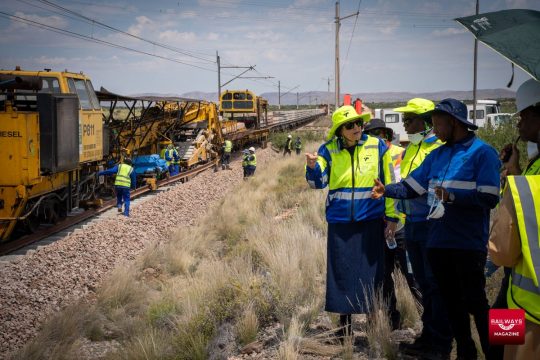
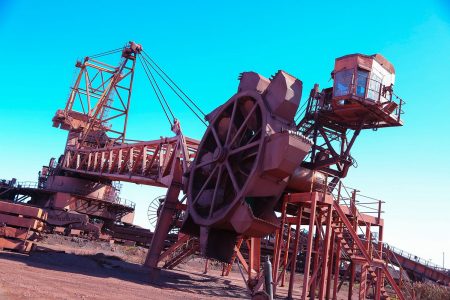
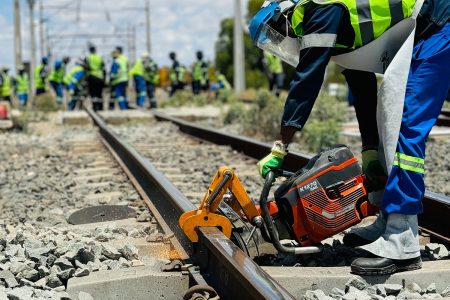
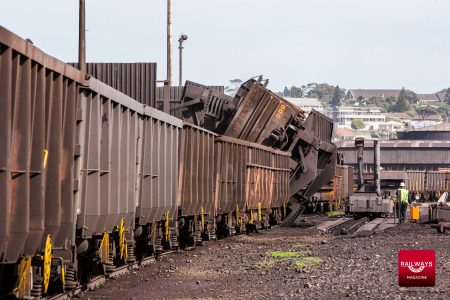
To address operational constraints, Transnet has initiated a broad upgrade and maintenance programme aimed at reducing backlogs and increasing port throughput. These efforts are supported by the National Logistics Crisis Committee, which has coordinated interventions across government and industry. Early improvements have been recorded on key export corridors, including coal and iron ore, alongside enhanced communication with customers and a reduction in security-related incidents on the rail network.

National Transport Conference Signals Rail-Led Logistics Reform Drive in South Africa
© Railways Africa // Craig Dean

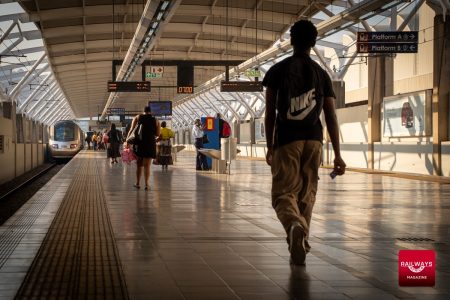
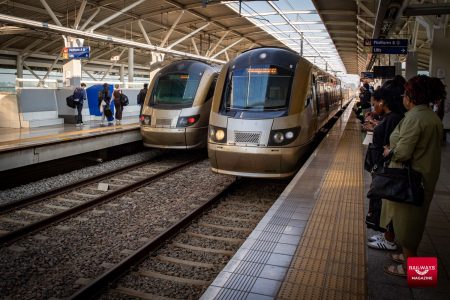
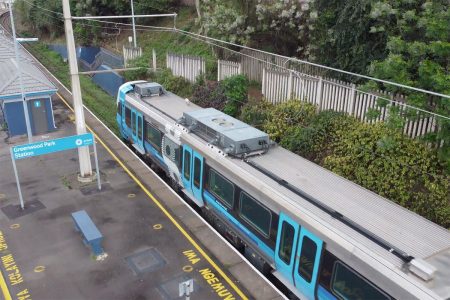
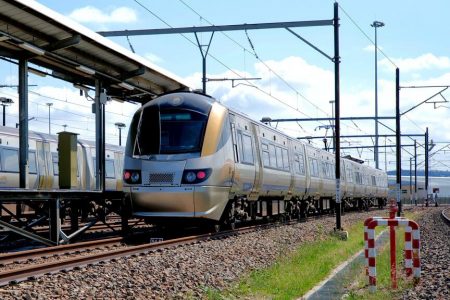
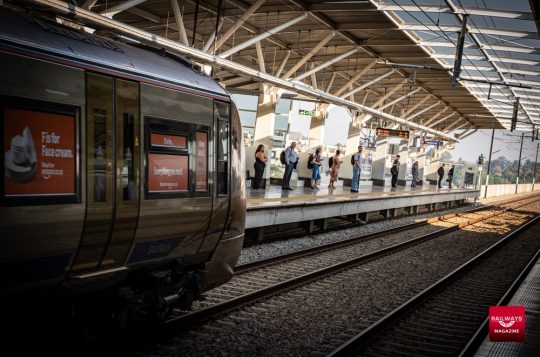
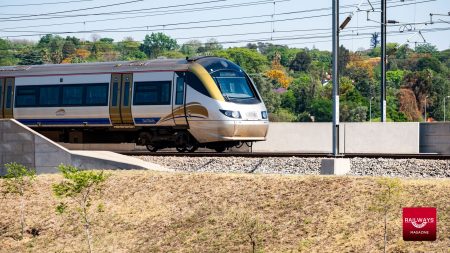
Passenger rail is also identified as a critical component of inclusive growth. The Passenger Rail Agency of South Africa has restored 37 of 40 priority corridors and introduced more than 300 locally manufactured train sets. Government is targeting 116 million passenger journeys in the current financial year, with a longer-term objective of reaching 600 million annual trips by 2029.

In parallel, a Request for Information has been issued to attract private sector participation in rapid regional rail, rolling stock and depot modernisation.

Beyond rail, the President highlighted the continued importance of road transport, noting the central role of the trucking and taxi industries in national mobility and logistics. At the same time, government is working to improve safety outcomes, with more than 12,000 road fatalities recorded annually and a target to halve this figure by 2030.

National Transport Conference Signals Rail-Led Logistics Reform Drive in South Africa
© Railways Africa // Craig Dean

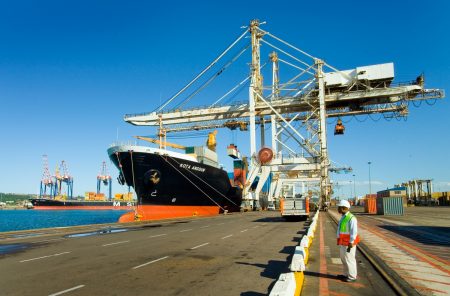
On the maritime side, South Africa’s ports are being positioned to respond to shifting global trade dynamics, particularly in light of disruptions to traditional shipping routes. With over 90 percent of trade by volume moving by sea, port performance remains a strategic priority.

The address also referenced broader continental integration initiatives, including the African Continental Free Trade Area and the Single African Air Transport Market, highlighting the need for improved connectivity across all transport modes.

The President concluded by proposing the establishment of a permanent Transport Council, bringing together government, private sector stakeholders and service providers across rail, road, maritime and aviation. This structure is intended to replicate the collaborative model used in the energy sector to stabilise and reform critical infrastructure.

The inaugural conference was positioned as a turning point, with government seeking to align policy, investment and operational reforms to deliver a modern, efficient and inclusive transport system capable of supporting economic growth and regional integration.

Related News Articles