Full implementation of the Rail Master Plan would require combined public and private investment of close to R2 trillion over the next 30 years at current prices.
South Africa has launched the Gauteng stakeholder engagement process for the Draft National Rail Master Plan, following Cabinet approval for public consultation on 1 April 2026.
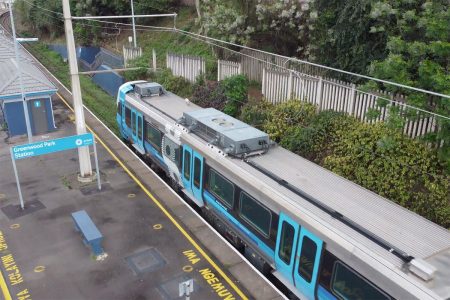
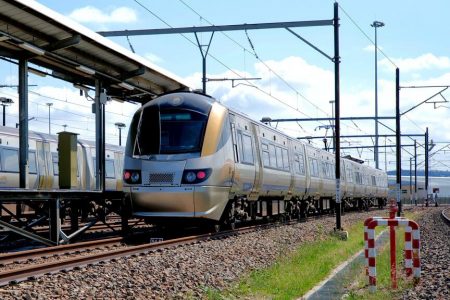
The Draft National Rail Master Plan sets out a long-term framework to position rail as the backbone of South Africa’s logistics and transport ecosystem. It covers both passenger and freight rail, including commuter rail systems and long-distance passenger rail, while recognising the role of rail in supporting households, communities and the wider economy.
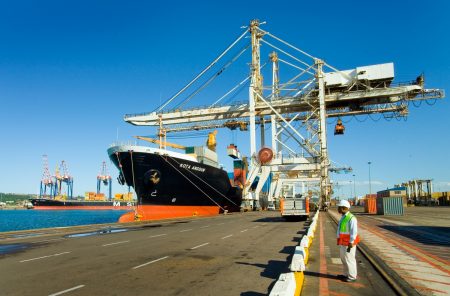
The plan identifies constraints and opportunities across the rail network, outlines required infrastructure improvements and network expansions and aims to rebalance freight movement between road and rail. This rebalancing is positioned as part of an integrated transport system in which rail works alongside trucking, taxis and buses.
The plan proposes a brownfield-led approach that seeks to optimise existing infrastructure and minimise cost. This is paired with targeted greenfield expansions where these are economically feasible and aligned with technological advances in the global rail sector.
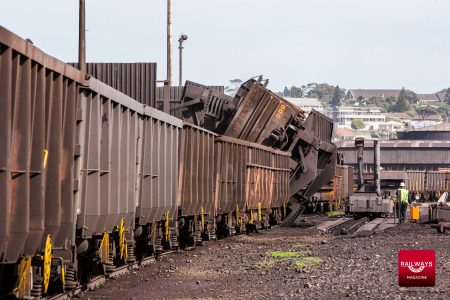
According to the address delivered by Minister of Transport Barbara Creecy at the Gauteng launch, South Africa’s rail system currently moves approximately 165 million tonnes of freight annually. However, research indicates that market demand for rail freight transport is closer to 280 million tonnes.
The underperformance of the rail network has wider economic consequences, including lost foreign exchange earnings and job losses where mining and agricultural products cannot be exported affordably and on time. It also contributes to congestion, road deterioration and safety concerns, which increase transport costs and reduce logistics efficiency.
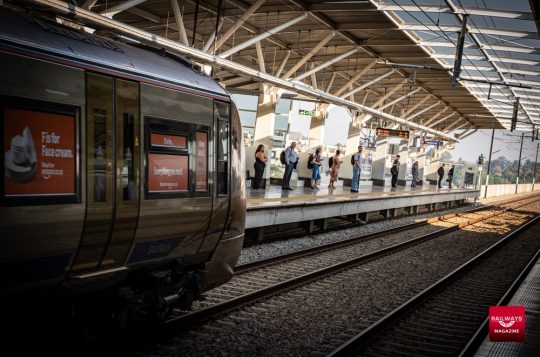
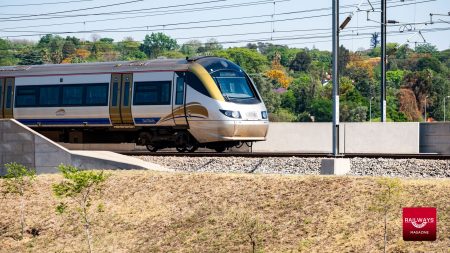
In the commuter sector, high transport costs continue to affect household income, while congestion leaves many commuters spending several hours a day on highways. A more effective commuter rail system is expected to lower household costs, reduce travel time, improve safety and expand access to income opportunities and services, particularly for low-income communities.
Full implementation of the Rail Master Plan would require combined public and private investment of close to R2 trillion over the next 30 years at current prices. Economic modelling referenced in the address indicates that every R1 million spent on large-scale infrastructure investment could increase GDP by R4.3 million. The investment is also expected to support industries such as steel, cement, logistics and engineering, while creating jobs and boosting household income.
A key shift in the Draft National Rail Master Plan is its emphasis on inclusive and consultative planning. The process is intended to move beyond traditional commercial and state-owned enterprise considerations by incorporating input from a wider range of stakeholders from the outset.
As part of this process, a centralised web-based platform has been launched to host the draft plan. The platform includes GIS mapping, interactive tools and a user manual, allowing stakeholders to review the plan and submit input.
Engagements will be scheduled across all provinces and with freight, passenger, commuter and labour formations. Consultation dates and venues for the various provinces will be published on the platform.
Public consultation is expected to conclude in July 2026. The National Rail Master Plan will then be submitted to Cabinet for consideration and approval.
The plan also provides for the establishment of a dedicated Rail Planning Component to maintain an up-to-date databank on passenger and freight flows, network capacity, asset condition and rolling stock fleets. This would allow the Master Plan to be updated annually and reviewed every five years.
The consultation process is being positioned as a substantive part of the planning process rather than a formality. Its objective is to support the development of an integrated logistics and transport system in which rail contributes to lower transport costs, safer and faster passenger journeys, reliable freight movement and broader economic opportunity.
Register and access the National Rail Master Plan at http://www.railmasterplan.co.z...