Nairobi County Executive Approves Phase I of the Nairobi Metropolitan Mass Rapid Transit System

The approval advances plans for a high-capacity public transport connection between Nairobi’s Central Business District and Eastlands, one of the city’s highest-density commuter areas. The proposed system is intended to reduce journey times and transport costs while relieving pressure on congested road corridors.

Integration with Bus Rapid Transit, pedestrian routes and last-mile non-motorised transport could establish a more connected metropolitan public transport network. The project is also intended to support employment during construction and operations while contributing to Nairobi’s sustainable urban development objectives.

Nairobi County Executive Approves Phase I of the Nairobi Metropolitan Mass Rapid Transit System
  • The implementation framework was approved during the 90th Nairobi County Executive Committee Meeting.
  • Phase I is centred on the CBD underground core and the Eastlands Line.
  • The system will prioritise Nairobi’s highest-density commuter corridors.
  • The proposed network is designed to integrate with Bus Rapid Transit routes.
  • Planning for Phase II is already under way.
  • Phase II proposes connections to Westlands, Ngong Road and Lang’ata Road.
  • Public participation and stakeholder engagement are expected ahead of the planned ground-breaking.
Nairobi County Executive Approves Phase I of the Nairobi Metropolitan Mass Rapid Transit System

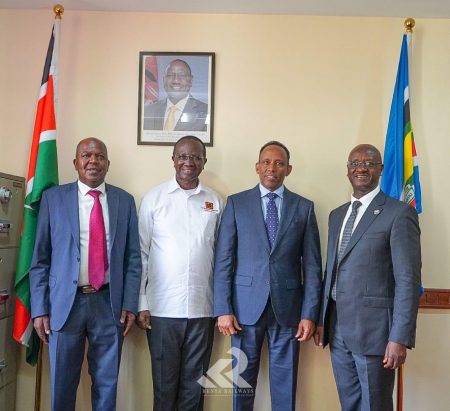
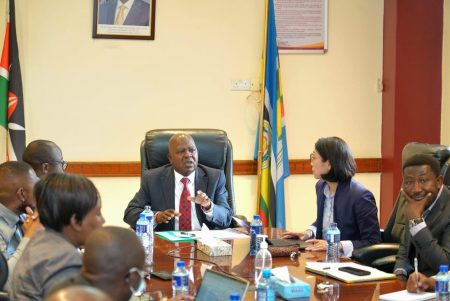
The Nairobi City County Government has officially approved the implementation framework for Phase I of the Nairobi Metropolitan Mass Rapid Transit System during the 90th County Executive Committee Meeting, chaired by Nairobi Governor Johnson Sakaja.

Developed in close technical collaboration with the Executive Office of the President, Phase I is centred on two principal mobility components: the Central Business District underground core and the Eastlands Line.

Following the Cabinet session, Governor Sakaja said the approval marked a decisive shift from planning to implementation in addressing Nairobi’s long-standing urban congestion challenges. The project is intended to reduce the hours commuters from Eastlands and across the metropolitan area lose in traffic, which continues to constrain economic activity.

The approval represents the County Government’s commitment to developing a modern, fast, safe and dignified public transport network. By integrating an underground route through the CBD with direct, high-capacity connections to Eastlands, the project is expected to reduce transport costs, support economic activity and contribute to the development of a cleaner and more sustainable city.

Phase I will prioritise Nairobi’s highest-density commuter corridors, providing a direct connection between Eastlands and the CBD central station network. The planned system is expected to reduce journey times and transport costs for hundreds of thousands of daily commuters.

The CBD underground core is intended to preserve critical surface space, reduce congestion in the city centre and provide integrated transport terminals connecting pedestrians, high-capacity public transport and last-mile non-motorised transport.

Beyond improving mobility, the project is designed to support local employment during construction and operations while reducing transport-related emissions in line with Nairobi’s smart and sustainable urban development agenda.

The implementation framework was presented by Dr Silvester Kasuku, Governance Adviser in the Executive Office of the President. Its approval reflects the collaboration between the National Government and the Nairobi City County Government.

Planning for Phase II is already under way to address growing commuter demand. The proposed expansion would extend direct connectivity to Westlands, Ngong Road and Lang’ata Road, while accommodating increasing traffic from Ongata Rongai, Ngong and the wider western areas of Nairobi.

The NMRTS network is also designed to integrate with Bus Rapid Transit routes at key interchange points across the city, creating a connected and more efficient public transport system.

The County Government is expected to begin public participation forums, stakeholder briefings with transport-sector partners and inter-agency implementation processes ahead of the planned official ground-breaking.

Download Project Presentation

Related News Articles