Kenya Railways Managing Director Philip Mainga has called for the implementation of the harmonised regional railway masterplan to unlock trade, reduce logistics costs, and accelerate economic integration across East Africa.
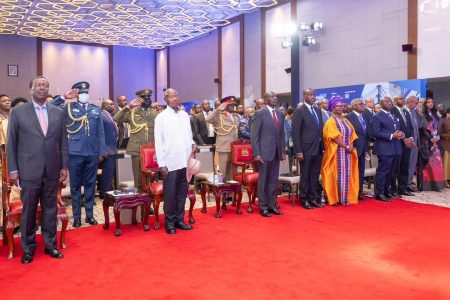
Speaking at the Tanzania–Kenya Business Forum 2026, held in Dar es Salaam, the Managing Director positioned Kenya Railways at the forefront of regional connectivity efforts, emphasising that seamless cross-border rail operations will be critical to unlocking private sector growth and investment.
“We need to implement the joint railway masterplan with standardised specifications that allow our trains to move across borders without barriers,” said Mainga. “This is how we break trade bottlenecks, decongest our roads and ports, and lower the cost of doing business across East Africa.”
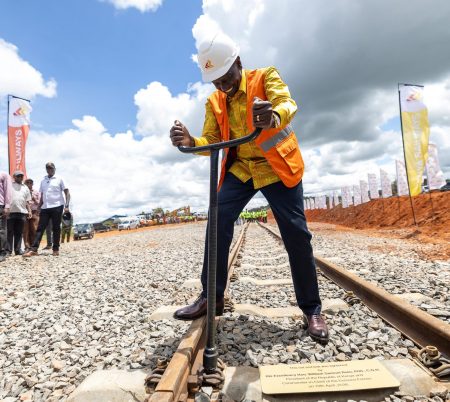
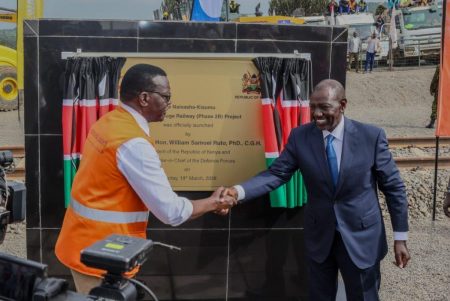
Kenya has already made significant progress through the Standard Gauge Railway, which runs from Mombasa to Naivasha. The upcoming extension to Kisumu and Malaba is set to further enhance connectivity with neighbouring countries.
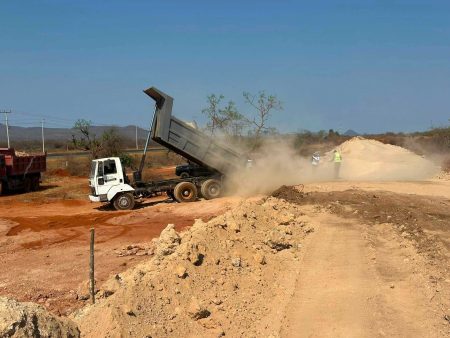
Mr Mainga underscored the strategic importance of linking Kenya and Tanzania’s railway networks, highlighting ongoing efforts to rehabilitate the Voi–Taveta railway line as a critical step towards strengthening cross-border integration.
He further highlighted the need to connect railway infrastructure to special economic zones and industrial hubs to maximise trade efficiency and support regional value chains.
Other speakers at the forum included Felchesmi Mramba, Permanent Secretary in Tanzania Ministry of Energy, and Masanja Kadogosa, Managing Director of Tanzania Railways Corporation.
Both underscored the importance of regional collaboration, noting that harmonised policies, a predictable business environment, and coordinated planning will be critical to attracting investment and ensuring the long-term success of railway projects across the region.
As trade volumes continue to grow across East Africa, stakeholders concluded that an integrated railway network will play a central role in advancing regional integration, improving competitiveness, and facilitating seamless movement of goods and people.