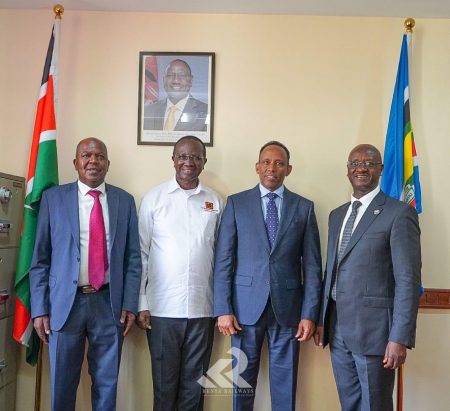
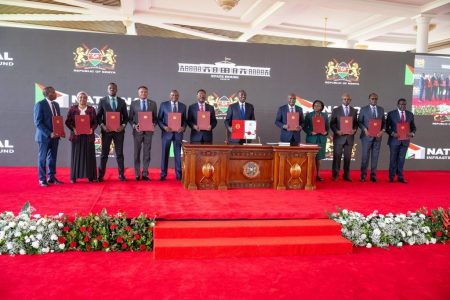
Kenya Railways Managing Director, Philip Mainga, recently convened a high-level stakeholders’ meeting to officially mark the kick-off of consultancy services for the Feasibility Study, Preliminary Design and Preparation of Bidding Documents for the Upgrading of the Nairobi Commuter Rail Network.
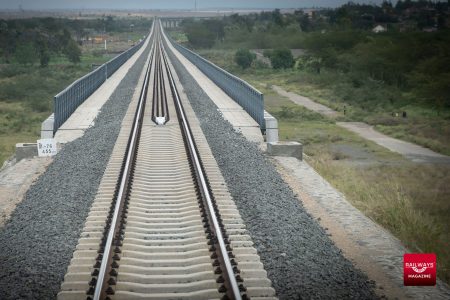
The consultancy, implemented under the Kenya Urban Mobility Improvement Project (KUMIP) and funded by the World Bank, aims to transform urban mobility within the Nairobi Metropolitan Area through the modernisation and expansion of commuter rail services.
The study will cover the entire Nairobi Commuter Rail Network, including existing lines and potential new corridors, with priority focus on the Nairobi Central Station (NCS) – Thika line.
The meeting brought together key stakeholders, including representatives from the Ministry of Roads and Transport, Nairobi and Kiambu County Governments, Nairobi Metropolitan Area Transport Authority (NAMATA), Kenya Railways and other implementing agencies.
In his remarks, Mr Mainga reaffirmed Kenya Railways’ commitment to modernising and expanding the national rail network, emphasising the critical role of commuter rail in easing congestion and improving mobility across Nairobi.
He underscored the need for integrated transport systems, noting that the project will align with key developments such as Railway City and other urban infrastructure initiatives to ensure seamless connectivity.
He further assured stakeholders of Kenya Railways’ full support and facilitation to guarantee the successful and timely delivery of the project.
World Bank’s Senior Urban Transport Specialist and Team Lead for KUMIP, Akiko Kishiue, commended Kenya Railways and all stakeholders for the progress made so far, culminating in the engagement of a consultant. She urged the consultant, Dar Al Handasah, to deliver high-quality work that would support the timely implementation of the project.