Kenya Passes Landmark National Infrastructure Fund Bill

Kenya Passes Landmark National Infrastructure Fund Bill

Kenya’s National Assembly has passed the National Infrastructure Fund Bill, 2026, introducing a new framework designed to transform how the country finances large-scale infrastructure development.

The legislation establishes the National Infrastructure Fund (NIF), a strategic investment vehicle intended to mobilise nearly Ksh 5 trillion over the next decade. The initiative represents a shift away from the country’s traditional reliance on debt-financed infrastructure toward a model focused on long-term investment and diversified capital sources.

The fund is expected to mobilise resources for major national infrastructure projects across multiple sectors, including transport, energy, water, irrigation and digital connectivity. Key investments are anticipated in highways, railway networks, airports, seaports, electricity generation and transmission systems, as well as strategic agribusiness infrastructure. These projects are viewed as critical to strengthening Kenya’s connectivity, trade capacity and overall economic growth.

Sponsored by Leader of the Majority Hon. Kimani Ichung’wah, the Bill was published on 23 January 2026 before progressing through Parliament. It was read for the first time on 12 February, passed its second reading on 3 March, and was subsequently approved at the Committee of the Whole House on 5 March before being transmitted to the President for assent.

A central feature of the new law is the creation of the National Infrastructure Fund as a platform to attract capital from non-traditional financing sources. These include domestic pension funds, collective investment schemes, sovereign wealth funds and climate finance institutions. By expanding the pool of potential investors, the government aims to support commercially viable infrastructure projects while reducing reliance on public borrowing.

The legislation also introduces a two-tier governance framework designed to strengthen oversight and professional management of the fund. A Governing Council will provide overall policy direction, while a Board of Directors will be responsible for implementing investment strategies and approving funding allocations for infrastructure projects.

Under the Act, the Governing Council will develop a five-year Investment Policy that will identify priority sectors, outline potential projects, define expected rates of return and set exposure limits for different sectors. The Board will then prepare detailed business plans and oversee project implementation, including commissioning feasibility studies to confirm the commercial viability of proposed investments.

Parliament will retain oversight through the approval of the Investment Policy, ensuring that projects funded through the NIF remain aligned with Kenya’s national development priorities.

Funding for the National Infrastructure Fund will come from several sources, including proceeds from privatisation, the sale of shares in government-linked corporations and returns generated through the fund’s investment activities.

The legislation also introduces strict penalties for the misappropriation of funds or assets, reflecting Parliament’s intention to safeguard public resources and maintain investor confidence in the new financing mechanism.

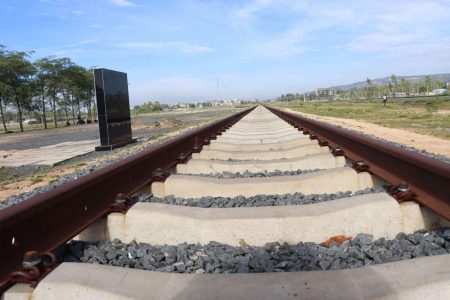
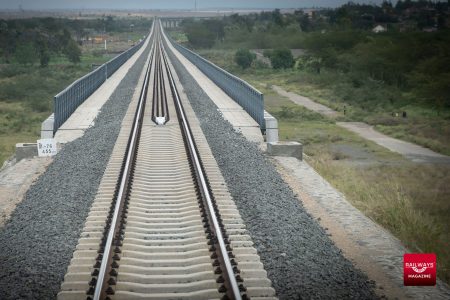
Once operational, the National Infrastructure Fund is expected to play a significant role in accelerating Kenya’s long-term infrastructure development, including the expansion of the country’s rail network and other strategic transport corridors.

Related News Articles