Kenya Railways Invites Market Engagement for Nairobi Urban Mobility Project

Why it Matters

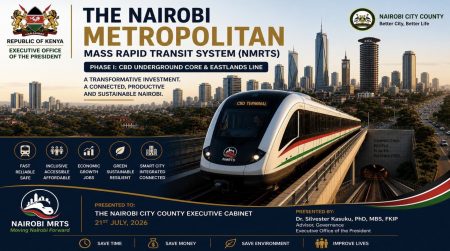
The Kenya Urban Mobility Improvement Project brings together several elements that are central to Nairobi’s rail-led mobility agenda: commuter rail upgrades, network electrification, new trainsets, station access improvements, maintenance facilities and transit-oriented development. The inclusion of the Nairobi Central Station–Thika commuter corridor positions rail as a core component of future metropolitan mobility planning.

For suppliers, contractors and technical partners, the early market engagement process is an important signal of upcoming procurement activity. Kenya Railways is using the consultation to test market capacity, pricing, procurement approaches, technology options and supply-chain risks before finalising the project procurement strategy.

Kenya Railways Corporation has invited private sector stakeholders and industry players to participate in an early market engagement session for the Kenya Urban Mobility Improvement Project (KUMIP), a Government of Kenya initiative being developed in partnership with the World Bank.

The project is intended to improve urban mobility within the Nairobi Metropolitan Area and support land-use planning along identified commuter rail corridors. It will also support urban policy formulation, institutional strengthening, improved commuter rail services, station access roads and transit-oriented development around railway stations.

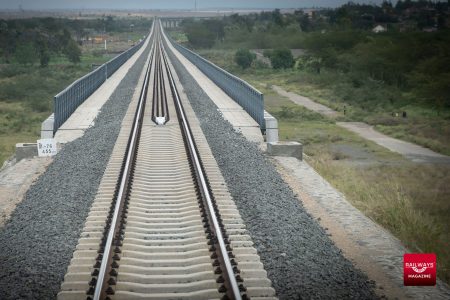
Key activities identified under the project include the development of the Nairobi Central Station–Thika commuter line, electrification of the Nairobi Commuter Railway Network, acquisition of Electric Multiple Units and Diesel Electric Multiple Units, and the planning and development of transit-oriented developments along the Nairobi Central Station–Thika commuter corridor.

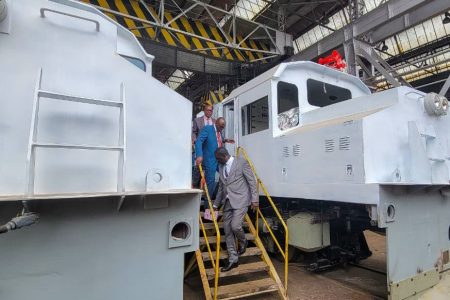
The programme also includes the development and equipping of maintenance workshops for electric and diesel-electric multiple units, the development of a manufacturing unit for rolling stock spare parts, permanent way fittings and fasteners, and the construction of prioritised access roads to commuter railway stations, including required multi-modal transfer facilities.

Other activities include the construction of the Likoni Road over-railway bridge and associated road approaches, the development of a concrete sleeper manufacturing plant, and the acquisition of maintenance rolling stock, including locomotives, ballast hopper wagons, low-sided wagons and low loaders.

Kenya Railways Corporation, together with other implementing agencies and county governments within the Nairobi Metropolitan Area, will spearhead implementation of the project activities. Procurement will follow the World Bank Procurement Regulations for Investment Project Financing borrowers.

The early market engagement meeting will take place on 24 June 2026 at the Railway Training Institute in South B, Nairobi, from 09:00 to 13:00 East Africa Time.

According to the notice, the meeting will provide general project information to private sector stakeholders, present expected procurement packages and implementing arrangements, and obtain feedback from potential vendors on the suitability and sustainability of the proposed project design.

Kenya Railways also aims to obtain feedback on procurement approaches, market trends, regional differences, pricing methods, alternative goods and services, new technologies and common supply-chain risks. The consultation will serve as a market-sounding exercise to support preparation of the project procurement strategy.

Interested parties have been requested to confirm attendance and facilitate online participation by emailing procure@krc.co.ke

Related News Articles