Preventing Locomotive Fires in Rail Operations: Lessons from a Diesel Locomotive Fuel Tank Fire Incident
Locomotive fires are rarely the result of a single failure. The Kenya incident shows how a wheel-related mechanical problem, damage to a fuel tank and an available ignition source can combine rapidly, turning an equipment defect into the loss of a locomotive, operational disruption and a potentially life-threatening emergency.
The strongest defence is to identify deterioration before a locomotive enters service and ensure crews can respond immediately when abnormal conditions emerge. Predictive maintenance, fuel-system integrity checks, tested fire-suppression equipment and competency-based training should be treated as essential controls for protecting railway employees, freight operations, assets and the environment.
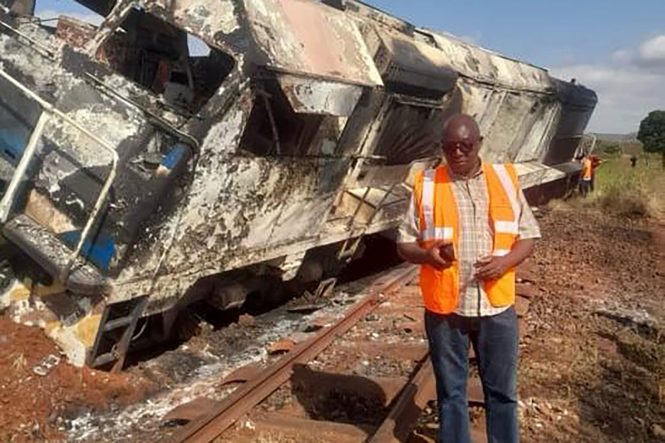
- The incident involved diesel-electric locomotive 9906 on the Mombasa–Nairobi railway corridor in July 2026.
- Initial observations indicated that a wheel-related mechanical problem generated sparks during operation.
- The sparks reportedly ignited diesel leaking after the locomotive’s fuel tank was damaged.
- The fuel tank had an approximate capacity of 4,000 litres.
- Recommended controls include thermal monitoring, vibration analysis and wheel-impact load detection.
- Fuel tanks, fuel lines, wheels, bearings, brakes and electrical connections require detailed pre-departure inspection.
- Automatic fire detection, suppression and emergency fuel shut-off systems should be tested regularly.
- Locomotive crews require practical training in early warning signs, emergency communication, firefighting, evacuation and incident reporting.
- Incident investigations should identify systemic maintenance and operational weaknesses rather than focusing only on the immediate cause.

By Willys Mugah Erick
Locomotive fires remain one of the most serious safety risks in freight railway operations due to the potential loss of equipment, environmental damage, operational disruption and threats to human life.
Although modern diesel-electric locomotives are designed with multiple safety systems, failures involving fuel systems, mechanical components, electrical systems and operational practices can still result in catastrophic incidents.
A diesel locomotive fire involving a freight locomotive operating in Kenya demonstrates how a wheel-related mechanical failure can generate sparks that ignite diesel fuel following damage to a locomotive fuel tank. The incident highlights the importance of proactive maintenance, wheel and traction equipment monitoring, fire prevention systems, emergency response preparedness and competency-based training for locomotive crews.
Railway safety management systems must move beyond reactive investigations and place greater emphasis on predictive risk management. This is particularly important in developing railway environments where operational challenges, resource limitations and ageing assets require stronger safety controls.
Understanding Locomotive Fire Risks
Railways remain one of the safest and most efficient modes of transporting bulk commodities worldwide. However, freight railway operations involve complex interactions between heavy machinery, fuel systems, electrical equipment, track infrastructure and human decision-making.
Locomotive fires represent a significant operational hazard because locomotives carry large quantities of diesel fuel and often operate in environments where immediate external assistance may not be available. A small mechanical defect can quickly escalate into a major fire when ignition sources, fuel leakage and delayed emergency response occur simultaneously.
Effective prevention requires a combination of engineering controls, disciplined maintenance, operational procedures and continuous workforce training.
Fuel system failures are among the most common locomotive fire risks. Diesel fuel leaking from damaged tanks, fuel pipes, injectors or connections can create a highly flammable environment when exposed to an ignition source.
Mechanical failures can also generate the heat or sparks needed to start a fire. Wheel defects, bearing failures, brake-related overheating and traction equipment problems all present potential ignition risks.
Electrical failures, including short circuits, insulation failures, damaged wiring and overheated electrical equipment, may initiate fires within locomotive compartments.
Human factors can further increase the severity of an incident. Poor inspection practices, delayed reporting of defects, inadequate emergency response skills and a weak safety culture can allow a manageable defect to develop into a major safety event.
Freight Locomotive Fire Incident in Kenya
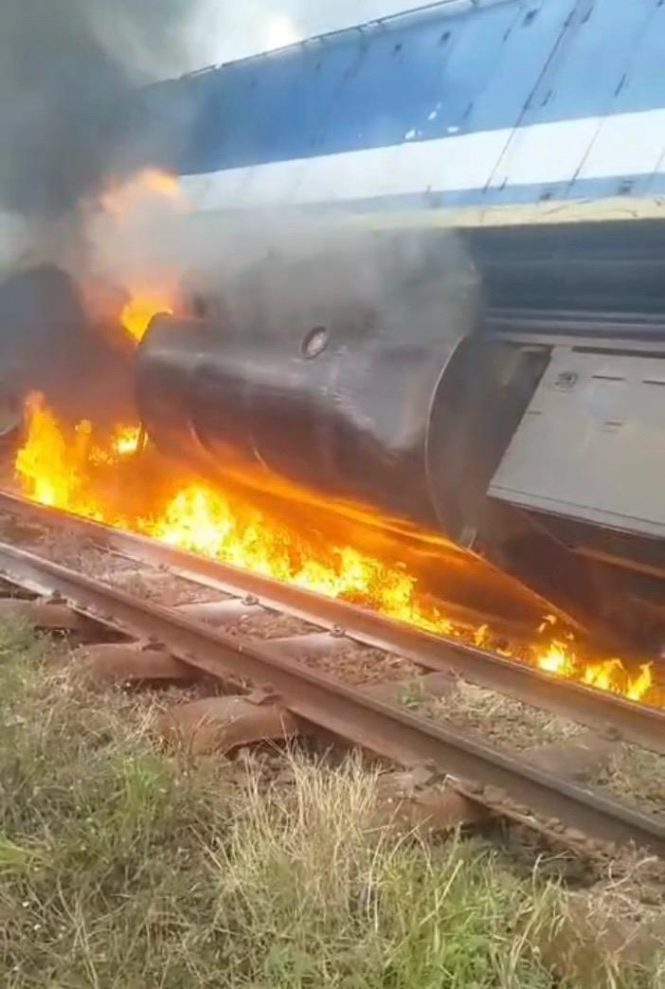
In July 2026, diesel-electric locomotive 9906, operated by a private mining company on the Mombasa-Nairobi railway corridor, experienced a serious fire while in service and was burnt to a shell.
Initial observations indicated that wheel-related mechanical problems generated sparks during operation. These sparks ignited leaking diesel fuel after the locomotive’s fuel tank was damaged. The tank had a capacity of approximately 4,000 litres.
The incident demonstrates how several risk factors can combine in quick succession. A mechanical defect created an ignition source, followed by a failure of the fuel containment system, rapid fire escalation and limited opportunity for intervention while the locomotive was moving.
This type of event highlights the need for a comprehensive approach to locomotive fire prevention.
Strengthening Pre-Departure Inspections
Locomotive inspections must go beyond basic visual checks. Locomotive crews and maintenance teams should pay particular attention to wheel condition, brake systems, bearings, suspension components, fuel tanks, fuel lines and electrical connections.
Inspections should also identify signs of overheating, abnormal vibration or other indications that mechanical or electrical components are not operating correctly.
Defects that appear minor during an inspection can develop into major safety events once the locomotive is in operation.
Predictive Maintenance and Condition Monitoring
Railway operators should adopt condition-based maintenance supported by thermal monitoring, vibration analysis, wheel impact load detection, automated defect detection systems and regular fuel tank integrity inspections.
Moving from corrective maintenance to predictive maintenance can significantly reduce the risk of catastrophic failures.
Continuous monitoring allows operators to identify deteriorating equipment before it fails in service. It also enables maintenance teams to intervene before mechanical defects create ignition sources or damage fuel containment systems.
Fire Detection and Suppression Systems
Modern locomotives should be equipped with automatic fire detection systems, engine compartment suppression systems, portable firefighting equipment and emergency fuel shut-off systems.
These systems must be inspected and tested regularly to ensure that they remain reliable and operational.
Fire detection and suppression equipment can limit the escalation of an incident, but only when it is correctly maintained and crews are trained to use it.
Competency-Based Crew Training
Locomotive crews are the first line of defence during an emergency.
Training programmes should include fire prevention awareness, early detection of abnormal operating conditions, emergency communication procedures, the use of firefighting equipment, first aid response, evacuation procedures and incident reporting.
Experienced railway personnel should also be actively involved in mentoring younger employees and transferring operational knowledge.
Competency-based training helps ensure that crews can recognise developing risks and respond correctly when an incident occurs.
Building a Strong Railway Safety Culture
Safety cannot depend only on rules and procedures. Operators must develop a culture in which employees can report defects without fear, supervisors encourage proactive intervention, maintenance teams receive adequate resources and safety performance is continuously reviewed.
A strong safety culture recognises that every employee has a responsibility to prevent accidents.
Collaboration between operational, engineering, maintenance and safety departments is also essential. Information about defects, equipment performance and incidents must be shared so that risks can be identified and addressed across the organisation.
Recommended Measures
Freight railway operators should introduce mandatory locomotive fire risk assessments and strengthen wheel, bearing and brake inspection programmes.
Advanced fire detection and suppression systems should be installed, supported by regular emergency drills involving train crews and response teams.
Operators should establish competency-based refresher training programmes and use incident investigations to identify systemic weaknesses rather than focusing only on immediate causes.
Stronger collaboration between operations, engineering and safety departments is required, together with visible safety leadership from management to frontline employees.
Locomotive fires are preventable when railway organisations adopt a proactive safety management approach. Reliable equipment, disciplined maintenance, competent personnel and a strong safety culture provide the best defence against catastrophic incidents.
Lessons from freight locomotive fire incidents demonstrate that prevention must begin long before a fire occurs. Railway operators must continue investing in technology, training and operational excellence to protect people, assets and the environment.
About the Author
Willys Mugah Erick is a Kenyan railway operations specialist with more than two decades of experience in locomotive operations, train management, rail traffic control, yard operations and railway training.
He has served as a locomotive engineer, yard operations team leader, rail traffic controller and railway instructor.
His professional interests include railway safety improvement, competency-based training and operational risk management.
Freight Locomotive Fire Incident in Kenya
In July 2026, diesel-electric locomotive 9906, operated by a private mining company on the Mombasa-Nairobi railway corridor, experienced a serious fire while in service and was burnt to a shell.
Initial observations indicated that wheel-related mechanical problems generated sparks during operation. These sparks ignited leaking diesel fuel after the locomotive’s fuel tank was damaged. The tank had a capacity of approximately 4,000 litres.
The incident demonstrates how several risk factors can combine in quick succession. A mechanical defect created an ignition source, followed by a failure of the fuel containment system, rapid fire escalation and limited opportunity for intervention while the locomotive was moving.
This type of event highlights the need for a comprehensive approach to locomotive fire prevention.
Strengthening Pre-Departure Inspections
Locomotive inspections must go beyond basic visual checks. Locomotive crews and maintenance teams should pay particular attention to wheel condition, brake systems, bearings, suspension components, fuel tanks, fuel lines and electrical connections.
Inspections should also identify signs of overheating, abnormal vibration or other indications that mechanical or electrical components are not operating correctly.
Defects that appear minor during an inspection can develop into major safety events once the locomotive is in operation.
Predictive Maintenance and Condition Monitoring
Railway operators should adopt condition-based maintenance supported by thermal monitoring, vibration analysis, wheel impact load detection, automated defect detection systems and regular fuel tank integrity inspections.
Moving from corrective maintenance to predictive maintenance can significantly reduce the risk of catastrophic failures.
Continuous monitoring allows operators to identify deteriorating equipment before it fails in service. It also enables maintenance teams to intervene before mechanical defects create ignition sources or damage fuel containment systems.
Fire Detection and Suppression Systems
Modern locomotives should be equipped with automatic fire detection systems, engine compartment suppression systems, portable firefighting equipment and emergency fuel shut-off systems.
These systems must be inspected and tested regularly to ensure that they remain reliable and operational.
Fire detection and suppression equipment can limit the escalation of an incident, but only when it is correctly maintained and crews are trained to use it.
Competency-Based Crew Training
Locomotive crews are the first line of defence during an emergency.
Training programmes should include fire prevention awareness, early detection of abnormal operating conditions, emergency communication procedures, the use of firefighting equipment, first aid response, evacuation procedures and incident reporting.
Experienced railway personnel should also be actively involved in mentoring younger employees and transferring operational knowledge.
Competency-based training helps ensure that crews can recognise developing risks and respond correctly when an incident occurs.
Building a Strong Railway Safety Culture
Safety cannot depend only on rules and procedures. Operators must develop a culture in which employees can report defects without fear, supervisors encourage proactive intervention, maintenance teams receive adequate resources and safety performance is continuously reviewed.
A strong safety culture recognises that every employee has a responsibility to prevent accidents.
Collaboration between operational, engineering, maintenance and safety departments is also essential. Information about defects, equipment performance and incidents must be shared so that risks can be identified and addressed across the organisation.
Recommended Measures
Freight railway operators should introduce mandatory locomotive fire risk assessments and strengthen wheel, bearing and brake inspection programmes.
Advanced fire detection and suppression systems should be installed, supported by regular emergency drills involving train crews and response teams.
Operators should establish competency-based refresher training programmes and use incident investigations to identify systemic weaknesses rather than focusing only on immediate causes.
Stronger collaboration between operations, engineering and safety departments is required, together with visible safety leadership from management to frontline employees.
Locomotive fires are preventable when railway organisations adopt a proactive safety management approach. Reliable equipment, disciplined maintenance, competent personnel and a strong safety culture provide the best defence against catastrophic incidents.
Lessons from freight locomotive fire incidents demonstrate that prevention must begin long before a fire occurs. Railway operators must continue investing in technology, training and operational excellence to protect people, assets and the environment.
About the Author
Willys Mugah Erick is a Kenyan railway operations specialist with more than two decades of experience in locomotive operations, train management, rail traffic control, yard operations and railway training.
He has served as a locomotive engineer, yard operations team leader, rail traffic controller and railway instructor.
His professional interests include railway safety improvement, competency-based training and operational risk management.