Chapo linked the corridor investments to production, with the Government seeking industries, logistics centres, agro-processing units, special economic zones and industrial parks along the Maputo, Beira and Nacala corridors. At Nacala, the port development project pairs modernisation with a special economic zone and industrial parks.
Chapo described integration of Mozambique’s transport and logistics systems with those of Southern Africa as a condition for reducing the cost of moving goods. He called for harmonised border procedures and integrated digital systems within SADC and African Continental Free Trade Area frameworks, and named public-private partnerships, concessions and build-operate-transfer arrangements as the mechanisms the Government will continue to promote.
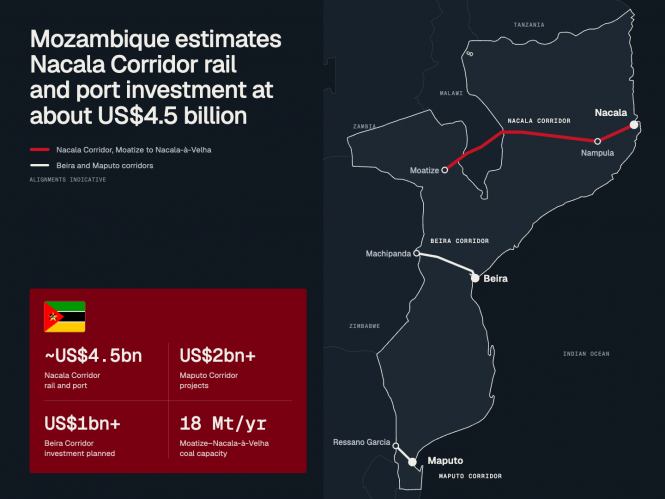
- President Daniel Chapo put estimated railway and port investment in Mozambique’s Nacala Corridor at about US$4.5 billion at the opening of TRANSLOG 2026 in Maputo on 4 November 2026.
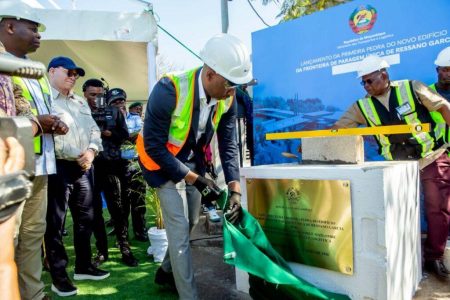
- Projects in the Maputo Corridor exceed US$2 billion and cover port modernisation, National Road Number 4 and the Ressano Garcia border.
- Investments of more than US$1 billion are planned for the Beira Corridor, including the port, the road, the Dondo Dry Port and the Machipanda one-stop border.
- The Integrated Nacala Port Development Project pairs port modernisation with a special economic zone and industrial parks.
- The Council of Ministers authorised the Ministry of Transport and Logistics in February 2026 to launch an international public tender for the Integrated Nacala Port Expansion and Development Project concession.
- The Government said it will continue to promote public-private partnerships, concessions and build-operate-transfer arrangements.
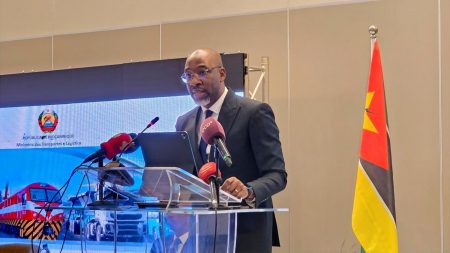
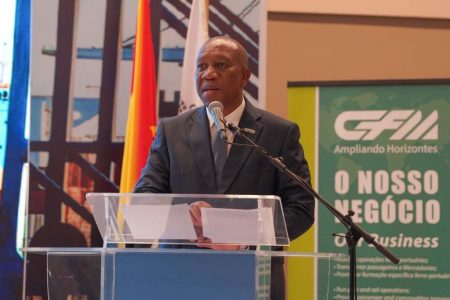
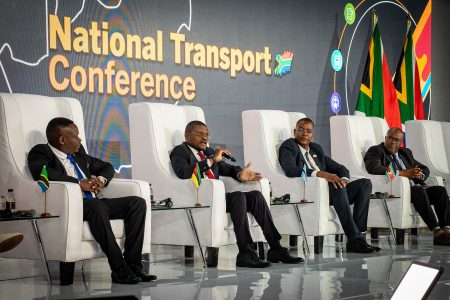
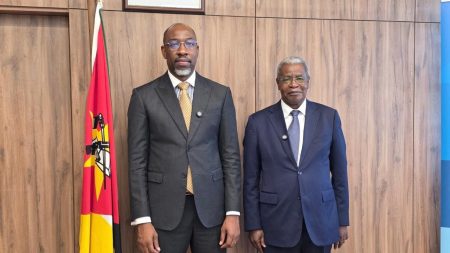
President Daniel Chapo put estimated railway and port investment in Mozambique’s Nacala Corridor at about US$4.5 billion when he opened TRANSLOG 2026, the first Mozambique Transport and Logistics Investment Forum, in Maputo on 4 November 2026. The forum, promoted by the Ministry of Transport and Logistics, ran on 4 and 5 November at the Joaquim Chissano Conference Centre in Maputo.
Chapo also highlighted the Integrated Nacala Port Development Project, which pairs port modernisation with a special economic zone and industrial parks. He said the Government wants Nacala to be more than a point through which goods pass, becoming a place of productive transformation, added value and job creation.
Separately, the Council of Ministers authorised the Ministry of Transport and Logistics in February 2026 to launch an international public tender for the concession of the Integrated Nacala Port Expansion and Development Project in Nampula Province, the Government announced.
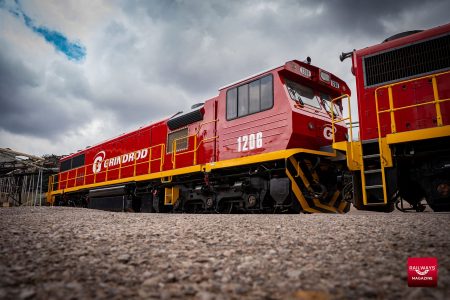
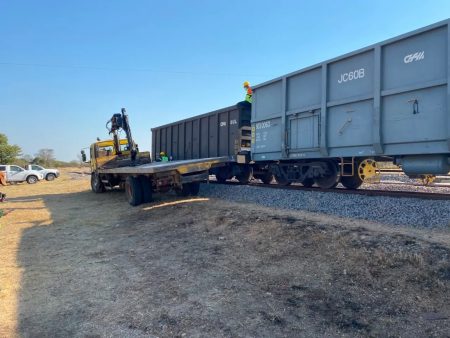
At Nacala in October, the Secretary of State for Transport and Logistics, Chinguane Mabote, cited the Moatize to Nacala-à-Velha rail link, with an announced capacity of 18 million tonnes of coal a year, as an example of mining, rail and port infrastructure working together. He spoke at the opening of a workshop held within the CAVAME-d mining conference in Nacala, and said the capacity of a port alone does not resolve constraints where road and rail access or administrative procedures remain limited.
Chapo said projects in the Maputo Corridor exceed US$2 billion and cover port modernisation, National Road Number 4 and the Ressano Garcia border. Investments of more than US$1 billion are planned for the Beira Corridor, including port modernisation, the road, the Dondo Dry Port and the Machipanda one-stop border.
Along the Maputo, Beira and Nacala corridors, the Government wants new industries, logistics centres, agricultural and livestock areas, agro-processing units, special economic zones and industrial parks, Chapo said.
On investment, Chapo said the Government will continue to promote public-private partnerships, concessions and build-operate-transfer arrangements for national and foreign investors. He named institutional modernisation, simpler procedures, digital services and action against bureaucracy and corruption as reforms needed to improve the business environment.
Chapo described integration of Mozambique’s transport and logistics systems with those of Southern African countries as a condition for reducing the cost of moving goods and improving the competitiveness of economies. He called for harmonised border procedures, integrated digital systems and the removal of obstacles to trade, within the frameworks of the Southern African Development Community (SADC) and the African Continental Free Trade Area.