This content is for Premium Subscribers only. To view this content, login below or subscribe as a Premium Subscriber.
Related News Articles
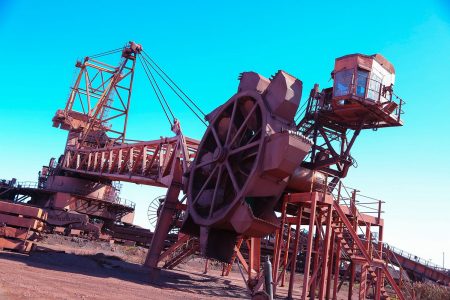
Africa's Largest Iron Ore Export Facility Begins Annual Maintenance Programme
07 October 2026
SADC, South Africa
2 min
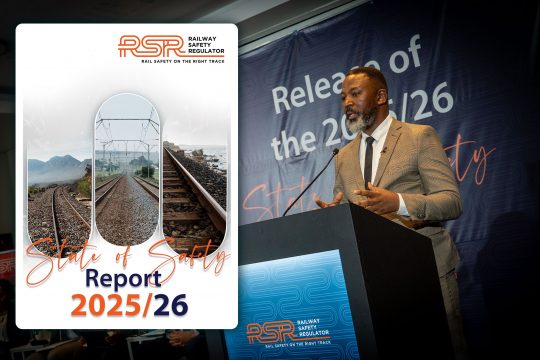
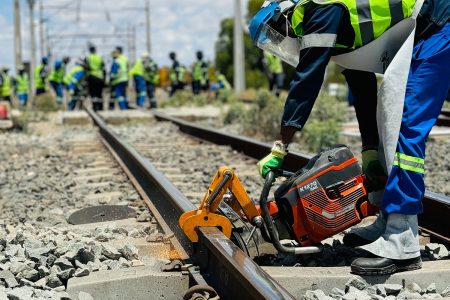
Transnet Rail Infrastructure Manager Granted Three-Year Railway Safety Permit
07 October 2026
SADC, South Africa
2 min

Economic Growth in Sub-Saharan Africa Gains Momentum Despite Global Uncertainty
07 October 2026
SADC
3 min
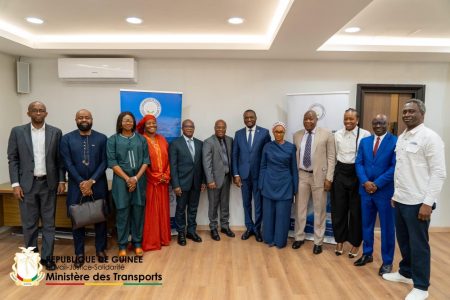
AfDB Expresses Willingness to Fund Feasibility Studies for Guinea Tramway Project
07 October 2026
West Africa, Guinea
1 min
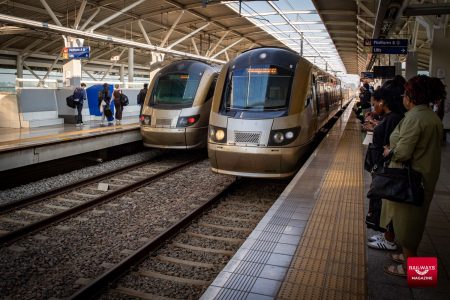
Sihamba Sonke Mobility Reaches Financial Close on 15-Year Gautrain Concession
07 October 2026
SADC, South Africa
2 min
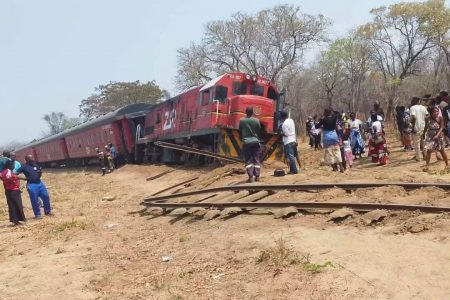
Zambia Railways Investigates Derailment of Passenger Train 358 on Mulobezi Line
07 October 2026
SADC, Zambia
1 min

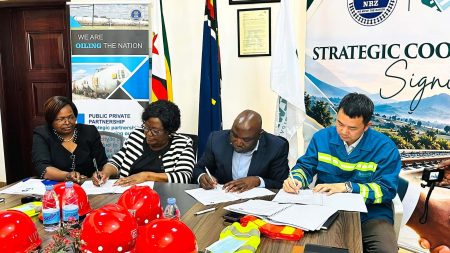
NRZ Secures 1.7 Million Tonnes of Annual Traffic Linked to Manhize Steel Plant
07 October 2026
SADC, Zimbabwe
2 min
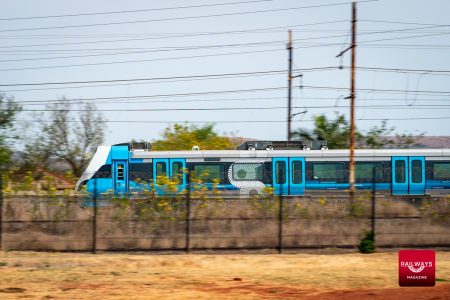
Rail Reform and Recovery Feature in South Africa’s October Transport Month Programme
07 October 2026
SADC, South Africa
4 min
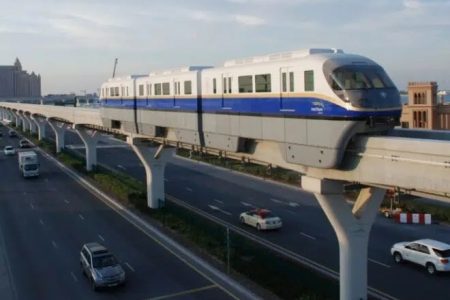
SYSTRA Selected to Lead Feasibility Study for Dar es Salaam Monorail
07 October 2026
East Africa, Tanzania
2 min

SYSTRA and Dassault Systèmes Announce Virtual Twin Collaboration for Rail Infrastructure
07 October 2026
2 min
GPT South Africa Wins R660 Million Transnet Sleeper Contract
07 October 2026
SADC, South Africa
1 min
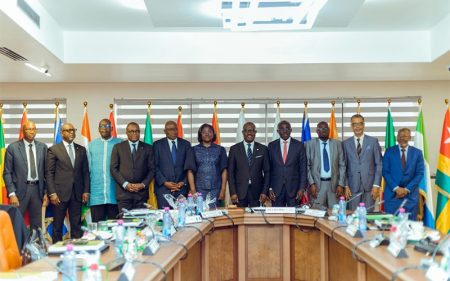
Kano–Maradi Rolling Stock and Equipment Gets USD 100 Million Financing Approval
02 October 2026
East Africa
2 min
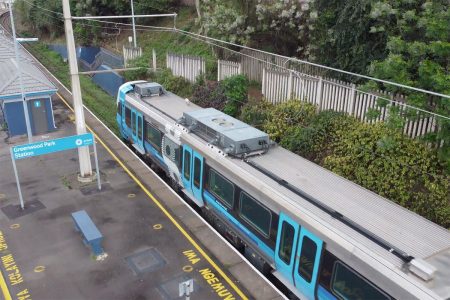
PRASA Advances R2 Billion Umlazi Corridor Rehabilitation and Durban Signalling Works
02 October 2026
SADC, South Africa
1 min