Gauteng Positions Integrated Transport, Rail Expansion and Institutional Reform at Inaugural Transport Conference

Gauteng Positions Integrated Transport, Rail Expansion and Institutional Reform at Inaugural Transport Conference

Gauteng Premier Panyaza Lesufi used the inaugural Transport Conference, hosted in the province, to set out a consolidated view of Gauteng’s transport strategy, centred on institutional integration, multimodal coordination, and rail-led expansion.

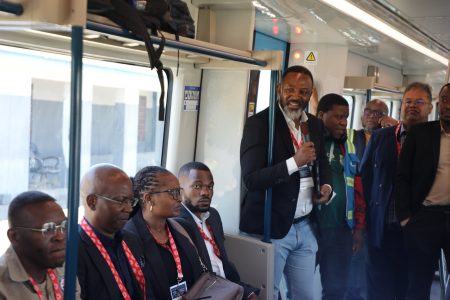
The conference, attended by President Cyril Ramaphosa, national and regional transport leadership, and stakeholders from government, academia and industry, was framed as a platform to advance transport as a core driver of economic development. Gauteng was positioned as both the host province and the country’s economic hub, with transport identified as the lifeblood of national development.

Gauteng Positions Integrated Transport, Rail Expansion and Institutional Reform at Inaugural Transport Conference

A central theme of the address was the institutional architecture underpinning Gauteng’s transport strategy. The establishment of the Transport Authority for Gauteng in 2016, followed by the Gauteng Transport Authority Act 2 of 2019, was presented as a structural intervention to coordinate transport planning and implementation across municipalities and government institutions. This approach responds directly to sustained pressure on transport systems driven by migration and rapid urbanisation.

The Transport Authority’s mandate is defined by integration, centralised planning, and coordinated execution. These functions are aligned with the Gauteng Medium Term Development Plan, with a focus on reducing congestion and enabling the efficient movement of goods and passengers across the province.

Implementation is now being driven through the Integrated Transport Master Plan, which shifts the province from planning into execution. The plan introduces corridor-based investment and reinforces integration across rail, bus, taxi and non-motorised transport systems. Within this framework, the provincial transport system was described as approaching full functionality.

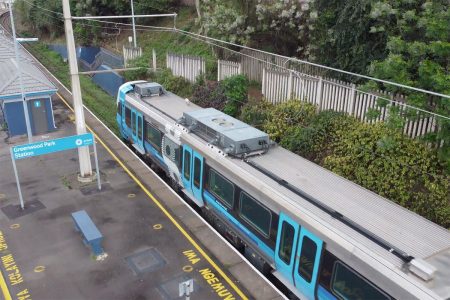
Across modes, several developments were highlighted. Regulatory intervention in the e-hailing sector is expected to formalise and strengthen its economic contribution. Passenger rail is being reinforced through the rollout of PRASA’s “blue” trains. The taxi industry continues to operate across the province and is currently stable, while the Rea Vaya bus system is expanding across metros as part of the integrated network.

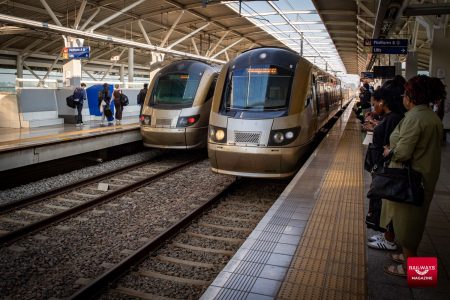
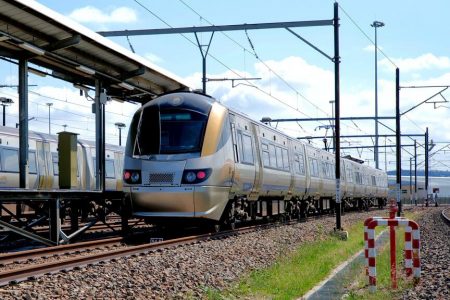
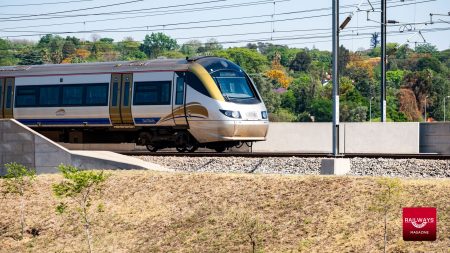
Rail expansion is positioned as a strategic priority. Plans for high-speed rail connections linking Gauteng with Limpopo and KwaZulu-Natal have moved into implementation. At the same time, the Gautrain concession is entering a transition phase, with infrastructure valued at R42 billion set to transfer from the private sector to the Gauteng government by the end of March 2026. This marks a shift towards public sector custodianship, with a 15-year horizon focused on maintenance and value maximisation. A new concessionaire is expected to be appointed to extend the network to additional economic nodes, including Springs, Randburg, Fourways and other areas.

Road infrastructure forms a parallel component of the strategy. The decision to settle e-toll debt, described as difficult but necessary, has contributed to improving SANRAL’s financial position and investor attractiveness. This is supported by approximately R4 billion in investment directed towards road maintenance, widening and accessibility.

Transport policy is also being linked to broader governance and safety objectives. The introduction of a tamper-proof vehicle registration system is intended to address the use of vehicles in crimes such as hijackings, kidnappings and killings, positioning transport regulation as part of a wider response to crime.

The conference itself is expected to generate proposals and resolutions to advance transport implementation, with Gauteng positioning the platform as an opportunity to refine strategy and accelerate delivery across the sector.

Related News Articles