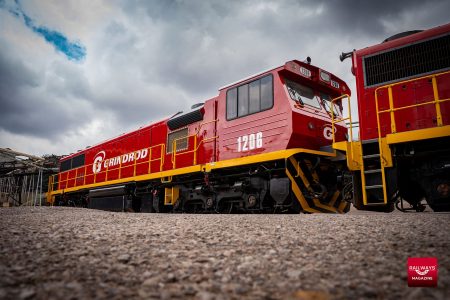
South Africa’s freight logistics reform has moved beyond policy design into a phase where implementation will determine whether recent changes translate into sustained improvements in rail and port performance. The conclusion of rail access agreements with 11 private train-operating companies is a significant step, but the broader reform programme still depends on execution, infrastructure reliability and additional operating capacity.
The next phase is particularly important for mining, agriculture and manufacturing, all of which depend on efficient freight corridors to reach domestic and export markets. Progress will increasingly be judged against measurable outcomes such as higher rail volumes, better port performance, reduced logistics costs and stronger private-sector participation.
President Cyril Ramaphosa has called for deeper implementation of South Africa's freight logistics reforms as government and business move into Phase Three of the Government-Business Partnership.
Speaking at the launch of Phase Three in Johannesburg on 20 August 2026, Ramaphosa said the partnership had progressed from stabilisation in Phase One and reform in Phase Two to a new phase focused on growth, investment, productive activity and employment.
He recalled that the partnership was established in 2023 at a time when deteriorating railway and port performance was constraining exports, disrupting supply chains and weakening South Africa's competitiveness.
In freight logistics, government subsequently established the National Logistics Crisis Committee and adopted the Freight Logistics Roadmap.
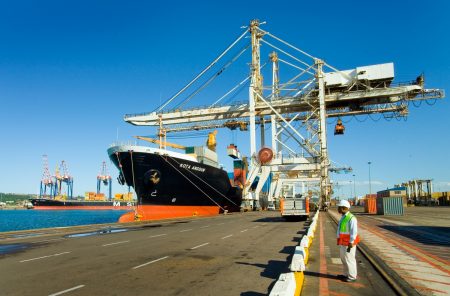
According to Ramaphosa, the decline in rail and port performance has now been arrested and freight volumes are beginning to recover.
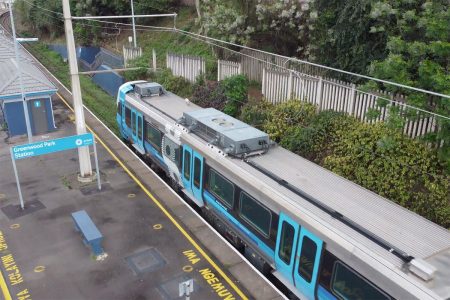
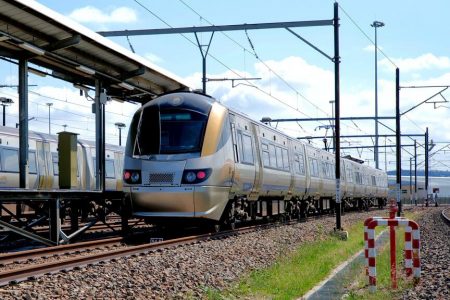
He also highlighted the conclusion of rail access agreements with 11 private train-operating companies, describing this as an important step towards a more competitive freight rail system in which public infrastructure is strengthened through additional investment and operating capacity.
However, he stressed that the work remains incomplete.
“Our mines, farms and factories depend on railways and ports that operate efficiently, reliably and at globally competitive cost,” Ramaphosa said.
The freight logistics reform programme forms part of the broader structural reform agenda being advanced through Operation Vulindlela, alongside electricity, water, telecommunications and visa-system reforms. Government has also set an ambition to mobilise R3 trillion in investment as it seeks to lift economic growth above 3%.
Ramaphosa said the composition of growth is as important as the growth rate, with Phase Three of the partnership expanding its focus into sectors including tourism, agriculture and agro-processing, and mining. Rail infrastructure remains directly linked to these sectors.
In agriculture and agro-processing, Ramaphosa said constraints relating to water, transport, biosecurity, agricultural finance and market access need to be addressed.
For mining, he said the opportunity created by growing global demand for critical minerals requires reliable electricity, improved rail and port infrastructure, greater exploration and stronger action against illegal mining and organised crime.
Ramaphosa said Phase Three would not reduce the partnership's focus on logistics and other existing reform areas. Instead, the next phase would require deeper implementation, embedding reforms already undertaken and ensuring that progress is not reversed.
He said workstreams must have clear objectives, measurable targets, firm timelines and accountable leaders, with progress monitored regularly and implementation problems addressed quickly.
The President also placed South Africa's reforms within the wider Southern African context, saying national economic recovery should contribute to industrial development and economic integration across the region. He said efficient infrastructure, regional value chains and substantially greater investment would be required to convert the region's economic potential into growth.
For government, Ramaphosa said the responsibility remained to provide policy certainty, efficient regulation, capable institutions and reliable public infrastructure as the partnership moves from reform towards implementation and growth.