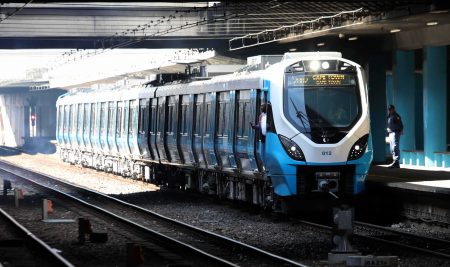
Human factors are linked to almost half of railway incidents, according to the RSR, making safety culture a critical consideration alongside regulatory compliance, operating procedures and technical standards.
The partnership could provide regulators and railway organisations with a stronger evidence base for understanding why incidents occur, improving organisational behaviour and translating research findings into practical safety interventions.
- The Memorandum of Agreement was signed on 3 August 2026.
- The partners are the Railway Safety Regulator and UJ’s Institute of Transport and Logistics Studies Africa.
- The initiative will examine behaviours, attitudes, organisational practices and underlying safety conditions.
- The project aims to establish a national baseline for railway safety culture in South Africa.
- The RSR plans to engage industry leaders through the CEOs’ Safety Forum.
- Research findings are expected to support regulation, policy development and industry safety interventions.
A new chapter in South Africa’s railway safety journey has begun, premised on the official signing of a Memorandum of Agreement (MOA) between the Railway Safety Regulator (RSR) and the University of Johannesburg’s Institute of Transport and Logistics Studies (ITLS-Africa).
The partnership, formalised on 03 August 2026, brings together regulatory expertise and academic research to strengthen understanding of safety culture across the country’s railway sector; an important step as South Africa works towards the revitalisation of rail and the development of a safer, smarter and more sustainable railway system.
The signing ceremony marked the beginning of a collaborative initiative focused on research, innovation and evidence-based knowledge to better understand the behaviours, attitudes, organisational practices and underlying conditions that influence safety in the rail environment.
RSR Acting Executive: Media and Communications, Godwill Malete, described the partnership as the start of an important journey founded on trust, collaboration and a shared vision. While similar research initiatives have been undertaken previously, the project represents a significant step towards establishing a national baseline for railway safety culture in South Africa.
“Effective regulation needs credible research and universities play an important role,” Malete said, highlighting the value of academic partnerships in generating evidence that can strengthen regulation, inform policy and support meaningful change across the sector.
At the heart of the initiative is a recognition that railway safety extends beyond compliance with rules and procedures. Human factors remain a significant contributor to railway incidents, making it essential to understand the organisational cultures and environments in which safety decisions are made.
RSR Permit Assessor and Project Lead, Kebaabetswe Tlhoaele, described the initiative as a potential “compass” for the industry, helping to illuminate the less visible interactions and conditions that contribute to safety challenges. With the sector at a critical juncture, she emphasised the need for decisive action, reaffirming that safety must remain non-negotiable.
RSR CEO Brian Monakali described the signing as the beginning of a journey that requires collective ownership.
Monakali highlighted the critical role of human factors in railway safety, noting that almost half of incidents are linked to human-related factors. Understanding and strengthening safety culture must therefore remain a key priority.
“Our goal is zero harm to the people,” he said, emphasising the importance of translating research into meaningful action. He also outlined plans to use the CEOs’ Safety Forum to bring industry leaders on board as sponsors and supporters, reinforcing that this is not simply an RSR project, but an industry-wide effort.
Professor Joash Mageto of UJ highlighted the far-reaching consequences of railway incidents. When incidents occur, families are disrupted, communities are affected and economic activity can suffer. The research, he said, provides an opportunity to generate insights that can influence behaviour, improve communication and ultimately contribute to the preservation of human life.
The partnership may also provide valuable insights for the broader regulatory environment. RSR Chief Financial Officer Mmuso Selaledi noted that research can help explain the “why” behind the numbers, providing a deeper understanding that can inform regulatory decisions and strengthen the evidence base underpinning the RSR’s work.
As South Africa looks towards a revitalised rail sector, the message from the signing ceremony was clear: building safer railways is a shared responsibility. It requires strong leadership, credible research, collaboration and a collective commitment to learning and action.
The MOA is therefore more than a formal agreement. It is the beginning of a shared journey; one that seeks to understand safety culture, influence positive change and ultimately, help ensure that people can travel and work on South Africa’s railways more safely.