The Mmamabula–Lephalale Link would give landlocked Botswana a new rail route to South African and Mozambican ports. With pre-feasibility complete and lenders now on the ground, a road map for the bankable study and the appointment of a transaction adviser is the next step.
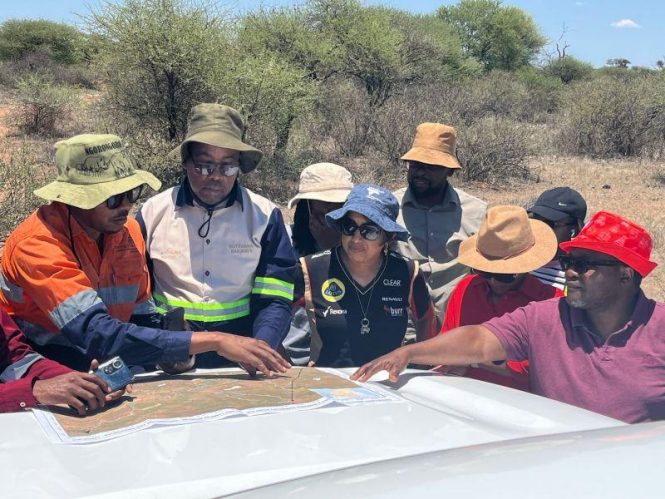
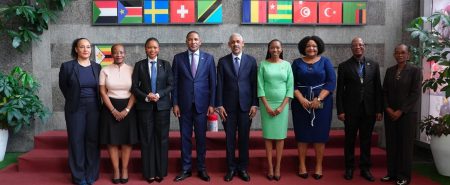
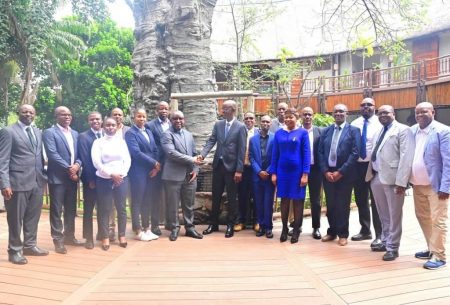
- Botswana Railways hosted development finance institutions on a site visit to the Mmamabula–Lephalale Link Corridor on 17 November 2026.
- The 115km line would run 71km in Botswana and 44km in South Africa.
- It is expected to move 18 million tonnes a year, rising to 24 million at full operation.
- A pre-feasibility study has been completed.
- The DFIs visited the Mmamabula take-off point, the proposed Dovedale exchange yard and sites in Lephalale.
- A road map will set out when the bankable study will be completed and how the transaction adviser will be appointed.
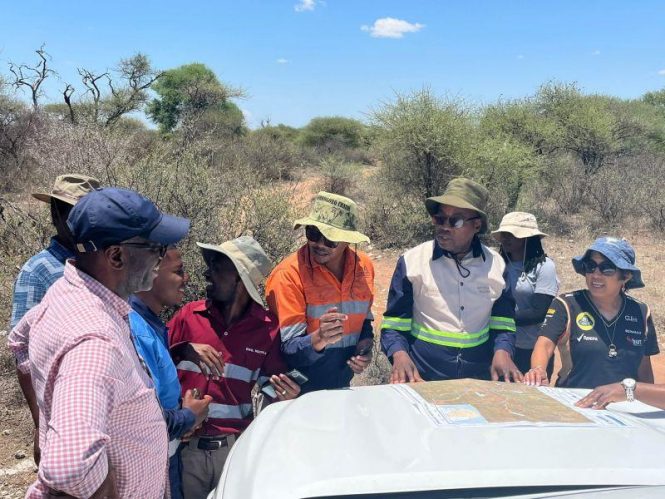
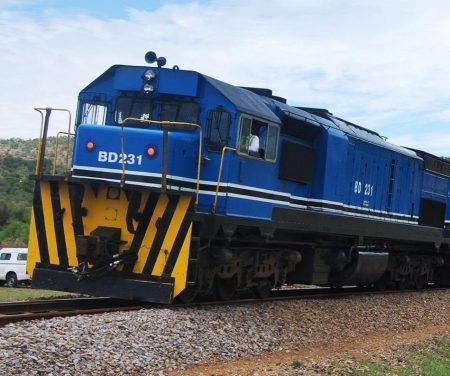
Botswana Railways (BR) recently hosted development finance institutions (DFIs) on a site visit to the Mmamabula–Lephalale (ML) Link Corridor on 17 November, the project that will give Botswana a new route to South African ports.
The 115km line will connect Mmamabula in Botswana to Lephalale in South Africa, with 71km on the Botswana side and 44km on the South African side. The ML Link alone is expected to move 18 million tonnes per annum (MTPA), ramping up to 24 MTPA at full operation. According to BR, the project is backed by strong market demand and a completed pre-feasibility study.
For a landlocked country, an alternative route to the ports means more options, lower dependence on existing corridors and a stronger position for Botswana's exports. Botswana Railways expects the link to support business expansion and unlock minerals and agricultural products that are currently hard to move at scale.
The project is expected to create more than 1,500 jobs in Botswana during construction and at least 300 during operations.
During the visit, the DFIs toured key sites including the Mmamabula take-off point, the proposed exchange yard at Dovedale and sites in Lephalale, South Africa. They also engaged with the project teams on the corridor's key infrastructure, operating interfaces and development requirements. Their observations will inform the project-preparation work needed to bring the ML Link to bankability and, from there, to construction.
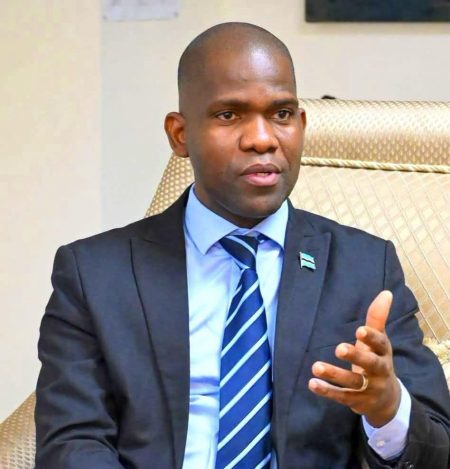
“Botswana’s minerals and agricultural products only create value when they reach the market efficiently. The Mmamabula-Lephalale Link gives us a new route to South African and Mozambican ports, and with it a real opportunity to diversify our economy, create jobs and improve the lives of the communities along the line. Having development finance institutions on the ground today shows that this project is moving from ambition to bankability,” said Botswana Railways Caretaker General Manager Okitanye Gaogane.
At the end of the DFI engagement, a road map will be developed showing when the bankable study will be completed, and how and when the transaction adviser will be appointed.