Egypt Signs 15-Year Agreement with Deutsche Bahn and Elsewedy Electric to Operate High-Speed Rail Network

Egypt Signs 15-Year Agreement with Deutsche Bahn and Elsewedy Electric to Operate High-Speed Rail Network
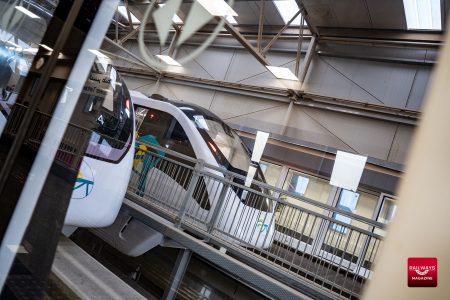
Photo credit: NAT- National Authority for Tunnels

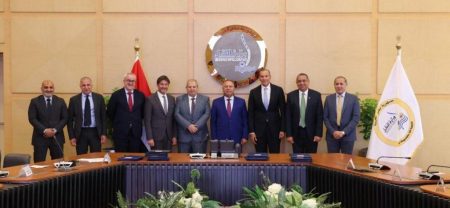
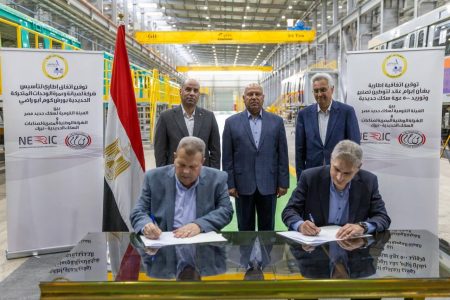
In November, Lieutenant General Kamel El-Wazir, Deputy Prime Minister for Industrial Development and Minister of Industry and Transport, witnessed the signing of a 15-year contract for the management and operation of the high-speed electric train network, Sokhna – Marsa Matrouh, between the National Authority for Tunnels and a consortium consisting of the German company Deutsche Bahn International Operations and Elsewedy Electric. The contract was signed by Dr Tarek Goweily, Chairman of the Board of Directors of the National Authority for Tunnels; Mr Nico Warbanov, CEO of Deutsche Bahn International Operations; and Eng. Ahmed Elsewedy, Chairman of the Board of Directors of Elsewedy Electric.

The signing forms part of the Ministry of Transport’s comprehensive plan to cooperate with major international companies in the field of management and operation, in order to benefit from their expertise, particularly Deutsche Bahn International Operations, a leading global operator that manages Germany’s railway lines and a significant number of lines in other countries. The company will operate Egypt’s three high-speed lines under a single operator, reducing overlap through a new management and operation model based on revenue sharing.

It was further agreed that Egyptian workers will represent at least 95 percent of the company’s total workforce to ensure the transfer of expertise to Egyptian employees. The partnership also includes training and development programmes for Egyptian engineers and technicians, enabling them to manage and operate the high-speed electric train system in the future. Training for Egyptian train drivers in Germany will also take place annually.

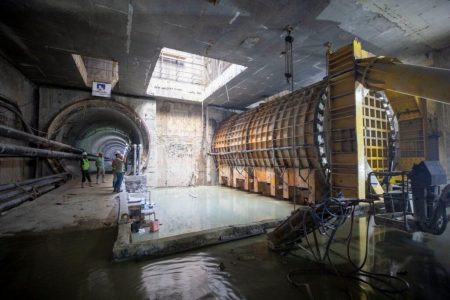
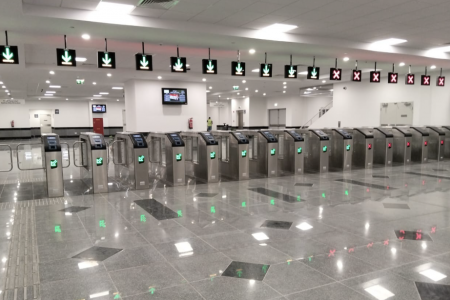
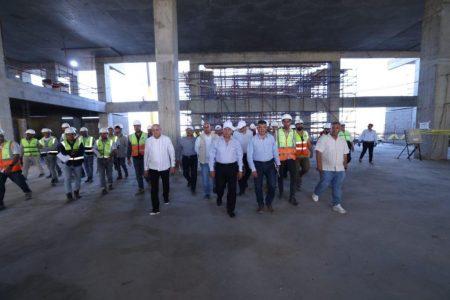
The National Authority for Tunnels is currently implementing three lines of the high-speed electric train network, totalling 2,000 kilometres for both passenger and freight services. The network is designed to be faster and more comfortable than conventional trains, with higher transport capacity and increased passenger safety. It contributes to economic development, supports sectors such as industry and tourism, and enhances infrastructure along the route, helping to establish new urban communities and serve existing population centres.

Related News Articles