Why it Matters
Egypt’s second high-speed electric rail line is a major component of the country’s broader 2,000km high-speed rail network. The Aswan–Luxor inspection highlights progress on a corridor designed to improve passenger movement, support Upper Egypt’s urban expansion, and connect key tourism, agricultural, mining and logistics areas.
The line also forms part of the Alexandria-Cairo-Aswan-Toshka logistics development corridor. For the rail sector, its importance lies not only in faster passenger journeys, but in the planned integration of freight, tourism, industrial zones, dry areas, export routes and future city development across Upper Egypt.
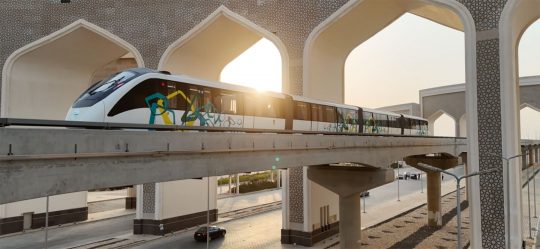
Egypt’s Minister of Transport, Lieutenant General Engineer Kamel El-Wazir, has inspected stations and work sites on the second line of Egypt’s high-speed electric rail network, which will run from 6th of October City to Aswan and Abu Simbel.
The inspection formed part of a wider tour of development and service projects being implemented by the Ministry of Transport in Aswan and Luxor governorates. The minister was accompanied by Engineer Amr Lashin, Governor of Aswan, and Engineer Abdel-Muttalib Emara, Governor of Luxor.
The second high-speed electric rail line will extend for approximately 1,100km. During the visit, the minister inspected the 210km section between Aswan and Luxor, including work sites at nine stations. These comprise three high-speed train stations and six regional train stations.
The high-speed train stations inspected were Aswan Airport, Edfu and Luxor. The Aswan Airport station is located near the alternative axis of the Aswan Reservoir, approximately 2km away, and will serve Aswan city, Aswan International Airport and Aswan University. Edfu station is located near the intersection of the Edfu axis with the Western Desert Road. Luxor station is located near the Samir Farag axis and Luxor Airport, and will serve new urban expansion areas, including New Thebes, as well as tourist areas and the industrial zone in Luxor.
The six regional train stations inspected were New Aswan, Kalabsha, Al-Sabaiya, Daraw, Esna and Armant. New Aswan station will serve the new urban expansion area of New Aswan, located approximately 7km from the station, as well as energy companies and the industrial zone. Kalabsha station is positioned near the Kalabsha axis and will serve Kalabsha, Fares and Egypt Future Agency projects. Al-Sabaiya station is located at the entrance to Al-Sabaiya city and will serve phosphate mining areas. Daraw station will serve Daraw city, located approximately 20km away, as well as the Benban solar power plant. Esna station is located at the entrance to Esna city, west of the Luxor-Aswan Western Desert Road, around 12km from Esna. Armant station will serve Armant City and the surrounding agricultural areas.
The second line will include a total of 36 stations, comprising 13 high-speed train stations and 23 regional train stations.
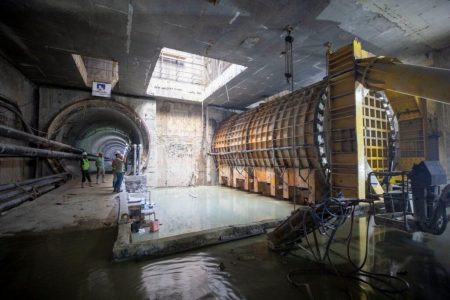
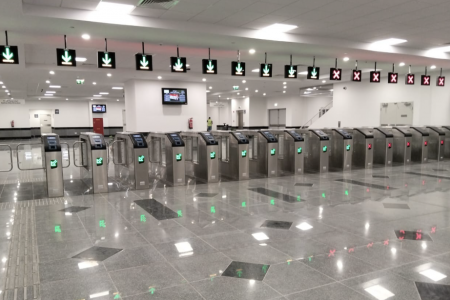
During the inspection, the minister reviewed progress on station construction, the implementation schedule, passenger movement from station entrances to ticket halls and platforms, and the investment plan for each station. He directed that work be intensified around the clock and implemented according to high-quality standards.
According to the ministry, station locations have generally been selected to be close to roads, residential areas and intersections with Nile crossing axes, in order to serve communities across Upper Egypt. Access routes to the stations are also being planned to serve all traffic directions, while parking areas will be provided at various stations to support connectivity with surrounding cities and villages.
The minister also reviewed civil works along the route, which are being implemented by Egyptian national companies. He emphasised the strategic importance of the line as part of the Alexandria-Cairo-Aswan-Toshka logistics development corridor.
The corridor is intended to support development west of the Western Upper Egypt Desert Road and link agricultural production areas in Toshka, west of Aswan and west of Minya with consumption centres in Cairo and export areas in Alexandria. It will also strengthen connectivity between tourist areas, including Abu Simbel, Aswan, Luxor, Abydos and the Pyramids and Giza area in Cairo.
The ministry noted that the second line will contribute to linking ore production and quarry areas, including Abu Tartur, Qena and Aswan, with export ports. It is also expected to reduce environmental pollution associated with diesel locomotive operations.
Egypt’s three-line high-speed electric rail network is expected to create thousands of direct and indirect job opportunities and reduce journey times between governorates by more than half compared with the existing railway network and current road connections.
The second line is also expected to deliver economic benefits by linking with logistics areas at Farshout, Naga Hammadi, Qena and Toshka, while serving new and future cities, including New Beni Suef, New Fayoum, New Fashn, New Minya, New Malawi, New Assiut, Nasser City in Assiut, New Sohag, New Akhmim, New West Qena, New Qena, New Thebes, New Luxor, New Aswan and Toshka.
The line will also enhance connectivity with New Valley Governorate through Farshout station, which will interchange with the Abu Tartur railway line. In addition, it will support links between tourist areas in Luxor, Aswan and Abu Simbel and tourism development areas connected to Hurghada.
The second line will interchange with the first high-speed rail line at October Gardens station and with the third line at Qena station.
Egypt’s high-speed electric rail network consists of three lines with a combined length of approximately 2,000km and 60 stations. The network will include two main workshops and five maintenance points. The fleet is expected to comprise 41 high-speed trains, 94 regional trains and 41 freight locomotives.
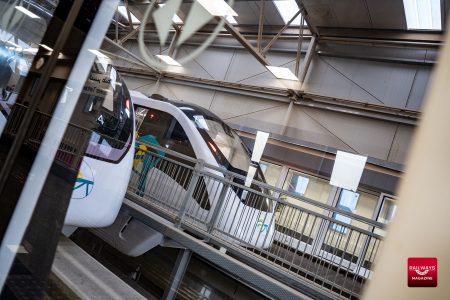
The second line, running from 6th of October City to Aswan and Abu Simbel, will include 36 stations, one command-and-control centre, one main workshop for major overhaul works, and three maintenance and storage points located in the Aswan and Abu Simbel areas.