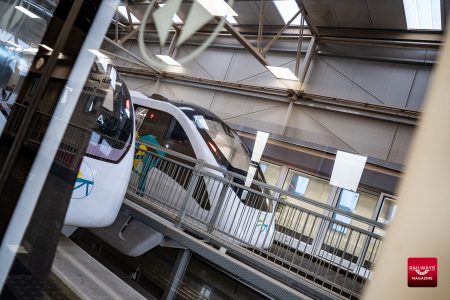
The agreement brings the 44 coaches still to be built, warranty repairs on the 31 already supplied, and the financial issues and related loan agreements into one arrangement. Vitézy says the financial matters will be settled in a manner acceptable to both parties.
Dunakeszi Járműjavító is now owned by MÁV, and Vitézy says preparations to manufacture the additional coaches will begin immediately.
- Hungarian Minister of Transport and Investment Dávid Vitézy said on 30 October 2026 that Hungary and Egypt had reached agreement on the outstanding railway coaches for Egypt.
- The remaining 44 railway coaches for Egypt are to be manufactured and delivered at Dunakeszi Járműjavító.
- Warranty repairs are to be carried out on the 31 coaches already delivered.
- Vitézy describes Dunakeszi Járműjavító as now owned by MÁV.
- The financial issues of the agreement and the related loan agreements are to be settled in a manner acceptable to both parties.
- Preparations to manufacture the additional 44 coaches are to begin immediately.
Hungary has agreed to manufacture and deliver the remaining 44 railway coaches for Egypt at Dunakeszi Járműjavító and carry out warranty repairs on 31 coaches already supplied, according to Hungarian Minister of Transport and Investment Dávid Vitézy.
In a statement on 30 October 2026, Vitézy said the agreement followed the stoppage of coach deliveries to Egypt and MÁV’s work in recent months to restore the Dunakeszi works. He described the manufacturer as now owned by MÁV.
The arrangement also covers the financial issues associated with the agreement and the related loan agreements. Vitézy said these would be settled in a manner acceptable to both parties. Preparations to manufacture the additional 44 Egyptian coaches would begin immediately, he said.
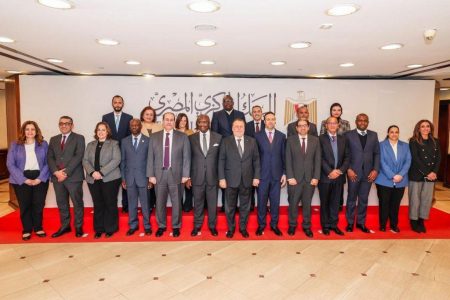
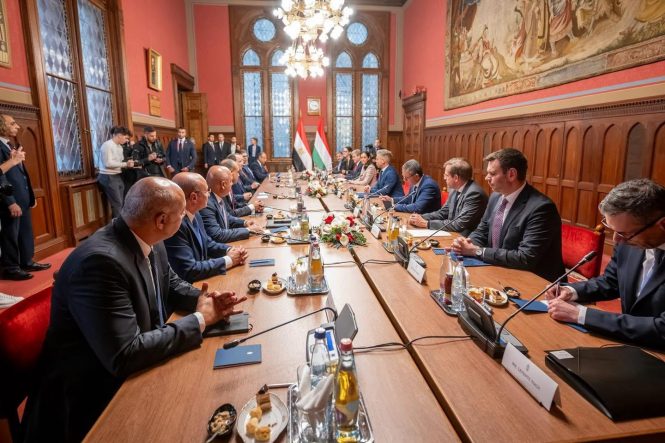
The announcement followed bilateral talks in the Hungarian Parliament led by Prime Minister Péter Magyar with Egyptian President Abdel Fattah el-Sisi and his ministers. Vitézy said he had discussed the issue with his Egyptian counterpart, Kamel al-Wazir, in Cairo and Berlin, and again in Budapest the previous day.
Vitézy said the aim had been to find a solution acceptable to Egypt that served Egyptian passengers and was consistent with the interests of Hungarian taxpayers. The wider talks also considered future cooperation in transport, rail, energy, water and wastewater treatment.