South Africa Urged to Build Climate-Resilient Transport Systems

South Africa Urged to Build Climate-Resilient Transport Systems

South African Deputy Minister of Transport Mkhuleko Hlengwa has called for urgent action to strengthen transport systems against climate-related disruptions, saying resilient and sustainable infrastructure is essential to safeguard operations and support economic growth in South Africa and the wider Southern African region.

Speaking at the inaugural National Transport Conference, Hlengwa said the event brought together the full transport ecosystem and had the potential to contribute meaningfully to the priorities of South Africa’s Medium-Term Development Plan.

He said every mode of transport must play a role in ensuring the safe, accessible, efficient and effective movement of people, goods and services.


South Africa Urged to Build Climate-Resilient Transport Systems

Hlengwa stressed the need for national, provincial and local government to work from a shared perspective on transport development. He said priorities should include road infrastructure upgrades and maintenance, improved availability and reliability of public transport, and more competitive freight logistics.

He also called for South Africa to look beyond intra-regional competition and strengthen international collaboration on trade and investment. At the same time, he warned that climate change continued to disrupt transport operations, making it necessary to invest in infrastructure capable of withstanding environmental pressures.

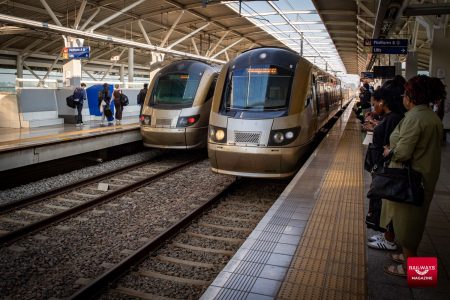
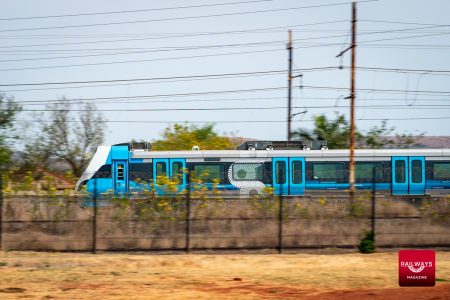
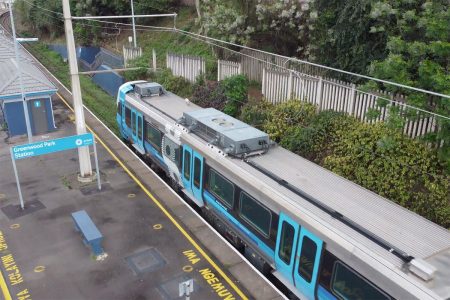
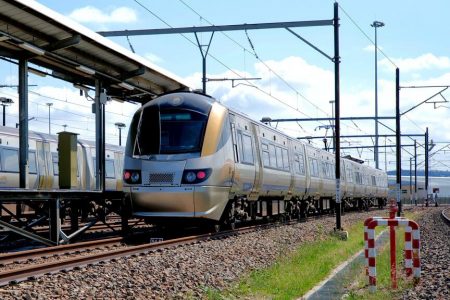
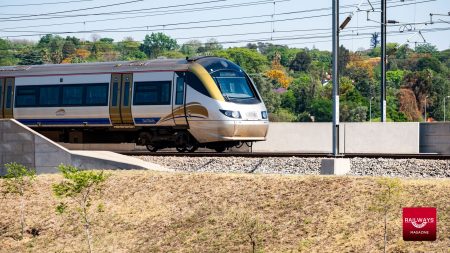
Hlengwa said South Africa must modernise passenger rail infrastructure, expand train manufacturing and advance its high-speed rail ambitions. He added that greater private sector investment would be needed over the next four years to improve passenger, freight and logistics systems.

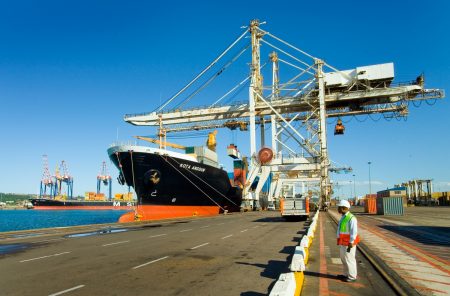
He outlined six priorities for the transport sector, including a target of moving 250 million tonnes of freight annually on the Transnet network by 2029. Another goal is to improve ship loading and unloading rates to the international benchmark of 30 gross crane movements per hour.

In passenger rail, Hlengwa said the aim is to provide safe, reliable and affordable transport for workers and their families, while reaching 600 million passenger journeys by 2030.

In the aviation sector, he said government wants to increase the industry’s contribution to tourism, economic development and job creation, targeting 42 million passengers through the Airports Company South Africa network and 1.2 million tonnes of air freight.

Road safety remains another major concern. Hlengwa said South Africa aims to reduce road fatalities by 45% by 2029 and by 50% by 2030, in line with the United Nations Decade of Action. He said 11,400 people lost their lives on the country’s roads in 2025 and stressed the need for stronger interventions through the revised National Road Safety Strategy.

On developments in the Middle East, Hlengwa said South Africa should position itself as an alternative hub for port operations, flexibility and agility. He said recent tensions in the region had heightened concerns over maritime safety, leading several major shipping companies to reroute vessels away from affected areas and towards the Cape of Good Hope.

He said this shift was expected to increase traffic along South Africa’s coastline, one of the world’s busiest and most strategically important international shipping routes. According to Hlengwa, the rise in east-west shipping traffic, including container vessels, tankers and bulk carriers, would place additional pressure on maritime monitoring, search and rescue readiness, and accident prevention measures.

Footnote

Written by Chamwe Kaira for Railways Africa

Related News Articles