South Africa SONA: Logistics Reform and New Rail Concessions at the Centre of Trade Agenda

President Cyril Ramaphosa used the 2026 State of the Nation Address to link South Africa’s growth and trade ambitions to improvements in freight rail, ports and wider logistics performance. The address, delivered in Cape Town on 12 February 2026, positions transport system recovery as a core enabler of export competitiveness, industrial growth and investment.

South Africa SONA: Logistics Reform and New Rail Concessions at the Centre of Trade Agenda
Photo: Courtesy Government of South Africa

Freight Rail and Ports Positioned as Trade Enablers

The President said government has made progress in “improving the performance of our ports and freight rail lines”, and that volumes of goods moved in and out of the country are “steadily increasing”. He placed the logistics reform drive within Operation Vulindlela, describing the need to “turn around the performance of our rail system and ports” so businesses can reach global markets.

A central railway policy signal in the address was that South Africa has “enabled private rail operators to access our network”, which is intended to introduce competition and shift freight from road to rail.

Concessions and PPP Model for Rail Corridors and Port Terminals

Ramaphosa said government will initiate “major public-private partnerships in our port terminals and rail corridors” later this year, using a concession model. He stated that this model will preserve public ownership while mobilising private investment and expertise.

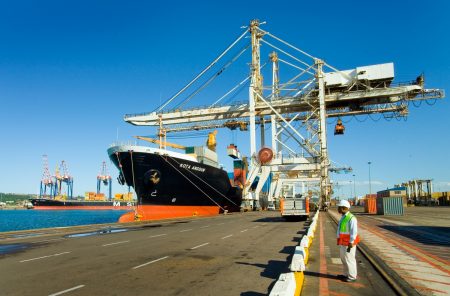
He cited a recently concluded partnership with an international port operator to manage the Durban Pier 2 Container Terminal, describing it as the largest in the country and saying the partnership will bring investment in equipment and infrastructure and restore the terminal to “world class standards”.

High Speed Rail Planning Mentioned as Long Distance Rail Priority

The President also referred to preparations for high-speed rail, naming potential routes including Johannesburg to Musina and eThekwini to Johannesburg. He said nearly 30 companies indicated willingness to participate in high-speed rail corridors after a request for information issued last year, and that government is preparing to issue a request for proposals.

Passenger Rail Recovery Linked to Commuter Costs

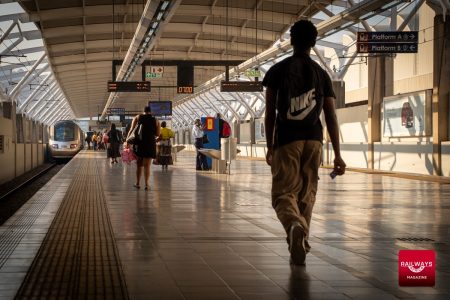
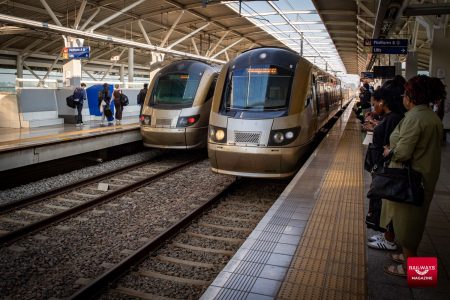
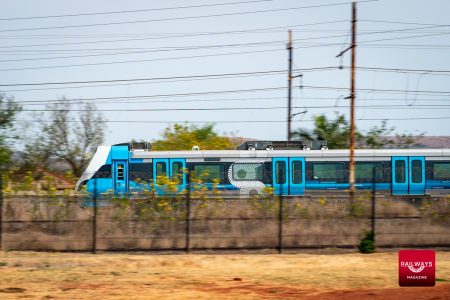
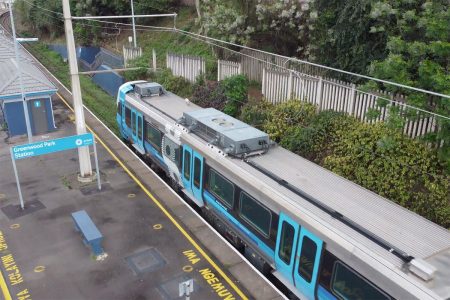
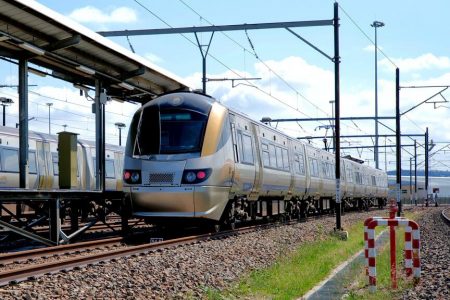
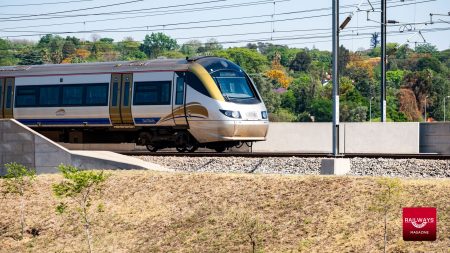
On passenger rail, Ramaphosa said government has “restored our passenger rail system” and that more commuters are travelling on “new locally-made trains”, which he said is reducing transport costs.

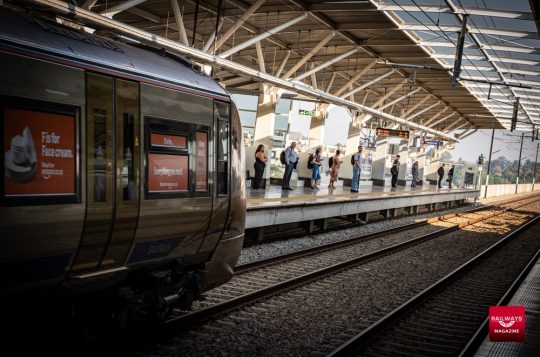
He later reiterated rail’s role in urban affordability, stating that government is “revitalising commuter rail” as part of efforts to reduce the cost of living where households face high transport costs due to distance from workplaces.

Trade and Economic Diplomacy Framed Around Export Growth

The address argues that changing global supply chains create an opportunity for South Africa to increase exports. Ramaphosa said government is strengthening trade negotiation capacity, expanding missions abroad to drive economic diplomacy, and using industrial policy to protect and grow sectors such as steel and automotive manufacturing.

He also linked trade ambitions to regional market expansion through the African Continental Free Trade Area, positioning South African firms to supply a larger African market.

Railway Related Points From the Address

  • Government is improving performance at ports and freight rail lines, with increasing volumes moved in and out of the country.
  • Private rail operators have been enabled to access the national rail network, intended to introduce competition and shift volumes from road to rail.
  • Government plans to initiate concessions as public-private partnerships for port terminals and rail corridors while retaining public ownership.
  • Durban Pier 2 Container Terminal is under a partnership with an international operator, with planned investment to restore performance.
  • High-speed rail planning continues, with routes cited and an RFP planned following a prior RFI.
  • Passenger rail restoration is framed as a cost-reduction measure for commuters, supported by locally manufactured trains.
  • Commuter rail revitalisation is positioned as part of an urban affordability and cost-of-living response.

Read the full speech here: https://www.gov.za/news/speeches/2026StateOfTheNation

Footnote

Written by: Phillippa Dean

Related News Articles