UNTU Notes 2026 Budget With Mixed Reaction over PRASA Funding, Transnet Debt and Fuel Levies

The United National Transport Union UNTU notes the 2026 Budget Speech delivered by the Minister of Finance, Mr Enoch Godongwana, on Wednesday, 25 February 2026.

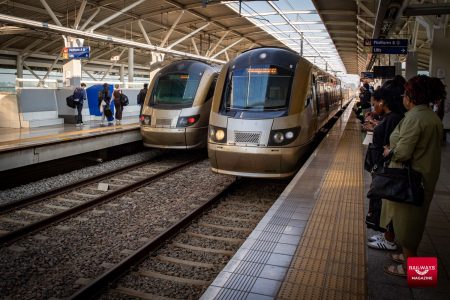
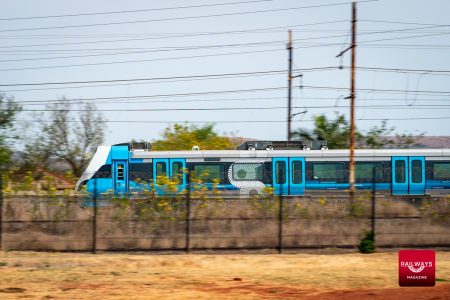
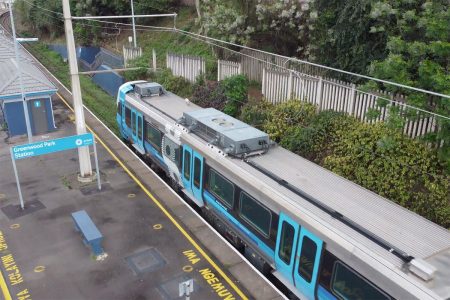
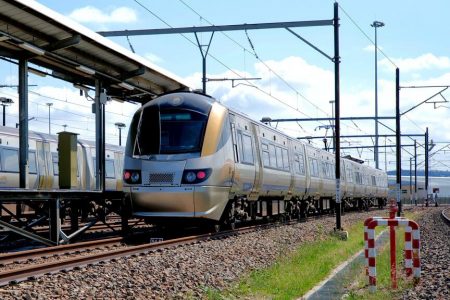
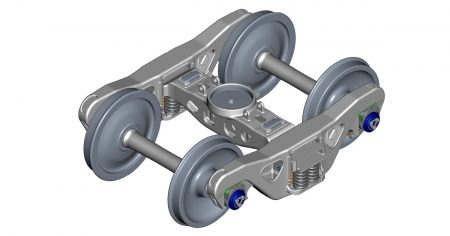
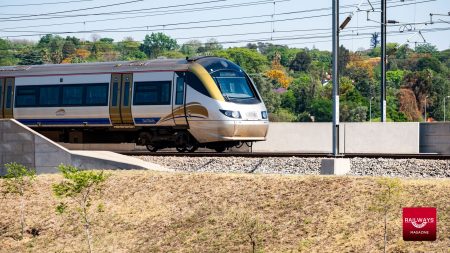
UNTU receives the Budget Speech with mixed feelings. While we cautiously welcome the special appropriation of R5.8 billion towards PRASA’s rolling stock fleet renewal programme, serious concerns remain. The Minister emphasised that this funding is allocated to the renewal programme in partnership with the Gibela Consortium. UNTU once again calls for honesty and accountability regarding this partnership, which was initially presented as a job-creating initiative aimed at reskilling PRASA employees to locally manufacture rolling stock. Contrary to these commitments, Gibela has increasingly relied on contract workers, deviating from the original agreement, with no visible consequence management by PRASA.

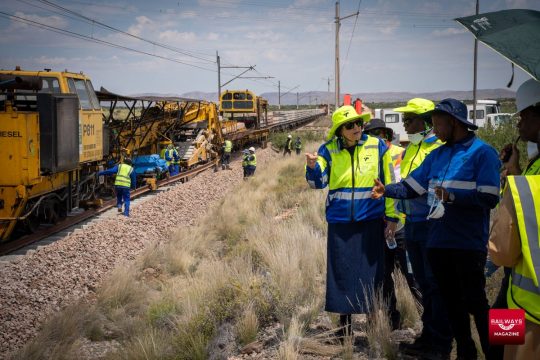
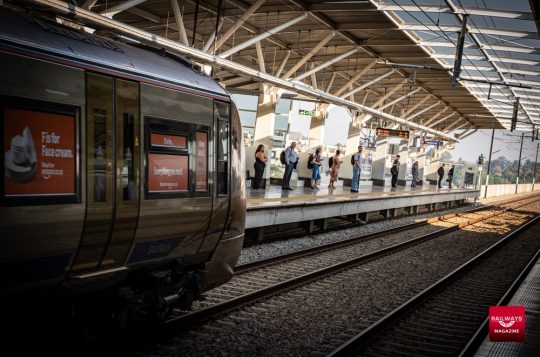
The Minister further indicated that PRASA will continue implementing its corridor recovery programme. However, UNTU is deeply disappointed that no meaningful detail was provided on how much funding will be directed towards fixing critical infrastructure backlogs and addressing security challenges on the rail network. These issues continue to undermine corridor recovery efforts and the reliability of passenger rail services.

UNTU remains concerned that Government, as the sole shareholder of Transnet, has once again failed to prioritise direct funding to address Transnet’s debt burden. Transnet is carrying a debt of R153 billion and pays mature interest on this debt every month to the tune of Billions of rands. UNTU notes that if Transnet did not have to service this interest, the entity would be profitable. This failure to address the debt crisis has forced Transnet to increasingly rely on private sector partnerships, often at the expense of public control and long-term sustainability.

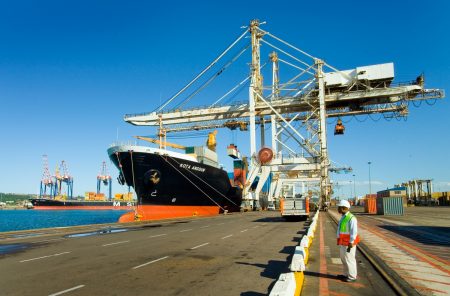
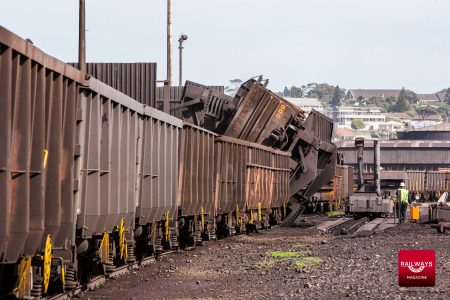
In this context, UNTU welcomes the opening of the 2026 and 2027 cycle for enabling funding of strategic infrastructure projects. We acknowledge that Transnet has used this facility to fund critical infrastructure upgrades across its operating divisions, particularly Transnet Freight Rail, to improve efficiencies. Despite being cash-strapped, UNTU commends Transnet for making use of this facility in its efforts to rehabilitate severely dilapidated infrastructure, with the entity securing R16.1 billion in funding for the coal and iron ore corridor projects. UNTU will support Transnet in its endeavours to secure more funding through the Budget Facility for Infrastructure as part of its recovery strategy.

While the Minister of Transport noted that public spending on infrastructure will exceed 1 trillion over the medium term, with R577.4 billion to be spent by state-owned enterprises and other public entities, UNTU is disappointed that this was mentioned without sufficient detail. There was no clarity on how these funds will be allocated or which SOEs will be prioritised. Economic growth depends on focused investment in infrastructure, transport and logistics, with a strong commitment to industrialisation and localisation.

UNTU is equally concerned by the Minister of Finance’s limited explanation of Public-Private Partnerships. While reference was made to amendments to PPP regulations to allow greater private sector participation, no clear evidence was provided to show how this approach has benefited consumers. UNTU questions which case studies demonstrate that competition in the electricity sector has resulted in lower prices for the public.

Of serious concern to UNTU is the announcement that the National Treasury will establish a Credit Guarantee Vehicle in the form of a company in partnership with the World Bank. While we understand that this vehicle will act as a guarantor to reassure investors should South Africa be unable to meet its debt obligations, this arrangement raises serious concerns about national sovereignty.

Given the World Bank’s record across Africa, where similar arrangements have often resulted in reduced state control and long-term financial obligations imposed on governments, UNTU calls for full transparency on the structure, terms and governance of this partnership. Any such arrangement must be subject to strict regulation, strong oversight and parliamentary scrutiny to ensure that South Africa remains sovereign and retains full control over its strategic state assets.

UNTU further notes with serious concern the fuel levy increases announced in the Budget, which will place additional pressure on already struggling working-class households. Rising fuel costs not only affect motorists but also drive up the cost of food, transport, electricity and basic services across the economy. For workers who rely on public transport, taxis and private vehicles to get to work, these increases amount to a direct reduction in take-home pay. The working class is already on its knees, battling the rising cost of living and limited wage growth. Increasing fuel levies at this time places an unbearable burden on the working-class.

Related News Articles