Railway Safety Regulator Releases State of Safety Report 2025/26: Overall Safety Improves, but Rising Fatalities Remain a Critical Concern
Members of the public accounted for 95.4% of railway fatalities in 2025/26, while level-crossing occurrences increased by 25.4%. The RSR is calling for operators, municipalities, road authorities, law enforcement and communities to work together on corridor protection, safer behaviour and interventions at high-risk locations.
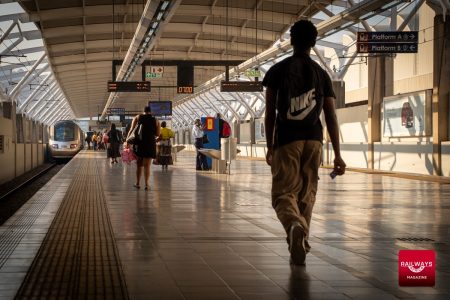
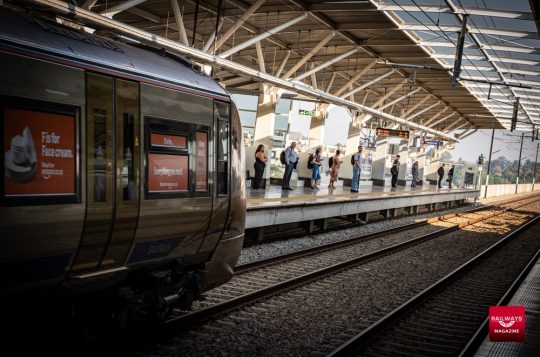
For operators and infrastructure managers, the RSR’s 2026/27 priorities include maintenance compliance, signalling modernisation and protection of safety-critical infrastructure. Interface management will also receive attention as rail reform introduces additional operators, alongside passenger safety at stations and platform-train interfaces.
- The report covers the financial year ended 31 March 2026.
- Railway occurrences fell from 9,200 in 2024/25 to 8,288 in 2025/26, a decline of 9.9%.
- Fatalities increased by 25.9% to 175, with members of the public accounting for 95.4%.
- Injuries declined by 14.8%, from 419 to 357.
- Level-crossing occurrences increased by 25.4% during the reporting period.
- Security-related occurrences fell to 5,710, a reduction of 33.9% over three years.
Download the State of Safety Report 2025-2026
The Railway Safety Regulator (RSR) today released its State of Safety Report 2025/26, which records a third consecutive year of improvement in overall railway safety performance. However, the report also highlights a concerning rise in fatalities and persistent risks at the rail-public interface.
The report assesses railway safety performance for the financial year ended 31 March 2026.
Overall railway safety performance improves
Total railway occurrences fell by 9.9%, from 9,200 in 2024/25 to 8,288 in 2025/26—the lowest number recorded in five years.
The report records significant improvements across several safety indicators:
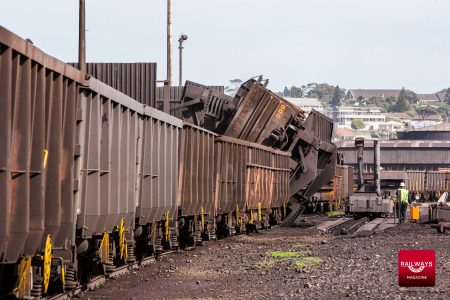
- Derailments during the movement of rolling stock declined by 27%, from 337 to 246.
- Fires and explosions decreased by 24.4%, from 758 to 573.
- Security-related occurrences declined to 5,710, representing a 33.9% reduction over three years.
- Theft of railway assets decreased by 10.2%, while malicious damage and vandalism declined by 15.1%.
- Injuries declined by 14.8%, from 419 to 357.
RSR Chief Executive Officer Mr Brian Monakali welcomed the positive trajectory but cautioned against complacency.
“The continued reduction in overall occurrences is encouraging and demonstrates that interventions across the railway sector are beginning to yield results. However, fewer occurrences do not necessarily mean that the railway environment is safe enough. Our ultimate measure of success must be the prevention of fatalities and injuries,” said Mr Monakali.
Fatalities remain the greatest concern
Despite the overall improvement, 175 fatalities were recorded during the reporting period—a 25.9% increase from the previous year and 19.5% above the five-year average.
Members of the public accounted for 95.4% of all fatalities. Seventy-six people were struck by trains, while 65 fatalities involved bodies found within railway reserves. Mr Monakali stressed the need for decisive action at the rail-public interface:
“The fatality figures are a stark reminder that railway safety is not solely the responsibility of railway operators. The overwhelming majority of fatalities involve members of the public, which means that we need a whole-of-society response. Government, operators, municipalities, law enforcement and communities must work together to change behaviour, secure railway corridors and protect lives.”
Level crossings and infrastructure security remain priorities
Level crossings remain a significant concern, with occurrences increasing by 25.4% during the reporting period. Unsafe road-user behaviour continues to contribute to collisions between trains and road vehicles.
The RSR will strengthen collaboration with operators, road authorities and communities, supported by targeted public education, enforcement and engineering interventions at high-risk locations.
Theft and vandalism of critical railway infrastructure also remain significant threats. Despite a substantial decline in security-related occurrences, more than 5,700 incidents were recorded during the reporting period, affecting signalling systems, telecommunications and overhead traction equipment.
RSR priorities for 2026/27
In response, the RSR will focus its regulatory interventions on reducing fatalities along high-risk routes and at high-risk locations, strengthening the protection of railway reserves, improving level-crossing safety, and enhancing passenger safety at stations and platform-train interfaces.
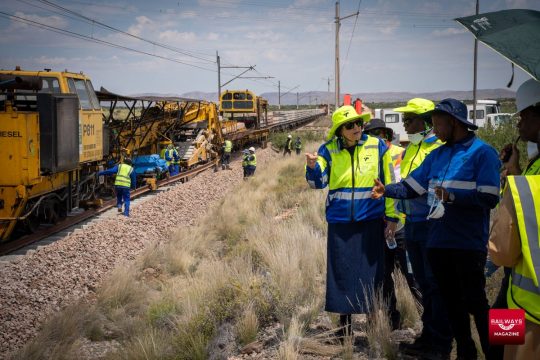
Other priorities include supporting operators in accelerating signalling modernisation; protecting safety-critical infrastructure from theft and vandalism; strengthening maintenance compliance and asset management; improving interface management as rail reform introduces additional operators; and expanding public-awareness initiatives to encourage safer behaviour around railway infrastructure.
The RSR will also strengthen regulatory oversight through audits, inspections, occurrence investigations, and the development and implementation of regulatory standards, while supporting infrastructure recovery and modernisation across the industry.
The State of Safety Report 2025/26 confirms measurable progress across the railway sector. Yet the increase in fatalities shows that the next phase of safety improvement must be judged by one overriding outcome: zero deaths and injuries.
“Our message is simple: every fatality is one too many,” said Mr Monakali. “The progress reflected in this report gives us confidence that improvement is possible, but it also places a greater responsibility on all of us to accelerate the work required to make our railway system safer. The RSR remains committed to working with the entire sector to build a culture of safety, accountability and continuous improvement.”
The RSR calls on railway operators, infrastructure managers, all spheres of government, law-enforcement agencies and communities to intensify collaboration, address risks at the rail-public interface, and ensure that South Africa’s railway system remains safe, resilient and able to support economic growth and development.
The State of Safety Report 2025/26 is available on the Railway Safety Regulator’s website at www.rsr.org.za.