The Johannesburg Declaration, adopted at the recent Transport Conference, has been described as a shared commitment to strengthening and transforming South Africa’s transport sector.
The declaration emerged from the inaugural Transport Conference hosted by South Africa’s National Department of Transport. It states that participants recognised South Africa’s transport system as the most extensive on the African continent.
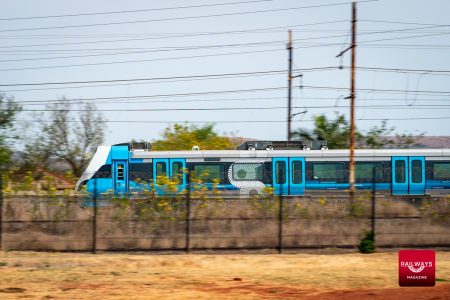
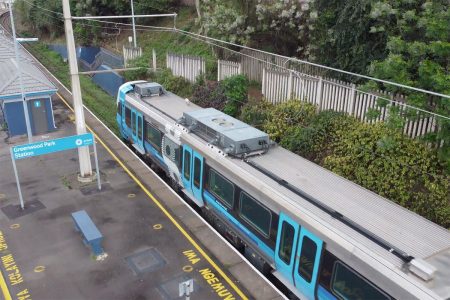
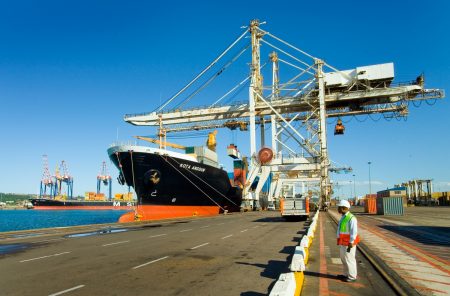
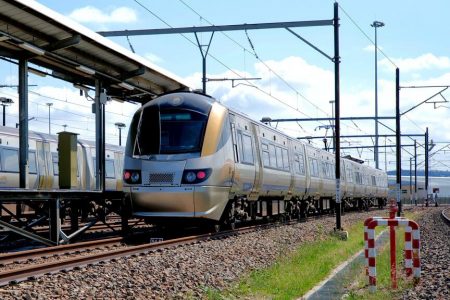
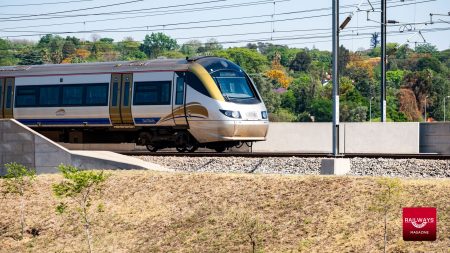
According to the declaration, the system includes rail freight and passenger services, an extensive road network, non-motorised transport, critical road-based public transport services, aviation infrastructure linking regional and global markets, and strategic maritime ports that support international trade.
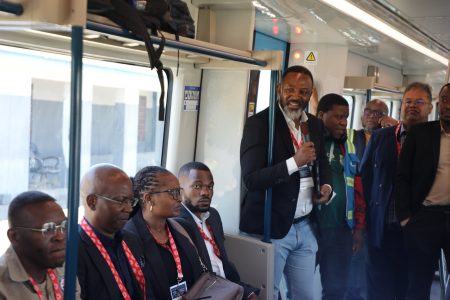
The conference was attended by delegates from Eswatini, Mozambique, Tanzania, Zimbabwe and Botswana.
Participants noted that a modern transport system must respond to global technological and environmental developments, including digitalisation, automation, global warming and climate resilience. They also stressed that sustained collaboration within the Southern African Development Community region remains essential to position South Africa as a competitive logistics hub capable of supporting economic growth, regional integration, efficient transport systems and improved access to goods and services for residents across the region.
The declaration identified several key themes shaping the future of the transport sector. These include transport as an enabler of economic growth, with transport systems seen as essential to trade competitiveness and job creation. Another theme is the development of an integrated transport system focused on inclusivity, connectivity and logistics efficiency.
Participants further said public transport reform must prioritise safety, accessibility, reliability, affordability and integration. Other themes highlighted in the declaration include infrastructure development and maintenance, with emphasis on sustained investment in resilient transport infrastructure.
The declaration also underscored the importance of road safety improvements, a universal access transport action plan, and sustainable and green transport through low-carbon technologies, green fuels and energy efficiency.
Additional priorities identified were skills development and institutional capacity, including strengthening expertise across all spheres of government. The declaration also called for expanded investment and financing through diverse mechanisms, including pension funds and private investors.
The Department of Transport is expected to implement inclusive transport measures, support cross-sector collaboration and establish a permanent Transport Forum Council.
The conference resolved to establish the Transport Forum and agreed that the National Transport Conference would be held every two years under the Department of Transport.
Participants also resolved to support transport corridor development and trade facilitation, while promoting evidence-based policy, data-driven decision-making, research collaboration and innovation.
The conference committed itself to transforming the transport sector into a modern, integrated and accessible system.
Acting Director-General of Transport Mathabatha Mokonyama said the inaugural conference took place at a time of rapidly evolving geopolitical developments around the world, with significant implications for the global transport system.
Mokonyama said that in South Africa, developments in aviation, maritime, rail and freight were unfolding in a world where innovation is paramount.
He said transport systems are the lifeblood of the nation on land, at sea and in the air, enabling economic growth, regional integration, trade facilitation, job creation, improved mobility and social inclusion, while connecting communities to opportunities, services and markets.
He added that the strategic role of transport advances two priorities in the Medium-Term Development Plan 2024–2029.
Mokonyama said the Transport Conference marked a historic milestone by establishing a national platform that brings together the entire transport ecosystem to shape the future of the sector.
Written by Chamwe Kaira for Railways Africa