The HRT would give Greater Conakry a dedicated, high-capacity passenger railway along the existing CBK corridor, designed to carry up to 289,000 passengers a day and to work alongside the planned BRT network. With pre-feasibility complete and a public-asset, private-operator model on the table, the Deal Room opens the project to the rail operators and funders it needs for the next stages of design, structuring and financing.
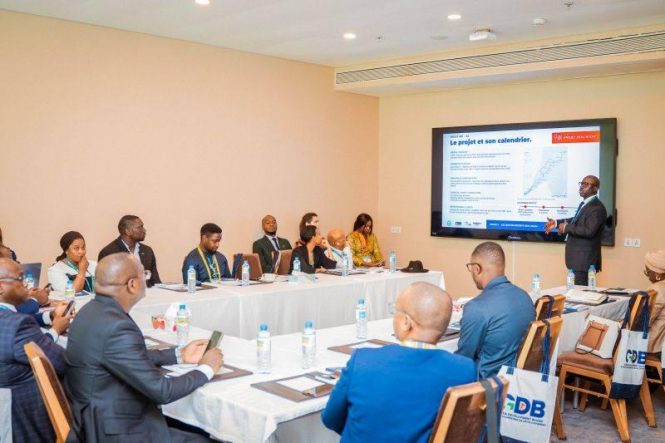
- Guinea presented the Greater Conakry Heavy Rail Transit project to investors at the Simandou Mining Summit on 12 November 2026.
- The 35km double-track Kaloum–Kagbèlen line would serve 15 stations, three of them interchanges with the planned BRT network.
- Capital cost is put at US$693 million, about 52% infrastructure and 48% rolling stock.
- The pre-feasibility study, completed in August 2026, projects 184,000 to 289,000 passengers a day.
- The recommended model keeps assets in public ownership with a private operator under a traffic risk-sharing contract.
- Commissioning is indicated for 2030, with financing and construction dates to be confirmed.
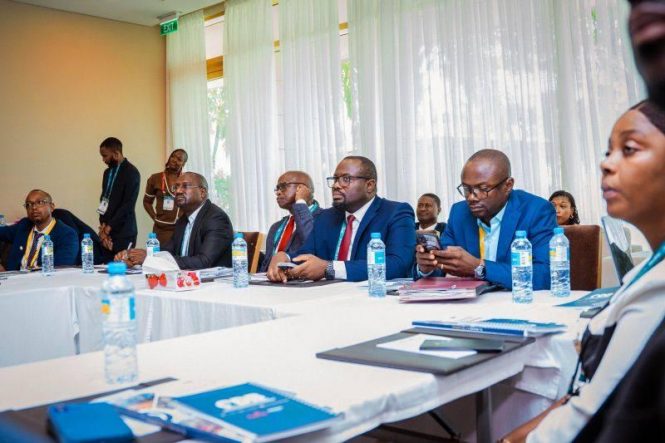
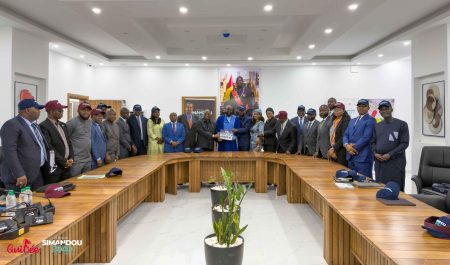
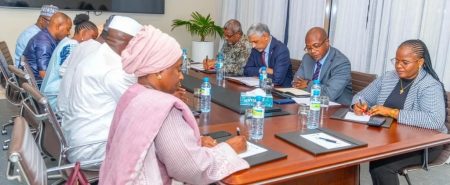
Guinea has presented the Greater Conakry Heavy Rail Transit (HRT) project to investors, seeking a private rail operator and funders for a 35km double-track passenger line between Kaloum and Kagbèlen. The Ministry of Transport-sponsored project was put to investors in a Deal Room session on 12 November, the second day of the Simandou Mining Summit in Conakry, according to the Guinea Development Board (GDB).
The project has completed its pre-feasibility stage. The Simandou 2040 Deal Book prepared for the summit puts its capital cost at US$693 million, about 52% for infrastructure, covering track, signalling, level crossings and stations, and 48% for rolling stock. Operating costs are estimated at about US$18 million a year, excluding rolling stock depreciation.
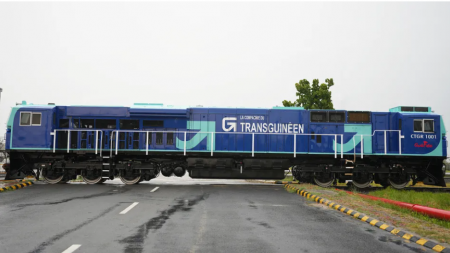
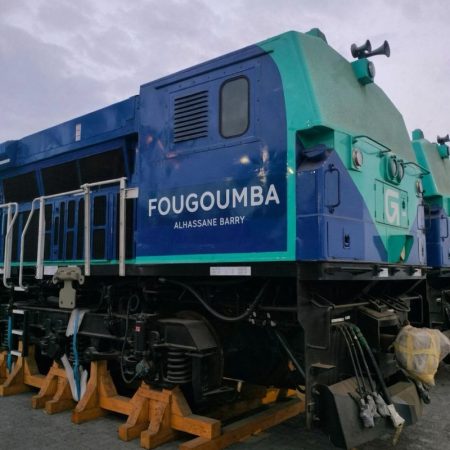
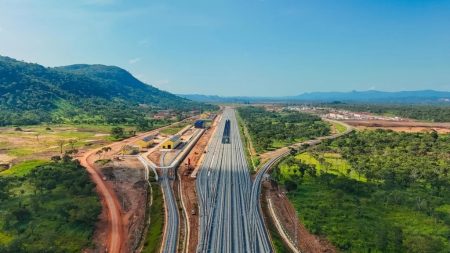
The line would run on a dedicated double track within the existing CBK rail corridor and serve 15 stations, three of them interchanges with the planned Greater Conakry Bus Rapid Transit (BRT) network. The scope includes new track and signalling, the removal of level crossings, island-platform stations, a maintenance centre at Simbaya and high-capacity double-deck railcars.
The pre-feasibility study, prepared by CPCS for Guinea's Administration et Contrôle des Grands Projets (ACGP) and completed in August 2026, projects 4 to 6 trains an hour at peak, 184,000 to 289,000 passengers a day depending on the level of service and a Kaloum–Kagbèlen journey time of 50 to 70 minutes. Zonal fares of GNF3,500, GNF7,000 and GNF14,000 are proposed, in line with minibus and taxi fares.
Partnership Model
The recommended structure keeps the infrastructure and rolling stock in public ownership, financed through concessional loans, with a private operator responsible for commercial operation and for maintaining the infrastructure and trains under an operating contract that shares traffic risk. Privately financed rolling stock is identified as an alternative. The Deal Book describes the terms as indicative and states that the presentation does not constitute an offer or a commitment to finance or contract.
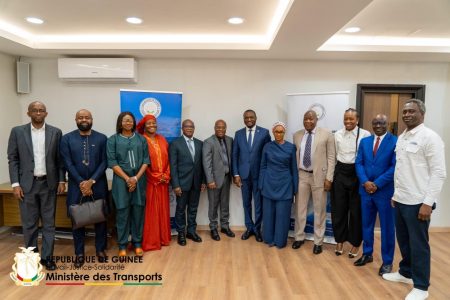
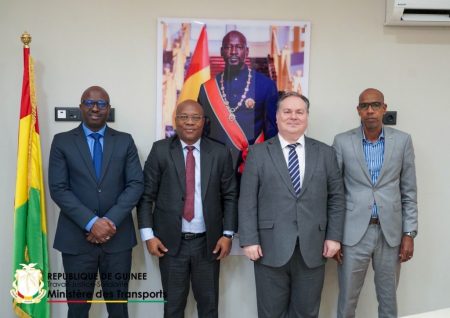
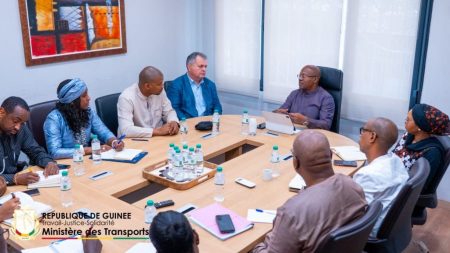
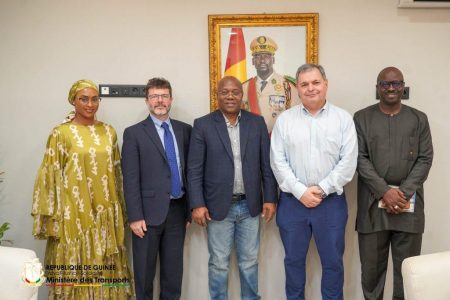
The Ministry of Transport and the Ministry of Infrastructure and Public Works are named as project sponsors, with the participation of the Guinea National Railway Company and the Conakry Urban Transport Authority. The Deal Room session was attended by GDB Director General Namory Camara.
Next Steps
The Deal Book lists the work still required before financing and construction: an agreement with CBK on the corridor and interfaces, institutional decisions including the contracting authority and a rail law, preliminary design, an environmental and social impact assessment, a resettlement framework and right-of-way clearance, and PPP structuring, market sounding and tender. Dates for financing and construction are to be confirmed, with commissioning indicated for 2030.