Tshipi reports rail volumes above plan in FY26

If the rail improvements Jupiter describes hold, with fewer derailments and cable theft incidents, larger wagons and upgraded infrastructure, they could give Kalahari manganese producers steadier access to Transnet's export corridors and allow lower-cost rail to take a larger share of each producer's logistics mix.

MECA3's ten-year, demand-led allocations could give producers and the Transnet system a firmer basis for planning volumes and investment, while a transshipment facility at Lüderitz, if it proceeds, could add a Namibian outlet for larger vessels alongside South African ports.

Tshipi reports rail volumes above plan in FY26
Photo source: Jupiter Mines

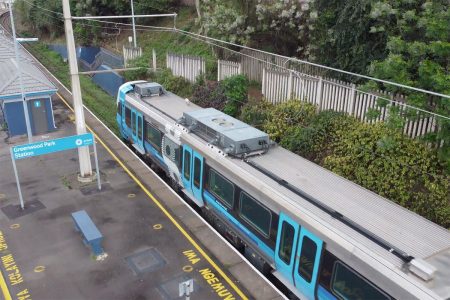
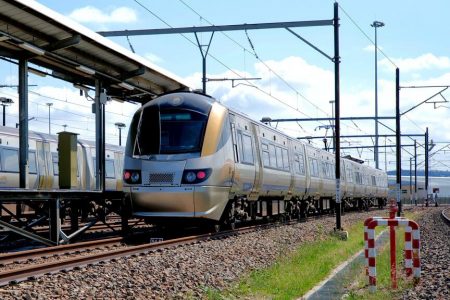
  • Tshipi moved approximately 2.6 million tonnes by rail in the year ended 30 June 2026, with rail availability exceeding its planning assumptions, according to Jupiter Mines.
  • Tshipi sold 3.5 million tonnes of manganese ore in the year, matching production and exceeding its annual plan.
  • Jupiter attributes the higher rail volumes to improved capacity and reliability, including fewer derailments and cable theft incidents, larger wagons and infrastructure upgrades.
  • Tshipi signed the ten-year MECA3 agreement with Transnet Freight Rail in September 2025, replacing annual allocations with a longer-term, demand-led model.
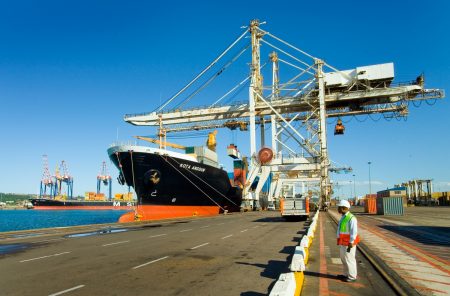
  • Jupiter records 828,000 tonnes routed through the Port of Lüderitz.
  • Tshipi and Tradeport Namibia are planning a Lüderitz transshipment project that would let larger vessels load at anchorage.

Tshipi reports rail volumes above plan in FY26
Photo source: Jupiter Mines

Tshipi’s rail volumes reached approximately 2.6 million tonnes in the financial year ended 30 June 2026, with rail availability exceeding planning assumptions, according to Jupiter Mines’ 2026 annual report.

Jupiter holds a 49.9 per cent interest in Tshipi é Ntle Manganese Mining Proprietary Limited, which operates the Tshipi manganese mine in South Africa’s Kalahari Manganese Field. The mine’s production and sales each reached 3.5 million tonnes during FY26, exceeding its annual plan.

Capacity and reliability

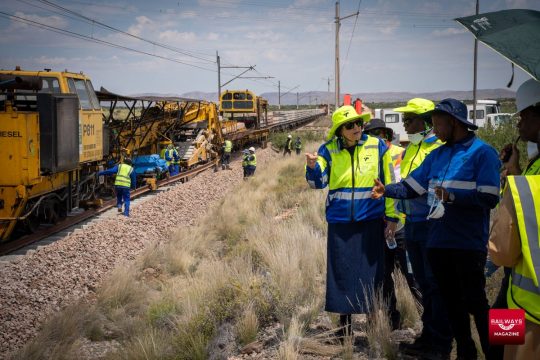
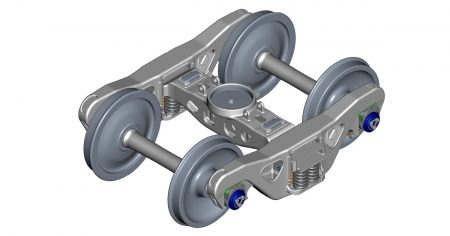
Jupiter attributes the higher-than-anticipated rail volumes to improvements in capacity and reliability. These included fewer derailments and cable theft incidents, the introduction of larger wagons and rail infrastructure upgrades to accommodate them. Lower-than-expected rail utilisation by emerging miners also increased available network capacity.

The report says Tshipi’s continued engagement with Transnet contributed to the improvements. Greater access to rail capacity benefited overall logistics costs, with logistics accounting for the largest component of Tshipi’s cost base. The mine transports ore by rail and road and seeks to maximise use of lower-cost rail capacity where available.

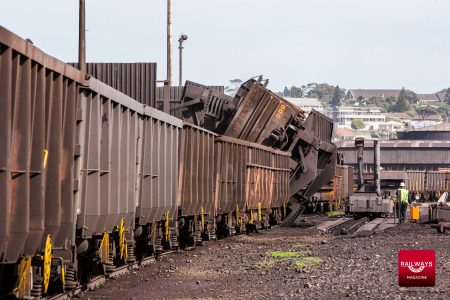
Rail disruption remained part of the operating picture. Tshipi used additional road capacity to support exports and respond to derailments and planned Transnet shutdowns, increasing road haulage costs during the period. Its multi-port export network allowed volumes to shift between rail and road in response to logistics conditions and market demand.

Ten-year allocation agreement

In September 2025, Tshipi entered into a ten-year Manganese Export Capacity Allocation Agreement, known as MECA3, with Transnet Freight Rail. Jupiter describes the agreement as part of a long-term public-private logistics framework between Transnet and manganese producers.

For Tshipi, it replaces the previous annual allocation process with a longer-term, demand-led model. Jupiter says this provides greater certainty over rail and port allocations and supports coordination across rail, road and port channels.

Tshipi also continued working with Transnet on rail capacity and tariff settings for KuGompo City, formerly East London. Discussions with transport providers continued to secure commercially feasible arrangements and access additional rail capacity as it becomes available.

Conveyor planning at the mine

Tshipi continued planning a conveyor initiative during FY26, including assessment of timing and implementation requirements. The proposed installation would reduce mobile rehandling between the crusher and train load-out station.

A FY24 conceptual study identified an estimated capital cost of approximately R34 million, operating cost savings of R2.83 per tonne of feed and a five-year payback period. These are study estimates; the annual report records continued planning during FY26.

Work also progressed on Tshipi’s long-term production rate, including a mine plan update and assessment of the operating and logistics requirements for higher output. Jupiter says the mine plan review is nearing completion and that any future increase in volumes will be timed to reflect manganese market conditions and available logistics capacity.

Related News Articles